Pet adoption South Florida communities continue to thrive thanks to dedicated rescue organizations working tirelessly to connect loving animals with caring families. Recent efforts by local shelters and rescue groups highlight the ongoing need for adoptive families and volunteers in the region, as countless dogs, cats, and other companion animals await their chance at a better life.
The pet adoption process in South Florida involves numerous animal welfare organizations, each playing a crucial role in rescuing, rehabilitating, and rehoming animals in need. These groups work around the clock to ensure that every animal receives proper care while waiting for their perfect match with a forever family.
How to Adopt a Shelter Dog: Understanding the Process
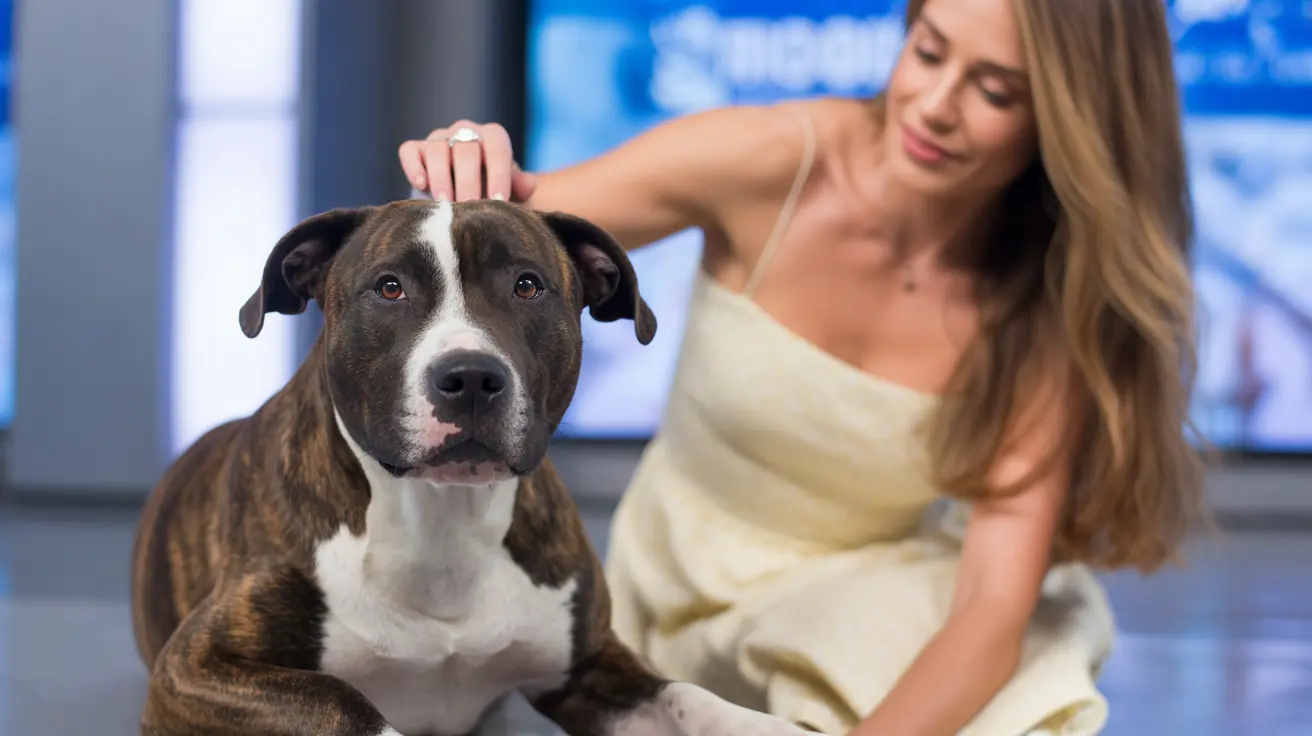
When considering how to adopt a shelter dog, potential pet parents should understand that the adoption process typically involves several important steps designed to ensure successful matches. Most reputable shelters begin with an initial application where prospective adopters provide information about their living situation, experience with pets, and lifestyle preferences.
Animal welfare organizations Florida-wide generally require meet-and-greet sessions between potential adopters and animals. This crucial step allows both parties to assess compatibility and helps shelter staff provide valuable insights about each animal's personality, energy level, and specific needs.
No-Kill Animal Shelters Making a Difference
No-kill animal shelters have revolutionized pet rescue efforts by committing to saving healthy and treatable animals rather than euthanizing due to space constraints. These facilities focus on comprehensive care, behavioral training, and extended stay periods to give every animal the best possible chance at finding a home.
The no-kill approach requires substantial community support through adoptions, fostering, volunteering, and donations. This model has proven effective in reducing overall euthanasia rates while improving the quality of life for shelter animals.
Supporting Organizations Like Furry Friends Adoption Clinic
Specialized facilities such as the Furry Friends Adoption Clinic focus on providing medical care and adoption services for animals in need. These clinics often combine veterinary services with adoption programs, ensuring that pets receive necessary health screenings, vaccinations, and spay/neuter procedures before placement.
Peggy Adams Animal Sanctuary: A Model for Comprehensive Care
Established rescue organizations like Peggy Adams Animal Sanctuary demonstrate how comprehensive animal welfare programs can make lasting impacts in their communities. These larger facilities typically offer multiple services including adoption programs, low-cost veterinary care, educational outreach, and emergency animal services.
Adopting Rescue Animals: What to Expect
Adopting rescue animals often means welcoming pets with diverse backgrounds and experiences. Many rescue animals come from challenging situations and may require additional patience, training, or veterinary care. However, rescue pets frequently form exceptionally strong bonds with their new families, often displaying remarkable gratitude and loyalty.
Shelter pet requirements vary by organization but commonly include proof of residence, veterinary references for current or previous pets, and agreement to return the animal to the shelter if rehoming becomes necessary.
Animal Rescue Volunteering and Foster Programs
Animal rescue volunteering provides invaluable support to overwhelmed shelters and rescue groups. Volunteers assist with daily care, socialization, transportation, fundraising, and administrative tasks that keep these organizations running effectively.
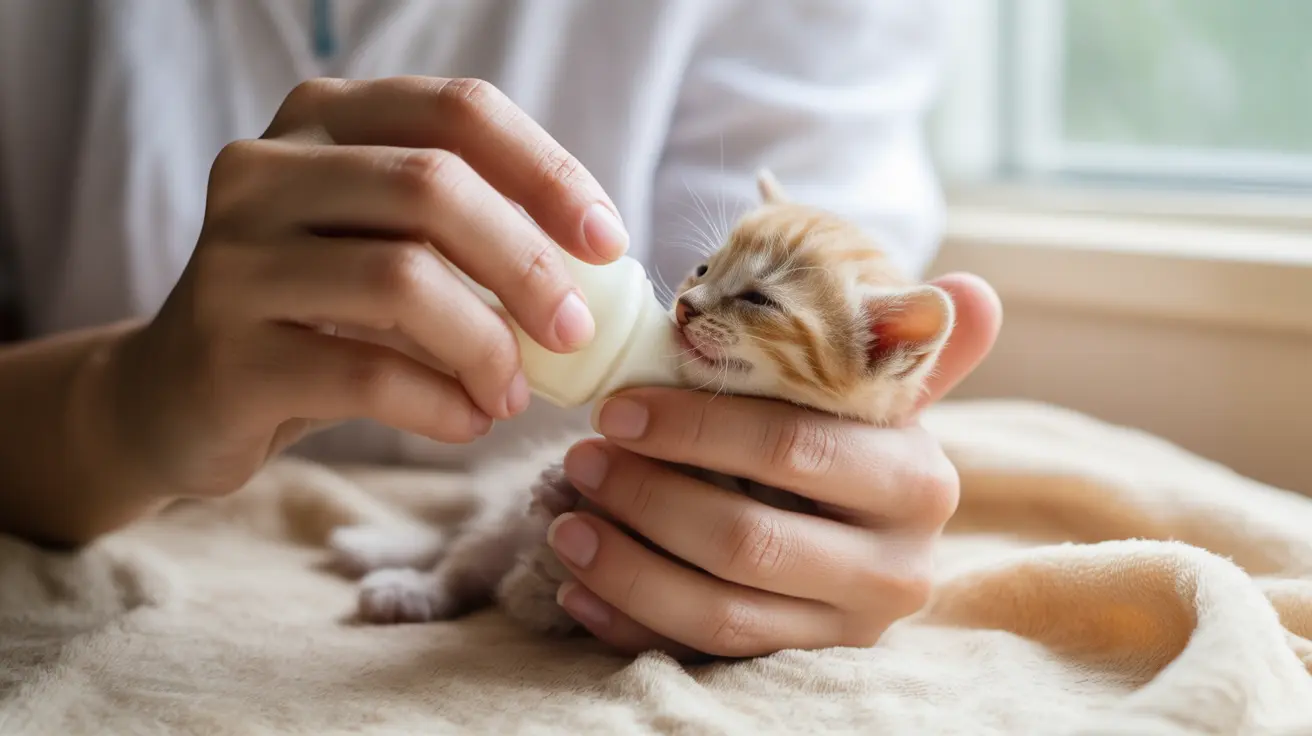
Foster programs for dogs and cats serve as crucial bridges between rescue and permanent placement. Foster families provide temporary homes where animals can recover from medical procedures, receive behavioral training, or simply experience family life while awaiting adoption.
Community Pet Rescue Initiatives
Community pet rescue initiatives extend beyond traditional shelter operations to include trap-neuter-return programs for feral cats, low-cost spay/neuter clinics, and educational programs about responsible pet ownership. These comprehensive approaches address root causes of pet overpopulation while supporting current animals in need.
Frequently Asked Questions
How do I adopt a pet from a shelter in South Florida?
Start by researching local shelters and rescue organizations, complete adoption applications, and schedule visits to meet available animals. Most facilities require reference checks and may conduct home visits before finalizing adoptions.
What is a no-kill shelter and why does it matter?
No-kill shelters commit to saving all healthy and treatable animals, only euthanizing in cases of severe medical or behavioral issues that cannot be addressed. This approach significantly reduces unnecessary animal deaths while promoting community involvement in pet rescue.
What should I expect during the pet adoption application process?
Expect to provide detailed information about your living situation, pet experience, and lifestyle. Many organizations require veterinary references, landlord approval if renting, and meetings with all household members before approval.
How can I help animals in need if I'm not ready to adopt?
Consider volunteering, fostering, donating supplies or funds, sharing adoptable animals on social media, or participating in fundraising events. Every contribution helps rescue organizations continue their vital work.
Why should I adopt from a shelter instead of buying from a breeder?
Shelter adoption saves lives while providing loving homes to animals in need. Shelter pets are typically spayed/neutered, vaccinated, and health-checked, making them excellent companions while supporting animal welfare efforts in your community.
Making a Difference Through Pet Adoption
Pet adoption South Florida efforts rely heavily on community support and engagement. Whether through adoption, volunteering, fostering, or simply spreading awareness, every action contributes to the life-saving work of local animal rescue organizations. Consider visiting your local shelter today to discover how you can help make a difference in an animal's life while potentially finding your own perfect companion.