
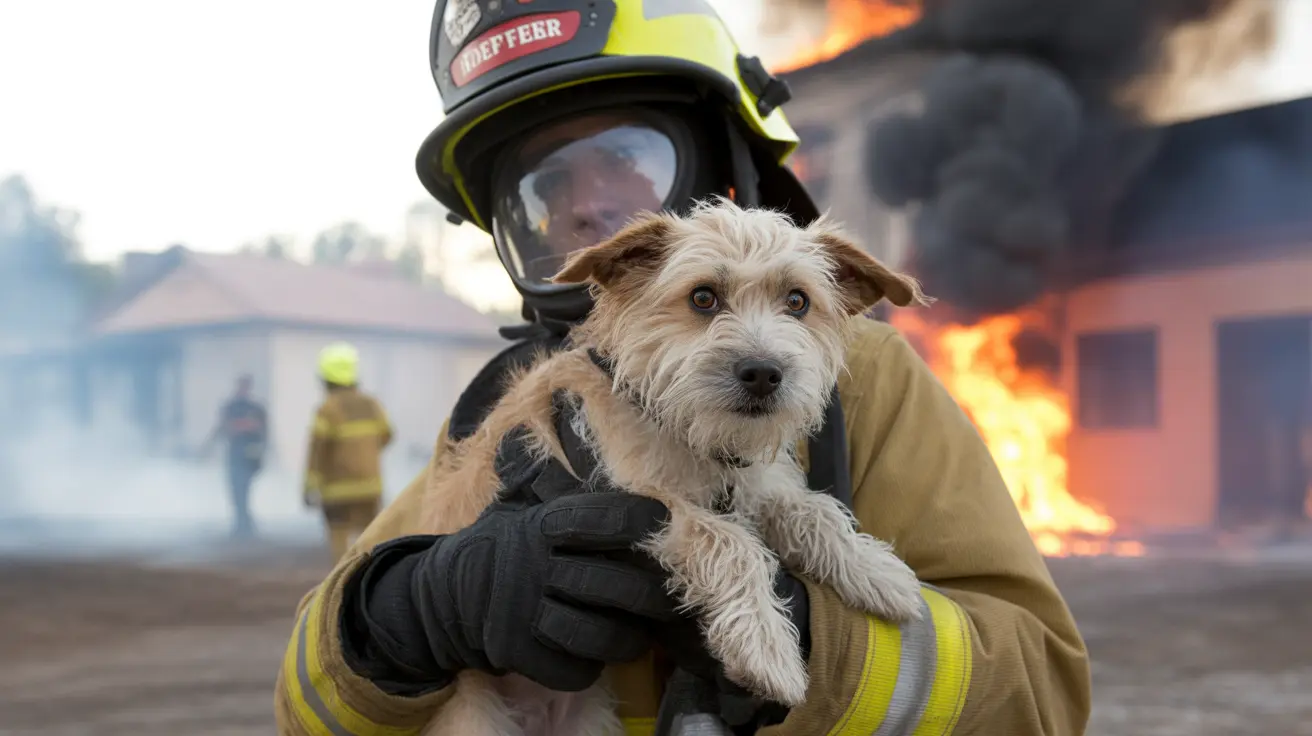
A devastating fire at a Fort Dodge duplex has left two families and several beloved pets displaced, serving as a stark reminder of how quickly residential emergencies can put our furry family members at risk. The incident underscores the critical importance of having a comprehensive pet fire evacuation plan in place, especially for pet parents living in multi-story homes or rental properties.
When fires strike during nighttime hours or in older buildings with complex layouts, evacuating pets becomes exponentially more challenging. This Fort Dodge emergency highlights why every pet owner needs to prepare for the unthinkable – because when seconds count, having a plan can mean the difference between safety and tragedy for your animals.
Understanding the Challenges of Pet Emergency Kit for Fires
Creating an effective pet emergency kit for fires requires careful consideration of your pets' specific needs and your home's layout. Unlike human evacuation supplies, pet emergency kits must account for animals that may hide during stressful situations or require special handling equipment.
Essential items for your pet emergency kit should include leashes, carriers, recent photos of your pets, vaccination records, medications, and a week's worth of food and water. Store these supplies in an easily accessible location near your primary exit route, and consider keeping backup kits in multiple areas of your home.
Evacuating Dogs from Upstairs: Strategic Planning for Multi-Story Homes
The Fort Dodge incident involved a duplex fire, highlighting the unique challenges of evacuating dogs from upstairs areas during emergencies. Multi-story homes present additional complications when pets need to be moved quickly and safely.
Practice evacuation routes with your dogs regularly, teaching them to respond to emergency commands. Consider installing pet doors or ramps that could provide alternative escape routes. For larger dogs that may panic or become difficult to handle, practice using blankets or towels to safely guide them to exits.
Establishing Multiple Escape Routes
Never rely on a single evacuation path. Identify at least two ways to exit from each level of your home with your pets. Consider window wells, external stairs, or other alternative routes that could be used if primary exits become blocked by smoke or flames.
Attic Electrical Fire Safety and Prevention
Electrical fires originating in attics pose particular dangers to pets, as they often go undetected until significant damage has occurred. These fires can spread rapidly through concealed spaces, cutting off escape routes before families realize the danger.
Regular electrical inspections, especially in older homes, can prevent many attic fires. Ensure all electrical work is performed by licensed professionals, and never ignore signs of electrical problems like flickering lights, burning odors, or frequently tripping circuit breakers.
Renters Fire Safety for Pets: Special Considerations
Renters face unique challenges in preparing for pet fire evacuation, as they may have limited ability to modify their living spaces or install permanent safety equipment. However, this doesn't mean you can't take effective precautions.
Focus on portable safety solutions like battery-operated smoke detectors, escape ladders for upper floors, and maintaining clear communication with landlords about pet safety concerns. Document your pets' presence with property managers to ensure emergency responders are aware animals may be present during emergencies.
Winter Fire Response Pets: Cold Weather Considerations
Winter fires present additional challenges for pet safety, as displaced animals face immediate exposure to harsh weather conditions. The Fort Dodge incident occurred during winter months, when sub-freezing temperatures make temporary shelter arrangements even more critical.
Prepare cold-weather supplies for your pets, including blankets, booties, and weather-resistant carriers. Identify pet-friendly emergency shelters or boarding facilities that could accommodate your animals during winter emergencies.
What to Do if Pet Rescued by Firefighters
If firefighters rescue your pets during an emergency, immediate veterinary evaluation is essential, even if animals appear uninjured. Smoke inhalation and stress can cause delayed health problems that aren't immediately visible.
Work with emergency responders to ensure your pets receive appropriate care and temporary housing. Many communities have emergency assistance programs specifically designed to help displaced families care for their animals during crisis situations.
Frequently Asked Questions
How can I quickly evacuate my dogs from a two-story home during a nighttime attic fire?
Practice nighttime evacuation drills with your dogs, keep leashes and carriers readily accessible near bedrooms, establish multiple escape routes from upper floors, and teach your dogs to respond to emergency commands. Consider installing battery-powered emergency lighting to help navigate in low-visibility conditions.
What should I include in a pet emergency "grab-and-go" kit for sudden residential fire evacuations in winter?
Include weather-resistant carriers, warm blankets, a week's supply of food and water, medications, vaccination records, leashes, recent photos, emergency contact information for veterinarians, and cold-weather protection like booties or coats for pets sensitive to temperature.
How can renters in older duplexes reduce the risk of electrical fires that trap pets in attics or basements?
Report any electrical issues to landlords immediately, avoid overloading outlets, use surge protectors, never leave space heaters unattended, keep pets away from electrical panels or exposed wiring, and install battery-operated smoke detectors in areas where pets spend time.
The Fort Dodge duplex fire serves as a powerful reminder that disaster preparedness must include our four-legged family members. By developing comprehensive evacuation plans, maintaining emergency supplies, and practicing safety procedures, pet owners can significantly improve their chances of keeping their animals safe during residential fires. Remember, the few minutes spent preparing today could save precious lives tomorrow.




