
Understanding the Importance of Pet Travel Preparation
Before embarking on any trip with your pet, thorough preparation is essential. This involves not only physical preparations but also helping your pet mentally adjust to the upcoming changes in routine. Many pets experience anxiety when their normal environment and schedule are disrupted, making advance planning crucial for their wellbeing.
The key to successful pet travel lies in understanding that animals, unlike humans, cannot anticipate or prepare themselves mentally for upcoming changes. As responsible pet parents, we must take extra steps to ensure their comfort and safety throughout the entire journey.
Dog Car Travel Tips for Safe Journeys
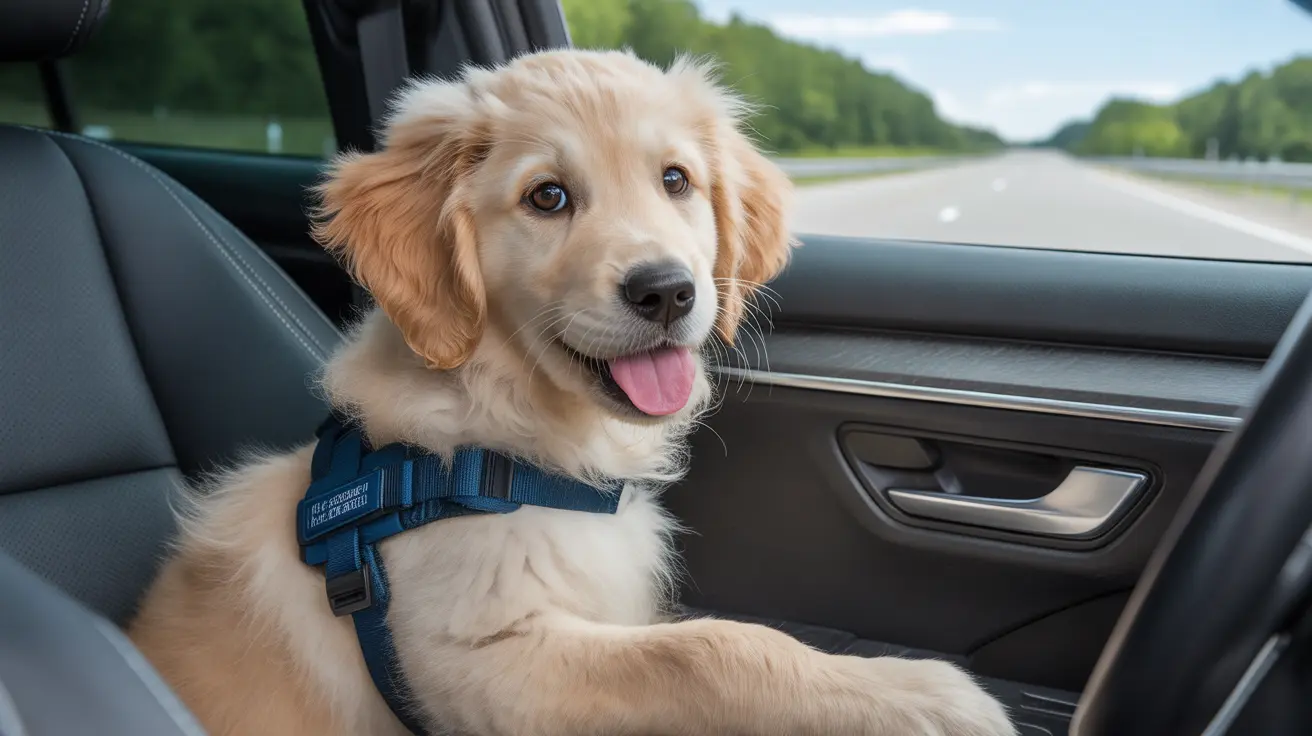
When traveling by car with your canine companion, safety should always be the top priority. Proper restraints are essential - an unrestrained dog can become a dangerous projectile in the event of sudden stops or accidents. Consider using a crash-tested harness, pet seat belt, or travel crate secured in the vehicle.
Temperature control is equally important during car travel. Never leave your pet unattended in a vehicle, as temperatures can rise or fall to dangerous levels quickly. Ensure adequate ventilation and consider using window shades to protect your pet from direct sunlight.
Planning Your Pet Travel Checklist
A comprehensive pet travel checklist should include essential documents such as vaccination records, health certificates, and identification tags with updated contact information. Pack familiar items like your pet's favorite blanket, toys, and regular food to help maintain some sense of normalcy during the trip.
Don't forget to include a first aid kit specifically designed for pets, containing items like bandages, antiseptic wipes, and any medications your pet regularly takes. Research veterinary clinics along your route in case of emergencies.
Acclimating Pets to Carriers and New Environments
For pets who will be traveling in carriers, whether by car or plane, gradual acclimation is crucial. Start introducing the carrier weeks before your trip, allowing your pet to explore and become comfortable with it in familiar surroundings. Place treats, meals, or favorite toys inside the carrier to create positive associations.
Air travel with dogs requires additional considerations, including airline-specific requirements for carrier sizes, health documentation, and advance booking procedures. Contact your airline well in advance to understand their policies and make necessary arrangements.
The Role of Pet Sitters as an Alternative
Sometimes, the best decision for your pet's wellbeing might be leaving them in familiar surroundings with a trusted pet sitter. Professional pet sitters can maintain your pet's regular routine, provide companionship, and offer peace of mind knowing your pet is in capable hands.
When choosing between travel and pet sitting services, consider your pet's personality, age, health status, and stress tolerance. Some pets thrive on new adventures, while others prefer the comfort and security of their home environment.
Frequently Asked Questions
How do I acclimate my dog to car travel before a long road trip?
Start with short trips around the neighborhood, gradually increasing the duration. Use positive reinforcement by offering treats and praise during car rides. Allow your dog to explore the stationary vehicle before driving, and consider using calming aids like pheromone sprays if your pet shows signs of anxiety.
What safety restraints should I use for my pet during car rides to prevent injuries?
Choose crash-tested pet harnesses, pet seat belts, or secured travel crates appropriate for your pet's size. Avoid letting pets ride loose in the car or in your lap while driving. The back seat is typically the safest location for pet restraints.
What essential items do I need to pack for pet travel by car or plane?
Pack your pet's regular food, water and food bowls, leash and collar with ID tags, vaccination records, medications, comfort items like blankets or toys, waste bags, and a pet first aid kit. For air travel, also include airline-approved carriers and any required health documentation.
Making Travel Decisions That Benefit Everyone
Successful pet travel ultimately comes down to understanding your individual pet's needs and limitations. Whether you choose to bring your pet along or arrange for quality care at home, the decision should prioritize your pet's comfort, safety, and wellbeing above all else.
Remember that every pet is unique, and what works for one animal may not work for another. Take time to assess your pet's travel readiness and make informed decisions that will result in positive experiences for both you and your beloved companion.




