
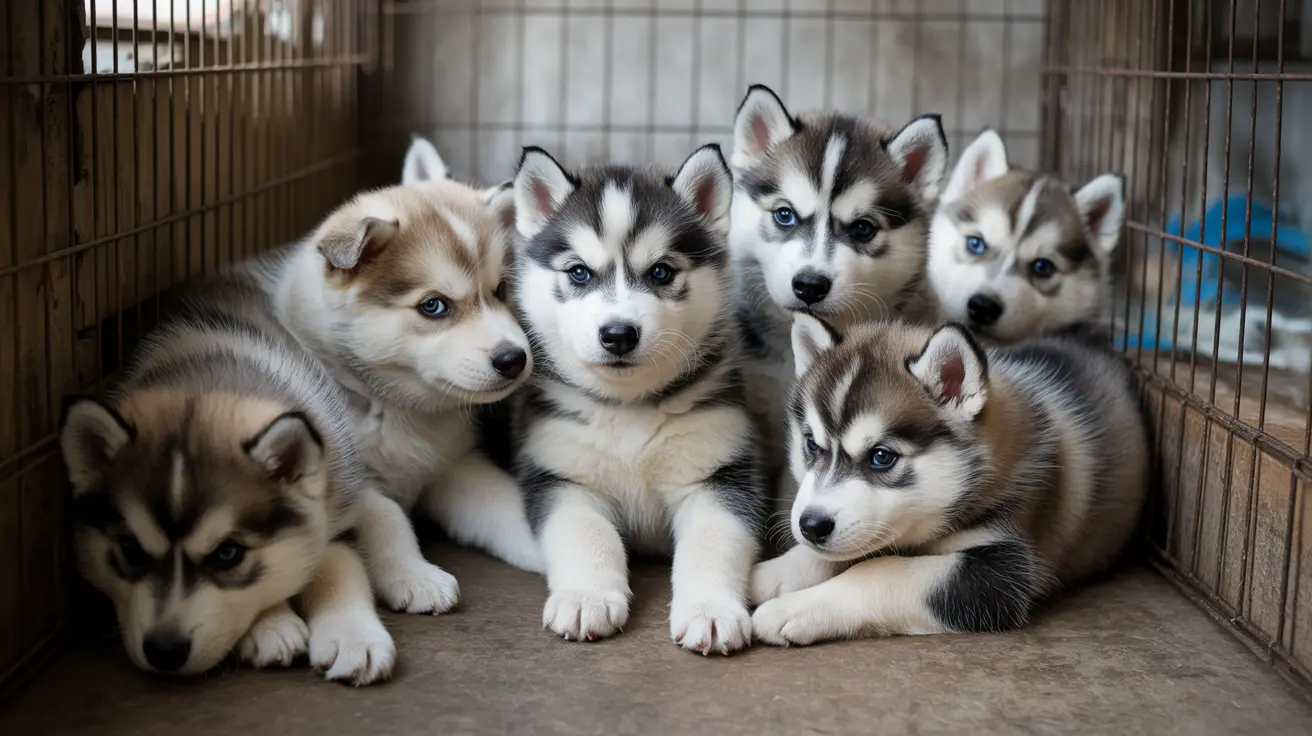
Understanding Puppy Mill Conditions and Red Flags
Puppy mills are commercial breeding facilities that prioritize profit over animal welfare, often resulting in severe neglect and poor living conditions. The DeSoto County case exemplifies many concerning practices commonly found in these operations, including inadequate food and water provision and fraudulent documentation.
Responsible pet ownership begins with understanding dog breeder red flags. Warning signs include reluctance to allow facility visits, inability to provide proper health documentation, multiple breeds available at once, and animals that appear malnourished or fearful. Legitimate breeders welcome questions and facility tours, maintain clean environments, and provide comprehensive health records.
How to Report Animal Cruelty
When suspected animal neglect or cruelty is discovered, prompt reporting can save lives. In Florida, animal welfare laws provide multiple avenues for reporting concerns. Contact local animal control agencies, law enforcement, or organizations like the ASPCA's cruelty hotline. Document observations with photos or videos when possible, and provide detailed information about the location and conditions witnessed.
Buying from Ethical Breeders: A Comprehensive Approach
Selecting a reputable breeder requires careful research and patience. A reputable dog breeder checklist should include verification of health testing, meeting parent animals, reviewing breeding contracts, and confirming proper veterinary care. Ethical breeders conduct genetic health testing, socialize puppies properly, and maintain relationships with buyers throughout the dog's life.
Forged Veterinary Certificates and Health Documentation
The DeSoto County case involved forged veterinary certificates, highlighting the importance of verifying health documentation. Legitimate health certificates include veterinarian contact information, official letterhead, and specific details about vaccinations and health examinations. Always contact the veterinary office directly to confirm certificate authenticity when purchasing a puppy.
Puppy Health Problems from Mills and Prevention
Puppy mill rescue animals and those from unethical breeding operations often face significant health challenges. Common issues include genetic disorders, behavioral problems from poor socialization, and infectious diseases from unsanitary conditions. These problems can result in expensive veterinary bills and emotional distress for families.
Preventing these issues starts with responsible breeding practices and careful breeder selection. Ethical breeders health test parent animals, provide proper prenatal and puppy care, and offer health guarantees. They also limit breeding frequency and retire breeding animals appropriately.
Breeder Facility Inspection Guidelines
When visiting potential breeders, conduct thorough facility inspections. Look for clean, spacious living areas, healthy-appearing animals, and proper food and water access. Animals should appear well-socialized and comfortable with human interaction. Refuse to purchase from facilities that won't allow complete tours or seem to hide areas of their operation.
Florida Animal Welfare Laws and Enforcement
Florida maintains comprehensive animal welfare laws designed to protect animals from neglect and cruelty. These regulations cover proper housing, nutrition, veterinary care, and breeding practices. Violations can result in criminal charges, as demonstrated in the DeSoto County case, where the breeder faces jail time for her actions.
Understanding these laws helps consumers make informed decisions and recognize when breeders operate outside legal requirements. Florida requires commercial breeding facilities to maintain licenses and submit to inspections, providing additional protection for animals and consumers.
Frequently Asked Questions
How can I tell if a dog breeder is running a puppy mill or operating unethically?
Look for red flags including reluctance to show the breeding facility, inability to provide health documentation, multiple litters available simultaneously, and animals that appear malnourished or fearful. Ethical breeders welcome facility visits, provide comprehensive health records, and maintain ongoing relationships with puppy buyers.
What should I do if I suspect animal neglect or cruelty at a local breeding facility?
Report suspected neglect immediately to local animal control, law enforcement, or the ASPCA cruelty hotline. Document your observations with photos when possible and provide detailed location and condition information. Prompt reporting can prevent further suffering and help authorities investigate potential violations.
What are the health risks of buying a puppy from an irresponsible breeder or puppy mill?
Puppies from unethical operations often face genetic disorders, behavioral problems from poor socialization, and infectious diseases. These issues can result in expensive veterinary care and emotional distress. Choose reputable breeders who conduct health testing and provide proper care to minimize these risks.
Conclusion
The DeSoto County animal neglect case demonstrates the ongoing need for vigilance when selecting dog breeders. By understanding puppy mill signs, verifying health documentation, and supporting ethical breeding practices, pet parents can help combat animal cruelty while ensuring healthy, well-adjusted companions for their families.
Remember that choosing a reputable breeder requires patience and research, but the investment protects both animals and families from the devastating consequences of supporting unethical operations. Share this information with fellow pet lovers to help create a safer environment for all animals.




