
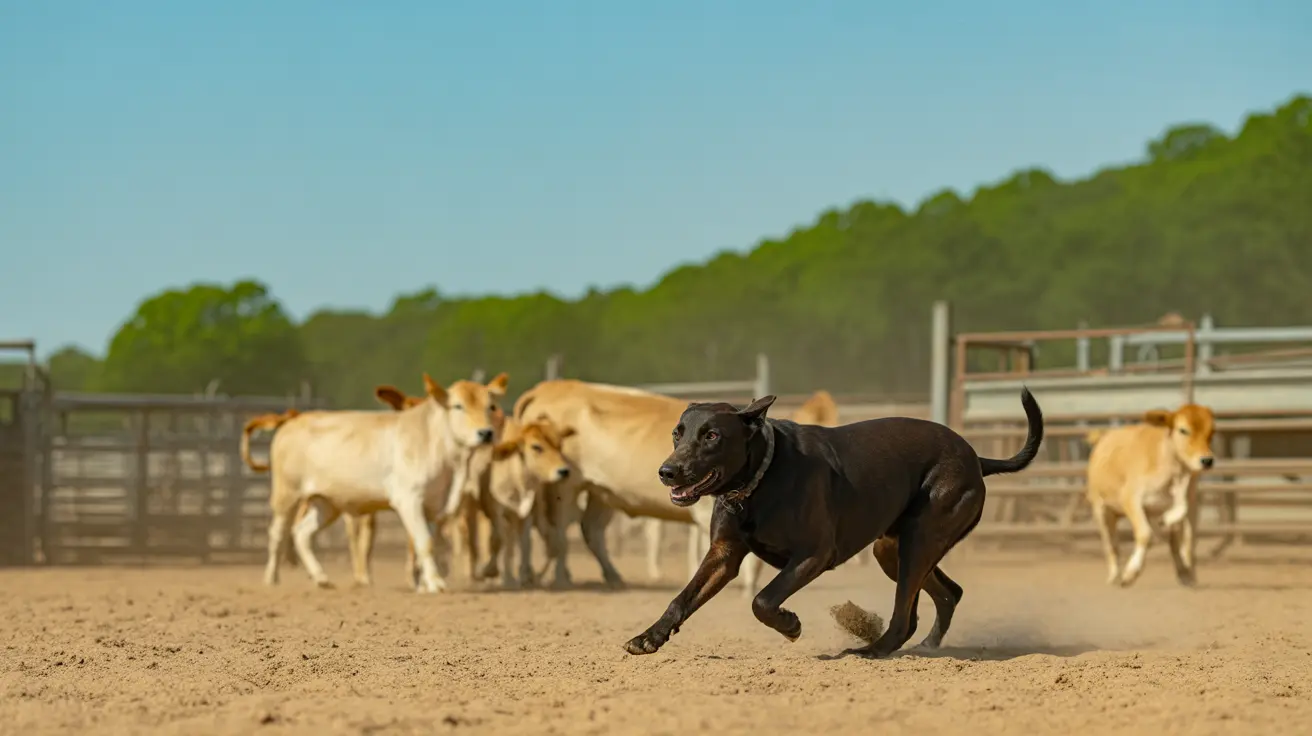
Queen Creek, Arizona has made a significant change that will benefit pet owners and hobby farmers throughout the community. In a move that honors the town's agricultural heritage, Queen Creek has revised its agricultural animals ordinance to remove the previous limit on the number of farm animals allowed on properties of 1 acre or larger. This change, approved at the April 15 town meeting, represents a major shift toward more flexible livestock regulations for residential property owners.
The ordinance update affects thousands of Queen Creek residents who own larger properties and have been interested in keeping horses, goats, chickens, and other agricultural animals. Previously, property owners faced strict numerical limitations that often prevented them from pursuing their farming dreams or expanding their existing agricultural operations on residential lots.
Understanding Queen Creek's New Agricultural Animal Ordinance
The revised ordinance eliminates the cap that previously restricted how many farm animals residents could keep on their 1-acre properties. This change aligns Queen Creek with its rural character and acknowledges the growing interest in backyard farming and self-sufficiency among residents. Property owners can now make decisions about their agricultural animals based on space, resources, and proper animal welfare rather than arbitrary numerical limits.
However, removing the numerical limit doesn't mean eliminating all regulations. The ordinance still maintains important provisions regarding animal welfare, property setbacks, and community standards to ensure that increased agricultural activity doesn't negatively impact neighbors or compromise animal health.
Setback Requirements and Property Standards
While Queen Creek has relaxed numerical restrictions, chicken coops setback requirements and other spatial regulations remain in place. These setback requirements ensure that animal housing structures maintain appropriate distances from property lines and neighboring homes. Proper setbacks help minimize potential conflicts with neighbors while providing adequate space for animals to thrive.
Property owners planning to increase their agricultural animals should carefully review current setback regulations before constructing new enclosures or expanding existing facilities. Meeting these requirements from the start prevents costly modifications later and helps maintain positive community relationships.
Agricultural Animal Welfare Regulations
Queen Creek's updated ordinance continues to emphasize proper animal care and welfare standards. Property owners must provide adequate shelter, nutrition, veterinary care, and living conditions for all agricultural animals on their property. These agricultural animal welfare regulations ensure that the increased flexibility doesn't come at the expense of animal health and safety.
Responsible animal husbandry practices include providing clean water sources, appropriate feeding schedules, secure fencing, and protection from predators and extreme weather. Property owners should research specific care requirements for different species before adding new animals to their property.
Comparing Queen Creek's Approach to Neighboring Communities
This ordinance change sets Queen Creek apart from some neighboring communities that maintain stricter livestock regulations. While specific comparisons weren't detailed in the announcement, many Arizona municipalities have varying approaches to agricultural animals on residential properties. Some maintain numerical caps, while others focus primarily on property size requirements and welfare standards.
Queen Creek's decision to prioritize property size and animal welfare over numerical limits reflects a more flexible approach that recognizes individual property owners' capabilities and interests in agricultural pursuits.
Planning Your Agricultural Property Setup
Property owners interested in taking advantage of the revised ordinance should start with careful planning. Consider factors such as available space, water access, existing structures, and long-term maintenance requirements. Different agricultural animals have varying space, shelter, and care needs that must be met regardless of numerical limits.
Consulting with local agricultural extension services, veterinarians, and experienced animal keepers can provide valuable guidance for new agricultural property owners. Proper planning ensures both animal welfare and compliance with remaining ordinance requirements.
Frequently Asked Questions
Can I keep more than six farm animals on my 1-acre property in Queen Creek, Arizona?
Yes, Queen Creek has removed the numerical limits on agricultural animals for properties of 1 acre or larger. You can now keep as many farm animals as you can properly care for while meeting setback requirements and animal welfare standards.
What are the setback requirements for keeping horses, goats, and chickens on residential property in Queen Creek?
While specific setback distances weren't detailed in the ordinance announcement, Queen Creek maintains setback requirements for animal housing structures. Property owners should contact the town's planning department for current setback specifications for different types of agricultural animals and structures.
What welfare and care standards must I meet for agricultural animals on my Queen Creek property?
Queen Creek requires property owners to provide adequate shelter, nutrition, veterinary care, and appropriate living conditions for all agricultural animals. This includes clean water access, proper feeding, secure enclosures, and protection from predators and weather extremes.
Conclusion
Queen Creek's revised agricultural animals ordinance represents a positive step toward supporting residents' agricultural interests while maintaining community standards. Property owners now have greater flexibility to pursue hobby farming, expand existing operations, or simply enjoy the benefits of keeping farm animals on their larger residential lots.
This change reflects Queen Creek's commitment to balancing growth with its agricultural heritage, providing residents with opportunities to engage in sustainable, self-sufficient lifestyles while ensuring proper animal welfare and community compatibility.




