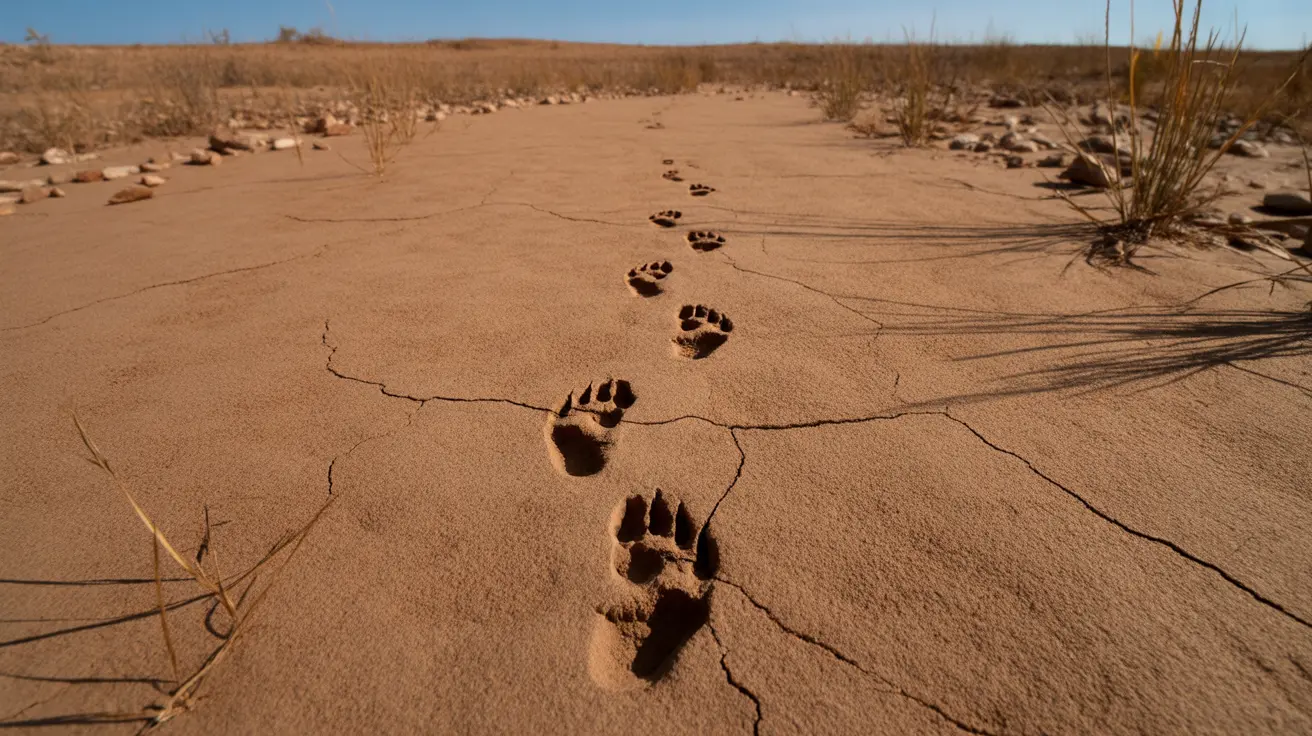
For pet owners who enjoy outdoor adventures with their dogs or simply want to understand wildlife activity around their property, learning to read animal tracks and signs is an invaluable skill. Whether you're hiking with your canine companion or monitoring wildlife near your home, understanding animal patterns and densities by reading the signs they leave behind can help you make informed decisions about where it's safe to walk your pets and what wildlife might be active in your area.
Reading animal signs isn't just about footprints in the mud—it's about understanding the complete story that wildlife tells through their daily activities. Fresh tracks, scat, rubs, scrapes, and travel patterns all provide crucial information about animal behavior and movement that can help pet owners stay prepared and aware during outdoor activities.
Understanding Fresh Tracks vs Old Tracks
The ability to distinguish between fresh and old animal tracks is fundamental to understanding current wildlife activity. Fresh tracks typically show crisp, well-defined edges with clear details like toe pads and claw marks. The substrate around fresh tracks often appears disturbed, with displaced dirt, leaves, or snow showing recent disturbance.
Old tracks, conversely, display weathered edges, filled-in details, and often contain debris like leaves or dirt that have blown into the impression. Weather conditions significantly affect track aging—rain can wash away tracks within hours, while dry, protected areas may preserve tracks for days or weeks.
Coyote Tracks Identification and Safety Considerations
For pet owners, identifying coyote tracks is particularly important for safety. Coyote tracks typically measure 2.5 to 3.5 inches long and show four toe pads with visible claw marks. The tracks have an oval shape with the front two toes extending noticeably beyond the rear two toes.
Coyote tracks often follow straight lines along game trails, roads, or fence lines, reflecting their efficient travel patterns. If you discover fresh coyote tracks near areas where you walk your pets, consider adjusting your routes or timing, especially during dawn and dusk when coyotes are most active.
Bobcat Tracks and Territorial Behavior
Bobcat tracks present different challenges for pet safety. These tracks are typically 2 to 2.5 inches long, showing four toes without visible claw marks (as cats retract their claws while walking). Bobcat tracks appear more rounded than coyote tracks and often show asymmetrical toe arrangements.
Bobcats are territorial animals, and their tracks often appear along ridge lines, fallen logs, or property boundaries. Understanding bobcat movement patterns helps pet owners avoid areas where encounters might be more likely, particularly important for owners of small dogs and cats.
Animal Scat Analysis for Behavioral Insights
Animal scat provides valuable information about diet, health, and recent activity patterns. Coyote scat often contains fur, bones, and berry seeds, appearing twisted with tapered ends. Deer scat appears as small, oval pellets clustered together, indicating herbivorous feeding patterns.
Fresh scat indicates very recent animal activity, while weathered scat suggests older presence. Pet owners can use this information to gauge how recently wildlife has been active in specific areas, helping them make informed decisions about pet exercise locations.
Reading Deer Rubs Scrapes and Territorial Markers
Deer rubs and scrapes tell important stories about buck activity and territorial behavior. Fresh rubs show bright, exposed wood where bucks have rubbed their antlers against trees. Active scrapes appear as cleared ground areas with overhanging branches that deer have worked with their antlers and scent glands.
These signs indicate high deer activity areas, which may also attract predators. Pet owners should be aware that areas with numerous deer signs might also show increased predator activity, as predators often follow prey animals.
Game Trails Hunting and Movement Patterns
Well-established game trails reveal primary wildlife movement corridors. These trails show compressed vegetation, disturbed soil, and often contain various animal tracks and signs. Understanding these natural highways helps pet owners predict where wildlife encounters are most likely.
When hiking with pets, crossing game trails requires extra vigilance. Consider keeping dogs on leashes near active game trails, especially during peak wildlife activity periods.
Frequently Asked Questions
How can you tell if animal tracks are fresh for hunting?
Fresh animal tracks display crisp, well-defined edges with clear details like individual toe pads and claw marks. The surrounding substrate appears recently disturbed, and tracks often contain moisture if conditions are dry. Weather conditions affect aging—tracks in protected areas last longer than those exposed to rain or wind.
What do deer rubs and scrapes tell hunters about buck activity?
Fresh deer rubs show bright, recently exposed wood and indicate current territorial marking behavior. Active scrapes feature cleared ground with worked overhead branches, suggesting regular buck visits. These signs typically intensify during breeding season and indicate high-traffic deer areas.
How do you identify coyote tracks versus bobcat tracks in the field?
Coyote tracks are larger (2.5-3.5 inches) with visible claw marks and an oval shape with front toes extending beyond rear toes. Bobcat tracks are smaller (2-2.5 inches), rounder, show four toes without claw marks, and display asymmetrical toe arrangements. Coyote tracks often follow straight travel lines, while bobcat tracks may appear more randomly distributed.
What does animal scat reveal about diet and recent movement patterns?
Animal scat composition indicates diet—predator scat contains fur and bones, while herbivore scat shows plant material. Fresh scat indicates very recent activity, while weathered scat suggests older presence. Scat location and frequency reveal travel routes and territorial boundaries.
How does reading game trails and bedding areas improve hunting success?
Game trails reveal primary wildlife movement corridors and feeding patterns. Bedding areas show where animals rest and feel secure. Understanding these patterns helps predict animal behavior, optimal timing, and strategic positioning for successful wildlife observation or hunting activities.