
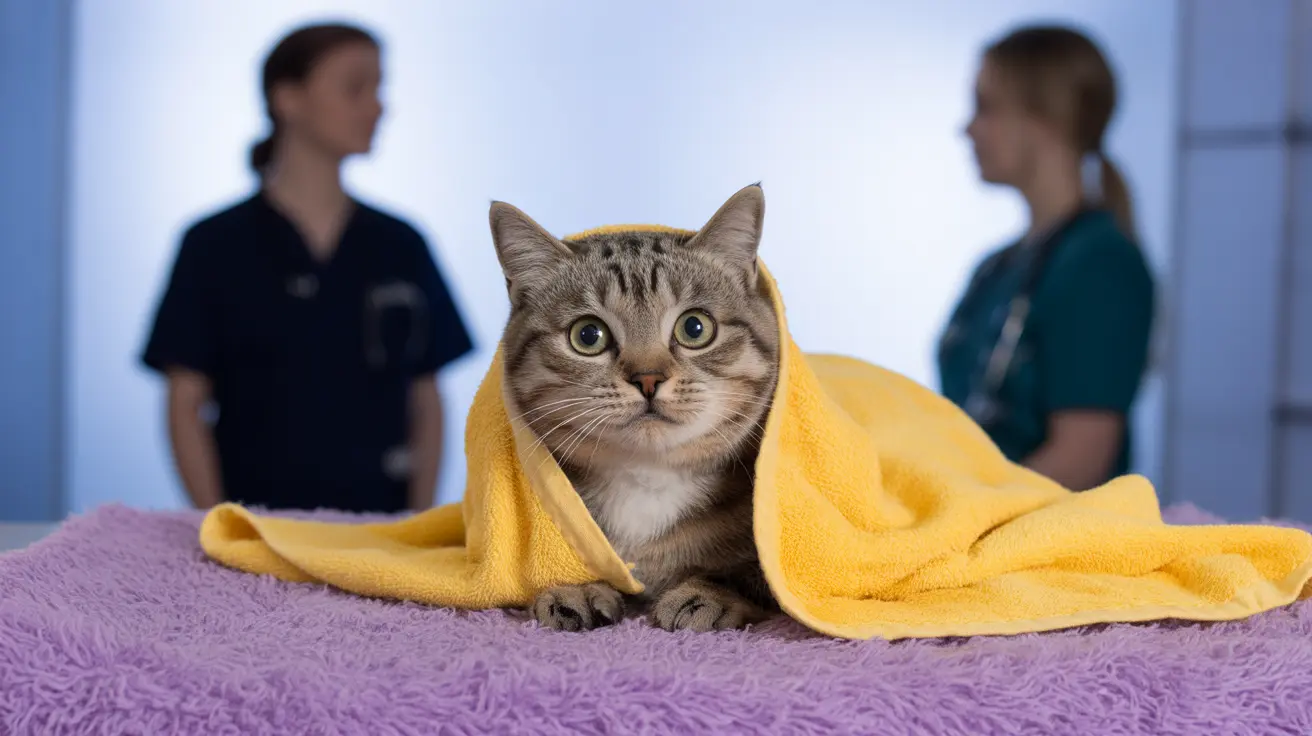
Nearly 100 cats were recently rescued from an apartment in Woonsocket, Rhode Island, in what has become one of the largest animal hoarding cases in the area's recent history. The massive rescue operation has prompted local veterinarians and animal welfare advocates to raise awareness about animal hoarding signs and the critical need for responsible pet ownership in preventing such tragic situations.
The cat hoarding rescue has overwhelmed local animal shelters and rescue organizations, highlighting the broader challenges communities face when dealing with large-scale animal welfare crises. Veterinary professionals involved in the case are using this moment to educate pet owners about recognizing warning signs and taking preventive action before situations spiral out of control.
Understanding Animal Hoarding and Its Impact
Animal hoarding is a complex condition that affects thousands of animals across the United States each year. Unlike responsible pet ownership, hoarding involves keeping an excessive number of animals in conditions that compromise their health, safety, and well-being. The Woonsocket case demonstrates how quickly these situations can escalate, leaving both animals and humans in dangerous living conditions.
When veterinarians encounter cases like this cat rescue operation, they often find animals suffering from malnutrition, untreated medical conditions, and severe behavioral issues resulting from overcrowded environments. The rescued cats from Woonsocket will require extensive medical care, rehabilitation, and socialization before they can be considered ready for adoption.
Recognizing Animal Hoarding Signs in Your Community
Understanding animal hoarding symptoms can help community members identify potential problems before they reach crisis levels. Common warning signs include overwhelming odors from a residence, numerous animals visible in windows or yards, and property owners who seem overwhelmed or defensive about their animals.
Other animal hoarder behavior patterns include reluctance to allow others into their homes, declining personal hygiene or property maintenance, and making excuses about the number of animals they possess. Neighbors might notice an unusual number of animals coming and going, or animals that appear unhealthy or unfed.
How to Report Animal Hoarding Responsibly
If you suspect animal hoarding in your neighborhood, knowing how to report animal hoarding properly can make the difference between a successful intervention and a worsened situation. Contact your local animal control office or animal welfare organization with specific, factual observations rather than assumptions or rumors.
Document what you observe, including dates, times, and specific conditions you notice. This information helps authorities prioritize cases and develop appropriate response strategies. Remember that animal cruelty investigation procedures require evidence and careful handling to ensure both animal safety and legal compliance.
Supporting Animal Welfare Organizations During Crisis
The aftermath of large animal rescue operations like the Woonsocket cat rescue places enormous strain on overcrowded animal shelter systems. Local rescue organizations often need immediate support in the form of donations, volunteer time, and temporary foster homes for displaced animals.
Community members can help by providing supplies such as cat food, litter, blankets, and cleaning materials. Many shelters also need volunteers to help with daily care tasks, allowing staff to focus on medical treatment and behavioral rehabilitation for rescued animals.
The Path to Recovery and Adoption
Cat adoption from shelter environments requires patience and understanding, especially for animals rescued from hoarding situations. These cats often need weeks or months of medical treatment and behavioral support before they're ready for new homes. Potential adopters should be prepared for animals that may have trust issues, medical conditions, or socialization challenges.
Working with reputable animal welfare organizations ensures that adoption processes prioritize both animal well-being and successful long-term placements. Many rescued cats go on to live healthy, happy lives with families who understand their special needs.
Mental Health Aspects and Community Support
Animal hoarding mental health connections remind us that these situations often involve people who need compassionate intervention rather than judgment. Hoarding disorder in pets frequently stems from underlying mental health conditions, trauma, or social isolation that requires professional support.
Communities can help prevent future hoarding situations by supporting mental health resources, senior citizen services, and programs that help isolated individuals maintain appropriate pet care standards.
Frequently Asked Questions
What are the warning signs that someone is hoarding animals?
Warning signs include strong odors from a residence, numerous animals visible in poor conditions, property deterioration, and defensive behavior from owners when asked about their animals. Other indicators include animals that appear malnourished or untreated medical conditions.
How can I report suspected animal hoarding in my neighborhood?
Contact your local animal control office or SPCA with specific observations, including dates and documented conditions. Provide factual information rather than assumptions, and be prepared to potentially testify if the case requires legal intervention.
What happens to cats rescued from hoarding situations?
Rescued cats typically receive immediate medical evaluation and treatment, followed by behavioral assessment and rehabilitation. Many require weeks or months of care before becoming available for adoption, and some may need specialized homes due to ongoing medical or behavioral needs.
Moving Forward Together
The Woonsocket cat rescue serves as a powerful reminder that preventing animal hoarding requires community awareness, compassion, and action. By understanding the warning signs, supporting local animal welfare organizations, and promoting responsible pet ownership, communities can work together to prevent future tragedies and ensure better outcomes for vulnerable animals.
Every rescued animal represents both a tragedy and an opportunity—a chance for communities to come together, support those in need, and create systems that protect both animals and the people who care for them.




