
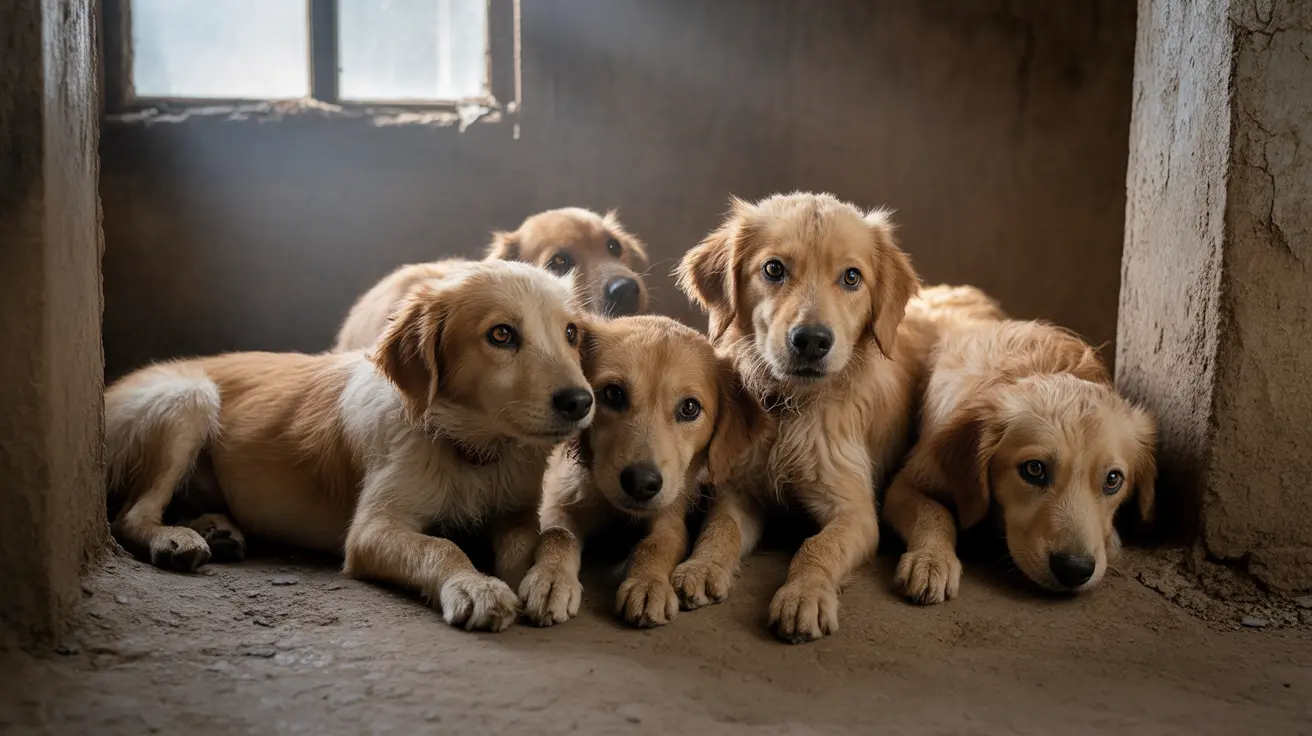
A shocking photograph depicting severely emaciated dogs from Romanian kill shelters has forced an animal charity to publicly defend its authenticity after widespread skepticism from social media users who believed the image was AI-generated. The disturbing reality behind this image highlights both the harsh conditions facing stray dogs in Romania and the growing challenge of distinguishing real animal welfare documentation from artificial intelligence creations.
Let's Adopt charity, led by Sarah Jayne Boler, found itself in the unusual position of having to prove that their rescue documentation was genuine rather than digitally fabricated. The organization, which specializes in rescuing dogs from kill shelters and rehoming them in the UK, shared the image to raise awareness about the urgent need for intervention in Romanian dog shelters.
This incident reveals a troubling trend where the proliferation of AI-generated content has made people increasingly skeptical of authentic animal welfare documentation, potentially undermining legitimate rescue efforts and public awareness campaigns.
The Reality of Kill Shelter Conditions
The photograph in question captured the severe malnutrition and neglect that characterizes many Romanian dog kill shelters. These facilities often operate with minimal resources and overwhelming animal populations, creating conditions where dogs suffer from starvation, disease, and inadequate care before facing euthanasia.
Romanian dog euthanasia practices have long been a concern among international animal welfare organizations. The country's approach to managing stray dog populations through kill shelters has created a humanitarian crisis that rescue organizations like Let's Adopt work tirelessly to address through rescue and rehoming programs.
Challenges in Animal Welfare AI Skepticism
The rise of sophisticated AI image generation has created an unexpected obstacle for animal welfare advocates. When genuine documentation of animal suffering appears too extreme or disturbing, viewers increasingly assume the content must be artificially created rather than accepting the harsh reality of animal abuse and neglect.
This phenomenon represents a concerning development in how the public processes and responds to animal welfare crises. The ability to easily dismiss authentic evidence as "fake" or AI-generated can reduce public engagement with legitimate rescue efforts and diminish support for animals in genuine need.
Verify Rescue Photos Authenticity
For pet owners and animal lovers seeking to support legitimate rescue efforts, developing skills to verify the authenticity of animal welfare documentation becomes increasingly important. Reputable organizations typically provide multiple forms of evidence including:
- Documentation from multiple sources and timestamps
- Veterinary records and treatment plans
- Follow-up photos showing recovery progress
- Transparent information about their rescue operations and partnerships with local authorities
When evaluating rescue organizations, look for established track records, verifiable contact information, and clear documentation of their work rather than relying solely on emotional responses to individual images.
Dogs From Kill Shelters UK Integration
Organizations like Let's Adopt play a crucial role in connecting rescue dogs Romania with loving families in the UK. This international rescue network helps address overpopulation in Romanian shelters while providing British families with opportunities to adopt grateful, resilient pets.
The integration process typically involves extensive health screening, behavioral assessment, and gradual adaptation programs to help formerly neglected animals adjust to life in loving homes. Many dogs rescued from these challenging conditions go on to become beloved family companions with proper care and patience.
AI Detection False Positives in Animal Welfare
The incident highlights how AI detection tools and human skepticism can create false positives, incorrectly flagging authentic animal welfare content as artificially generated. This technological challenge requires rescue organizations to invest additional time and resources in proving the legitimacy of their work rather than focusing solely on animal care.
Educational efforts to help the public distinguish between genuine rescue documentation and AI-generated content become essential for maintaining support for legitimate animal welfare initiatives.
Frequently Asked Questions
Are photos of emaciated dogs from Romanian kill shelters real or AI-generated?
Authentic photos from Romanian kill shelters unfortunately reflect real conditions of severe neglect and malnutrition. Reputable rescue organizations provide multiple forms of verification including veterinary documentation, follow-up photos, and transparent rescue processes to confirm authenticity.
How can I verify if animal rescue photos on social media are authentic?
Look for rescue organizations with established track records, multiple documentation sources, veterinary records, progress photos showing recovery, and transparent communication about their operations. Legitimate rescues typically provide comprehensive information about their work and partnerships.
What are the conditions like in Romanian dog kill shelters?
Many Romanian kill shelters face overcrowding, limited resources, and inadequate care standards, resulting in malnutrition, disease, and high euthanasia rates. These conditions have prompted international rescue efforts to relocate dogs to countries with better adoption opportunities.
Supporting Legitimate Animal Rescue Efforts
This controversy underscores the importance of supporting verified rescue organizations that demonstrate transparency in their operations. By learning to identify authentic animal welfare documentation and supporting established rescue networks, pet lovers can contribute meaningfully to addressing real animal suffering while avoiding potential scams or misinformation.
The dedication of organizations working to rescue dogs from Romanian kill shelters deserves recognition and support, especially as they navigate new challenges posed by AI skepticism in an increasingly digital world.




