
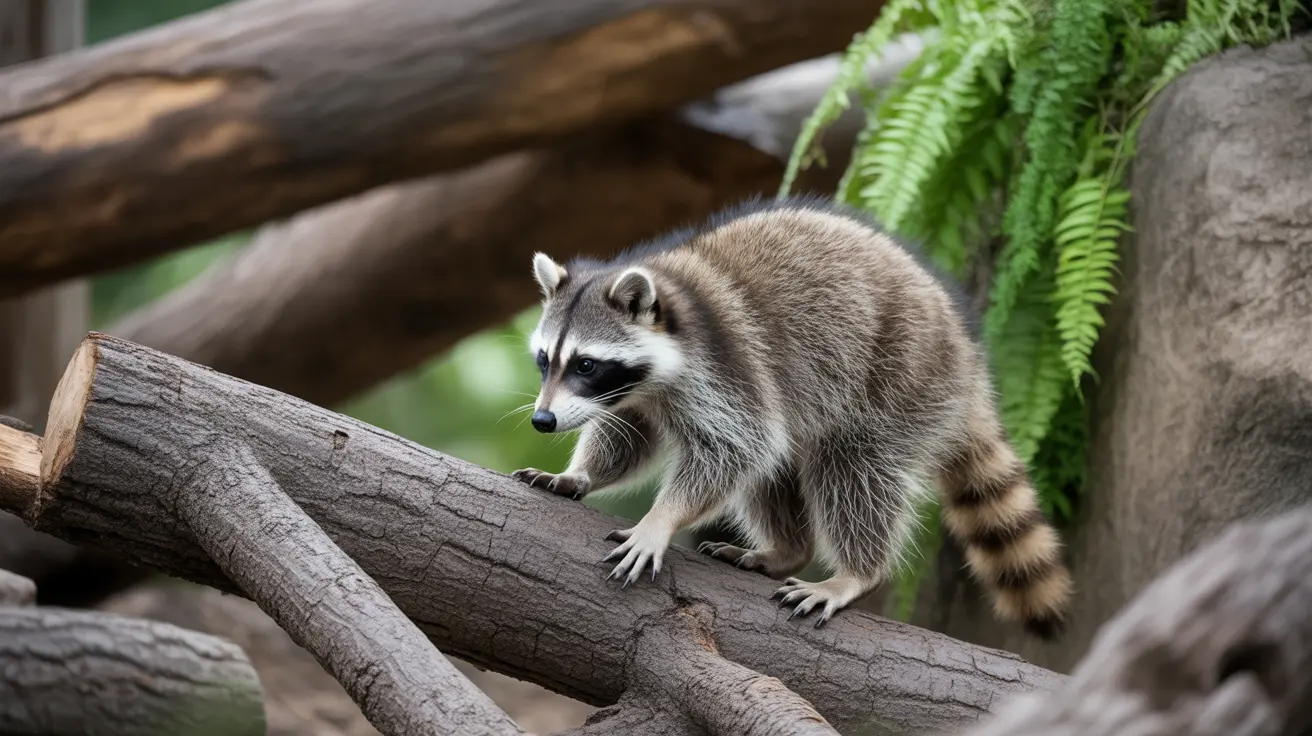
The San Diego Humane Society's Project Wildlife team is taking innovative approaches to wildlife rehabilitation by sourcing materials directly from nature to build realistic habitats for rescued animals. This groundbreaking method focuses on creating environments that closely mirror natural conditions, particularly for raccoons and other urban wildlife, to significantly improve their chances of successful reintroduction to the wild.
For pet owners and wildlife enthusiasts in Southern California, understanding these rehabilitation efforts provides valuable insight into how professional wildlife centers prepare rescued animals for release. The Project Wildlife team's commitment to using authentic materials from natural environments represents a crucial advancement in wildlife rehabilitation practices that could serve as a model for centers nationwide.
How Project Wildlife Raccoons Benefit from Naturalistic Habitats
The wildlife rehabilitation San Diego program recognizes that traditional enclosures often fail to prepare animals adequately for life in the wild. By constructing naturalistic habitats for raccoons using materials sourced directly from their natural environments, the team creates spaces that encourage natural behaviors essential for survival.
These specialized enclosures allow raccoons to practice foraging, climbing, and problem-solving skills they'll need upon release. The habitat design mimics the complexity of urban and suburban environments where San Diego raccoons typically live, including varied terrain, natural shelter options, and opportunities for exploration.
Wildlife Habitat Materials Wild Sourcing Approach
The Project Wildlife team's unique approach involves collecting branches, logs, rocks, and other natural materials from local wild areas to construct rehabilitation enclosures. This method ensures that animals become familiar with textures, scents, and challenges they'll encounter in their natural habitat.
Unlike artificial alternatives, these wild-sourced materials provide authentic sensory experiences that help animals maintain their natural instincts. The Southern California wildlife center regularly updates and rotates these materials to prevent habituation and keep the environment stimulating for the animals in their care.
Urban Wildlife Rehab Challenges and Solutions
Urban raccoon challenges in San Diego often stem from human-wildlife conflicts, including encounters with vehicles, entanglement in fencing, or separation of young raccoons from their mothers. The Project Wildlife team addresses these issues through comprehensive rehabilitation that prepares animals for the realities of urban living.
Pre-release conditioning wildlife programs focus on teaching rescued raccoons to avoid human contact while maintaining their natural foraging abilities. This balanced approach helps reduce the likelihood of future human-wildlife conflicts while ensuring the animals can thrive in urban and suburban environments.
Post-Release Survival Raccoons and Long-term Success
The success of wildlife rehabilitation programs is ultimately measured by post-release survival rates. By providing raccoons with realistic habitat experiences during rehabilitation, the San Diego Humane Society's approach significantly improves these outcomes.
Raccoon foraging enrichment activities within these naturalistic habitats help animals develop the skills necessary for finding food in varied environments. This preparation is crucial for urban raccoons who must navigate complex landscapes while avoiding human interactions that could lead to conflicts.
Human-Wildlife Conflict Prevention Through Education
Beyond rehabilitation services, the Project Wildlife program emphasizes community education to prevent future wildlife emergencies. Pet owners can play a crucial role by securing garbage cans, removing outdoor pet food, and understanding when wildlife encounters require professional intervention versus natural observation.
Simple preventive measures, such as installing wildlife-proof fencing and maintaining clean outdoor spaces, can significantly reduce the number of animals requiring rehabilitation services. These efforts support the overall mission of keeping wildlife wild while protecting both animals and community members.
Frequently Asked Questions
- What is the San Diego Humane Society's Project Wildlife and how does it help rehabilitated raccoons?
Project Wildlife is a specialized program that rescues, rehabilitates, and releases native wildlife. They help raccoons by creating naturalistic habitats using wild-sourced materials, allowing animals to practice essential survival skills before release into their natural environment.
- Why do rehabilitated raccoons need naturalistic habitats before release into the wild?
Naturalistic habitats help raccoons maintain their wild instincts and develop crucial survival skills like foraging, climbing, and problem-solving. These environments prevent habituation to humans while ensuring animals are physically and behaviorally prepared for independent life in the wild.
- How can I prevent human-wildlife conflicts with raccoons and support local rehabilitation efforts?
Secure garbage cans with tight-fitting lids, remove outdoor pet food at night, and maintain clean outdoor areas. If you encounter injured wildlife, contact professionals rather than attempting rescue yourself. Supporting local wildlife centers through donations or volunteering also helps these vital conservation efforts.
The San Diego Humane Society's innovative approach to wildlife rehabilitation demonstrates how thoughtful habitat design can dramatically improve outcomes for rescued animals. By investing in naturalistic environments and comprehensive pre-release preparation, Project Wildlife continues to set new standards for wildlife rehabilitation that benefits both animals and communities throughout Southern California.




