
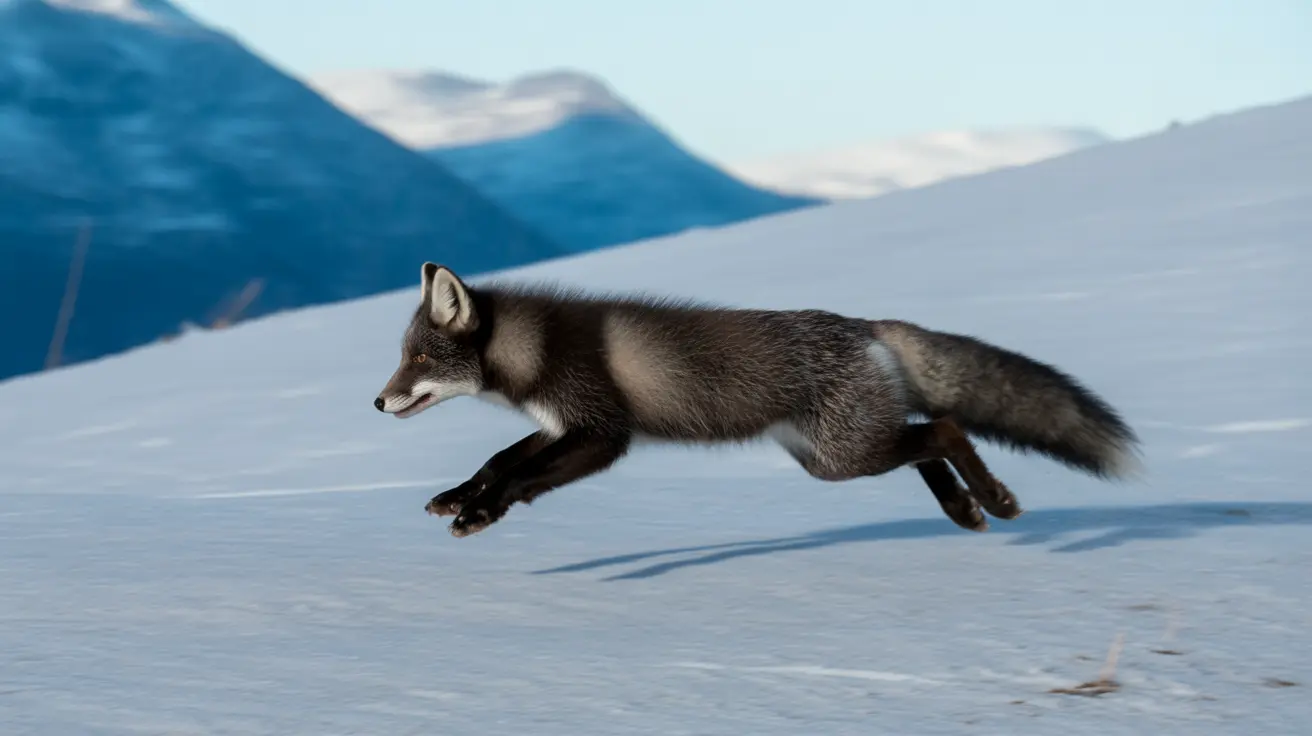
In a groundbreaking achievement for wildlife conservation, researchers have successfully captured and collared a Sierra Nevada red fox (Vulpes vulpes necator) for the first time outside of Yosemite National Park. This historic capture took place in Mono County, California, marking a significant milestone in the study of one of North America's most endangered species.
With fewer than 50 individuals believed to remain in the wild, the Sierra Nevada red fox represents one of California's most elusive and critically threatened mammals. This successful capture provides researchers with an unprecedented opportunity to study the species' behavior, habitat preferences, and survival patterns in their natural alpine environment.
Wildlife Conservation Breakthrough for Endangered Species
The capture of this Sierra Nevada red fox represents years of dedicated conservation efforts by wildlife biologists and researchers working to protect California mountain wildlife. The species has remained largely unstudied due to its extremely elusive nature and preference for remote, high-elevation habitats above 6,000 feet in the Sierra Nevada mountains.
This breakthrough allows scientists to gather crucial data about the fox's movements, territory size, and habitat use patterns. The information collected through tracking collars will inform future conservation strategies and help identify critical areas that require protection to ensure the species' survival.
Understanding High-Elevation Mammals and Their Challenges
The Sierra Nevada red fox inhabits some of the most challenging terrain in California, preferring alpine habitat characterized by harsh weather conditions, limited food sources, and extreme seasonal variations. These high-elevation mammals have adapted to survive in environments where temperatures can drop well below freezing and snow coverage lasts for months.
The species' nocturnal behavior and natural wariness of humans have made scientific research extremely difficult. Previous sightings have been rare and often limited to trail camera footage or brief visual encounters. This successful capture represents the first time researchers have been able to study an individual Sierra Nevada red fox up close and attach monitoring equipment.
Scientific Research Advancing Species Protection
The collaring process involves careful handling by trained wildlife biologists who prioritize the animal's safety and well-being throughout the procedure. The tracking collar will provide valuable data on the fox's daily movements, seasonal migration patterns, and preferred hunting grounds. This information is essential for developing effective conservation strategies and identifying potential threats to the species.
Research efforts for endangered species like the Sierra Nevada red fox require extensive planning, specialized equipment, and collaboration between multiple agencies. The data collected from this individual will contribute to a broader understanding of the species' ecological needs and help guide habitat preservation efforts across the Sierra Nevada region.
Conservation Efforts and Habitat Preservation
The Sierra Nevada red fox is protected under federal endangered species legislation, but effective conservation requires ongoing research and active habitat management. The species faces numerous threats including climate change, habitat fragmentation, and competition from other wildlife species that have expanded into their traditional territory.
Conservation organizations and wildlife agencies are working together to identify and protect critical habitat areas where the remaining Sierra Nevada red fox population can thrive. This includes monitoring potential threats, managing recreational activities in sensitive areas, and ensuring adequate prey populations to support the foxes' dietary needs.
Frequently Asked Questions
What is the Sierra Nevada red fox?
The Sierra Nevada red fox (Vulpes vulpes necator) is a critically endangered wild mammal native to the high-elevation mountains of California. This subspecies is distinct from other red fox populations and has adapted specifically to alpine environments.
Why is the Sierra Nevada red fox endangered?
The species is critically endangered due to habitat loss, limited remaining population (fewer than 50 individuals), and its elusive, nocturnal nature which makes sightings rare. Climate change and human encroachment on their alpine habitat continue to threaten their survival.
How is the Sierra Nevada red fox protected?
It is protected under the federal Endangered Species Act, with ongoing conservation efforts to preserve its habitat and promote research. Wildlife agencies actively monitor populations and work to minimize human disturbances in critical habitat areas.
Where does the Sierra Nevada red fox live?
It inhabits remote alpine habitats above 6,000 feet elevation in the Sierra Nevada mountains of California. These high-elevation environments provide the specific conditions and prey species the foxes need to survive.
Why is scientific research important for this species?
Research helps understand the species' ecology, habitat needs, and threats, informing effective conservation strategies. Data from tracking collars and field studies provides essential information for protecting remaining populations and their habitat.
This historic capture represents hope for the future of the Sierra Nevada red fox and demonstrates the importance of continued conservation efforts for protecting California's unique mountain wildlife. Through ongoing research and habitat protection, wildlife biologists work to ensure that future generations will have the opportunity to witness these remarkable animals thriving in their natural alpine environment.




