
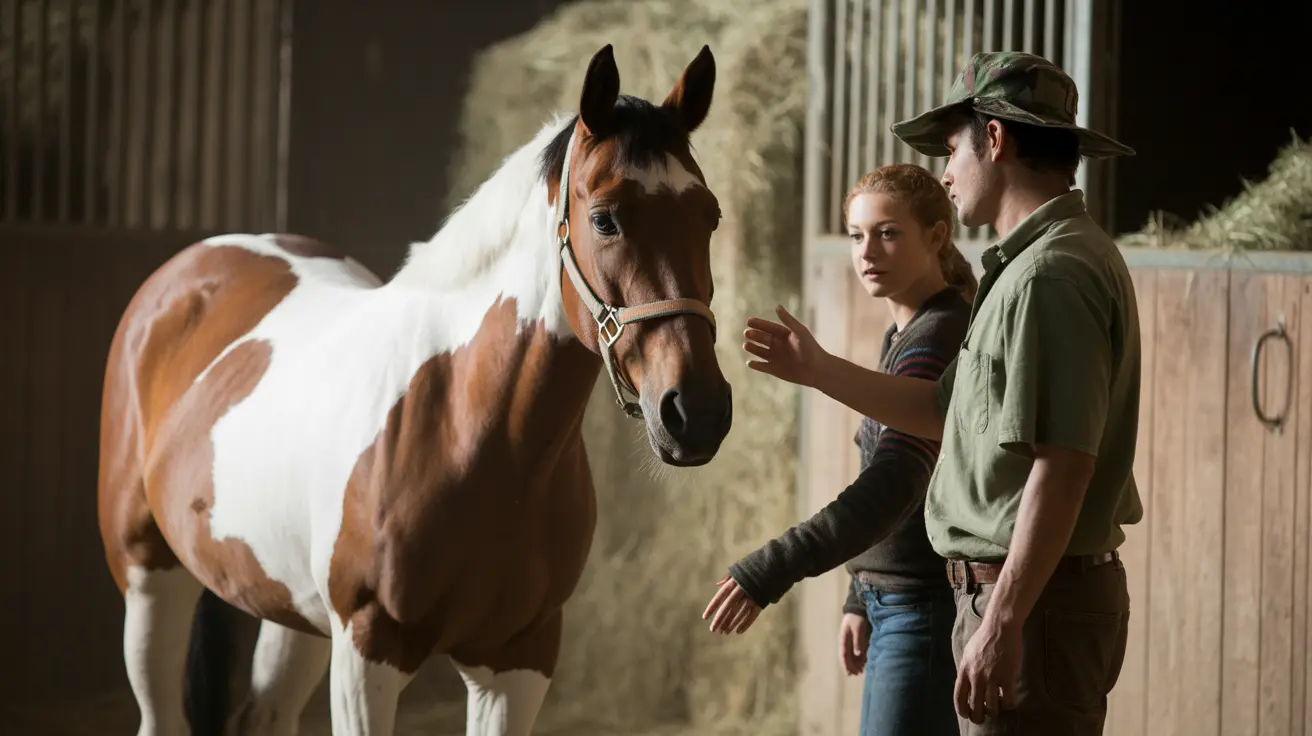
A compassionate Alto woman has taken decisive action to address the growing horse slaughter crisis affecting Texas and the broader United States. Patricia Baur recently founded Texas Highway 21 Horse Rescue in Alto after witnessing firsthand the alarming number of horses in desperate need of sanctuary across the region.
The establishment of this East Texas horse rescue represents a crucial response to the ongoing challenge of unwanted horses in the US, where thousands of equines face uncertain futures due to overbreeding, economic hardship, and inadequate resources for proper care. Patricia Baur's horse rescue initiative aims to provide a lifeline for these vulnerable animals while educating the community about responsible horse ownership.
Understanding the Horse Slaughter Crisis in Texas
The horse overbreeding crisis has created a significant welfare challenge across Texas and neighboring states. Many horses end up in precarious situations when owners can no longer provide adequate care, leading to abandonment or surrender to facilities where their futures remain uncertain.
While commercial horse slaughter operations were banned in the United States, the demand for rescue services continues to grow as economic pressures and changing circumstances affect horse owners' ability to maintain their animals. This reality underscores the vital importance of rescue organizations like Texas Highway 21 Horse Rescue.
The Mission of Texas Highway 21 Horse Rescue
Located in Alto, this newly established equine rescue Texas facility focuses on providing sanctuary for horses that might otherwise face dire circumstances. The rescue's strategic location allows it to serve a broad area where many horses require immediate intervention and long-term care.
Horse rescue operations typically involve multiple phases of care, from initial assessment and veterinary treatment to rehabilitation and eventual placement in suitable homes. The process requires significant resources, expertise, and dedication from volunteers and staff members.
Rescue Operations and Horse Care
When horses arrive at rescue facilities, they often require comprehensive medical evaluation, nutritional rehabilitation, and behavioral assessment. The cost to rescue and care for horses can be substantial, including veterinary bills, feed, shelter maintenance, and ongoing health management.
Professional rescue operations maintain detailed records for each animal, tracking health improvements, training progress, and readiness for adoption. This systematic approach ensures that horses receive appropriate care while preparing them for successful transitions to permanent homes.
Supporting East Texas Horse Rescue Efforts
Community support plays a crucial role in the success of rescue operations. There are several ways individuals can contribute to organizations like Texas Highway 21 Horse Rescue:
- Financial donations help cover operational expenses including feed, veterinary care, facility maintenance, and emergency medical treatments. Even modest contributions can make a significant difference in a horse's recovery and rehabilitation.
- Volunteer opportunities allow community members to participate directly in rescue operations. Tasks may include facility maintenance, animal care assistance, transportation support, and administrative duties.
The Horse Adoption Process in Texas
The horse adoption process Texas rescues typically follow involves careful screening of potential adopters to ensure suitable matches between horses and their new families. Prospective adopters usually complete applications detailing their experience, facilities, and long-term care plans.
Successful adoptions require adequate facilities, financial resources for ongoing care, and commitment to the animal's welfare. Rescue organizations often provide guidance and support to new adopters, ensuring smooth transitions and continued horse welfare.
Frequently Asked Questions
What is Texas Highway 21 Horse Rescue and how can I support it?
Texas Highway 21 Horse Rescue is a newly established sanctuary in Alto, founded by Patricia Baur to save horses from slaughter and provide them with proper care. You can support the rescue through financial donations, volunteering your time, or spreading awareness about their mission in your community.
How do horses end up in kill pens and at risk of slaughter in Texas?
Horses typically end up in dangerous situations when owners can no longer afford their care, face economic hardship, or lack knowledge about proper placement options. Some horses are abandoned, while others are sold to dealers who may transport them to facilities where their welfare is compromised.
How much does it cost to rescue and care for a horse from slaughter?
The cost varies significantly depending on the horse's condition, but rescue operations typically spend hundreds to thousands of dollars per animal for veterinary care, rehabilitation, feeding, and shelter. Ongoing monthly care costs for a horse generally range from $300 to $800 or more, depending on specific needs and local costs.
Making a Difference for Equine Welfare
Patricia Baur's establishment of Texas Highway 21 Horse Rescue represents hope for countless horses facing uncertain futures across East Texas. Through community support, volunteer dedication, and continued advocacy for equine welfare, rescue organizations can make meaningful differences in the lives of these magnificent animals.
Those interested in supporting horse rescue efforts are encouraged to research local organizations, consider adoption if suitable, and contribute to the ongoing mission of providing sanctuary for horses in need throughout Texas and beyond.




