A concerning new analysis from the Center for Biological Diversity has identified seven endangered animal species that could be pushed to the brink of extinction under proposed Trump administration changes to the Endangered Species Act. These Trump ESA regulations 2025 represent a significant shift in wildlife protection policy that could have far-reaching consequences for America's most vulnerable animals.
The analysis highlights how weakening threatened species protections could impact everything from marine ecosystems to backyard wildlife that pet owners might encounter. For pet parents who care about conservation and the natural world their animals inhabit, understanding these potential policy changes is crucial for supporting wildlife protection efforts in their communities.
Critical Habitat Designation Under Threat
One of the most significant concerns involves changes to critical habitat designation processes. Under the proposed regulations, economic considerations would play a larger role in determining whether areas receive protected status for endangered species recovery efforts. This shift could particularly impact species threatened by climate change, as their habitat needs often conflict with development interests.
The Florida manatee protection efforts exemplify this challenge. These gentle marine mammals require specific warm-water areas for survival, but these same coastal regions are highly valued for commercial and residential development. Changes to habitat designation rules could make it harder to protect the waterways that manatees depend on for survival.
Species Most at Risk from Policy Changes
Marine and Coastal Species
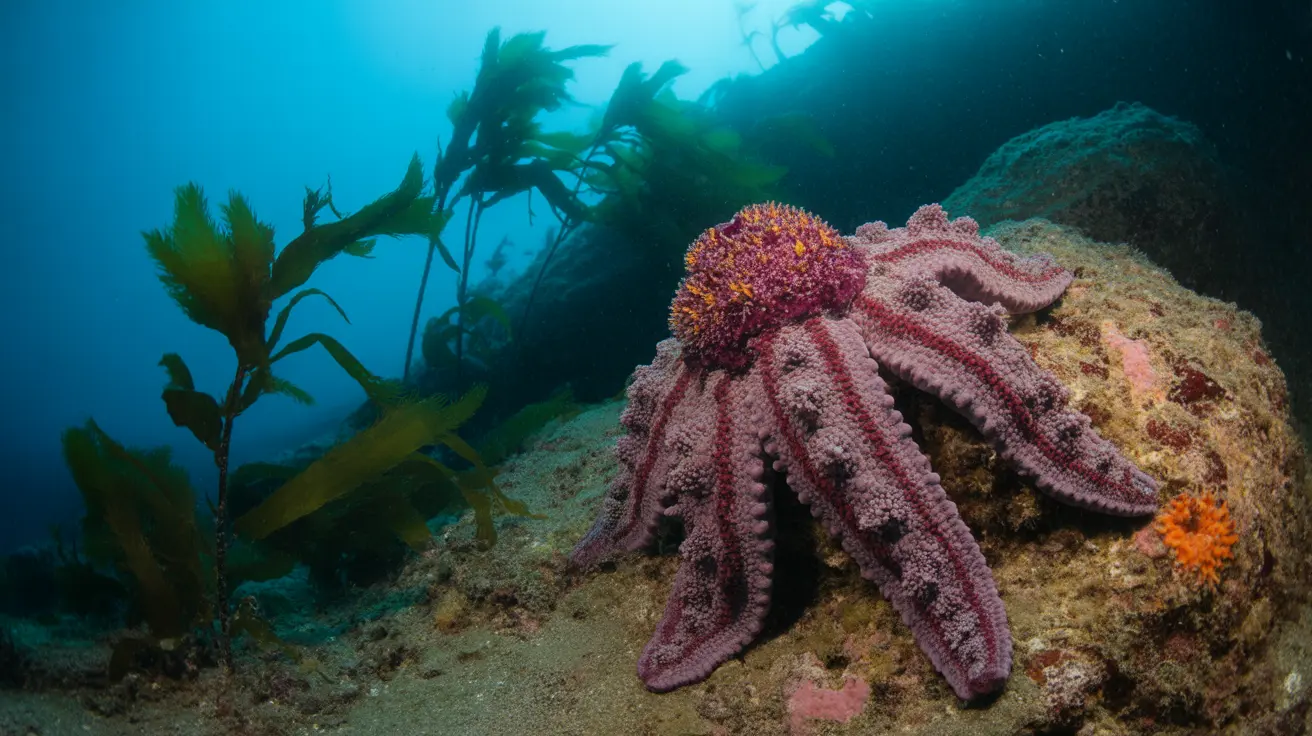
The sunflower sea star decline represents one of the most dramatic examples of how policy changes could affect marine ecosystems. These colorful sea creatures have already suffered massive population losses, and weakened protections could hamper recovery efforts along the Pacific Coast.
Similarly, the red knot migration habitat faces new challenges. These remarkable shorebirds travel thousands of miles during migration, requiring protected stopover sites along their route. Changes to interagency consultation processes could make it harder to coordinate protection efforts across multiple jurisdictions.
Terrestrial Wildlife
On land, monarch butterfly habitat loss continues to accelerate, with the iconic pollinators facing numerous threats from pesticides to climate change. The California spotted owl endangered status reflects broader challenges facing forest ecosystems, while the alligator snapping turtle conservation efforts highlight the need for freshwater habitat protection.
Pet owners who enjoy hiking or camping with their animals may encounter these species in the wild, making their conservation relevant to the broader pet community's outdoor experiences.
Economic Impacts on Wildlife Protection
The proposed changes would significantly alter how economic impacts on wildlife protection are considered in decision-making processes. Currently, the Endangered Species Act prioritizes biological factors in listing and protecting species. The new approach would give greater weight to economic considerations, potentially making it harder to establish new protections or maintain existing ones.
This shift raises concerns among conservationists who argue that short-term economic interests shouldn't override the long-term value of biodiversity. The interconnected nature of ecosystems means that losing key species can have cascading effects on environmental health, potentially impacting the natural areas where pet owners recreate with their animals.
Habitat Loss and Species Extinction Concerns
The analysis underscores how habitat loss and species extinction are interconnected challenges that require comprehensive policy responses. When protections are weakened, the cumulative effects can push vulnerable species past the point of recovery.
For pet owners, this connects to broader environmental health concerns. Healthy ecosystems support diverse wildlife populations, which in turn can reduce disease vectors and maintain the natural balance that benefits both wild animals and domestic pets that spend time outdoors.
Frequently Asked Questions
- How would the Trump administration's proposed changes weaken protections for endangered species like the Florida manatee and California spotted owl?
The proposed changes would introduce greater economic considerations into protection decisions and potentially weaken habitat designation processes. For species like the Florida manatee, this could make it harder to protect critical warm-water areas from development. The California spotted owl could face reduced forest habitat protections as economic factors gain more influence in conservation decisions.
- What impact do the new ESA rules have on designating critical habitat for species threatened by climate change?
The new rules could make critical habitat designation more difficult by requiring greater consideration of economic impacts. For climate-threatened species that need new or expanded habitat areas as conditions change, the additional economic hurdles could delay or prevent necessary protections from being established.
- Why is considering economic impacts in endangered species protections controversial under the Endangered Species Act?
The controversy stems from the Act's original focus on preventing extinctions based primarily on biological need rather than economic convenience. Critics worry that prioritizing economic factors could lead to decisions that favor short-term financial interests over long-term species survival, potentially undermining the Act's conservation mission.
Moving Forward with Conservation Awareness
As these policy discussions continue, pet owners and animal lovers can stay informed about conservation issues affecting wildlife in their regions. Supporting local wildlife organizations, creating pet-friendly gardens that benefit native species, and practicing responsible outdoor recreation with pets all contribute to broader conservation efforts.
The fate of these seven species serves as a reminder that wildlife protection requires ongoing public support and awareness. Whether through advocacy, education, or simple lifestyle choices that support biodiversity, every pet parent can play a role in protecting the natural world that enriches our lives and our pets' experiences.