
Meet the New Animal Ambassadors
Willow the Virginia Opossum: Nature's Survivor
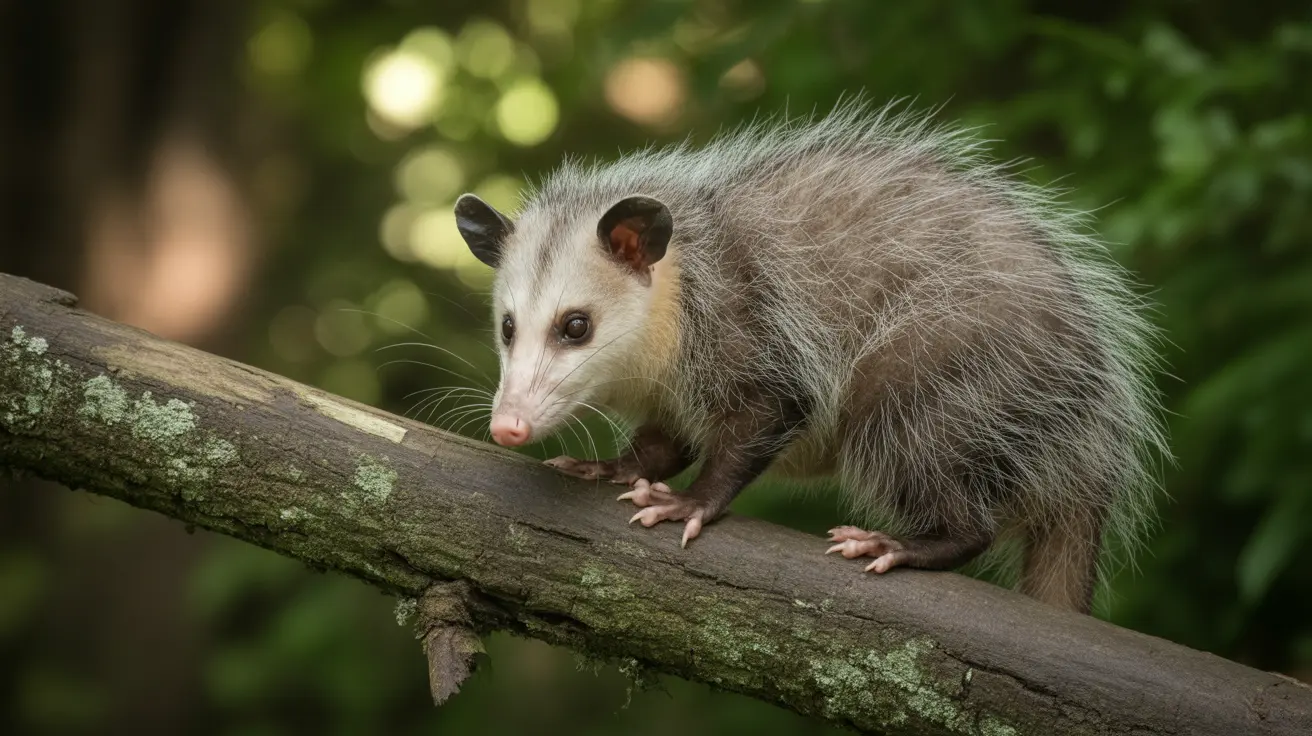
Willow opossum Virginia Aquarium represents one of North America's most misunderstood marsupials. Virginia opossums are the only native marsupial in North America, making Willow an exceptional educational ambassador. These remarkable creatures are often unfairly maligned, despite their beneficial role in controlling pest populations and their resistance to rabies due to their lower body temperature.
The Virginia opossum facts surrounding these animals are truly fascinating. Contrary to popular belief, the opossum playing dead myth isn't entirely accurate – they don't consciously "play dead" but rather enter an involuntary state called thanatosis when extremely frightened. This defensive mechanism has helped opossums survive for millions of years, making them living fossils in the animal kingdom.
Maple the Striped Skunk: More Than Just Defense
Maple striped skunk brings attention to another commonly misunderstood animal. While most people focus on the striped skunk defense spray mechanism, these animals offer significant ecological benefits. Skunks are natural pest controllers, consuming large quantities of insects, grubs, and small rodents that can damage gardens and crops.
The skunk pest control benefits extend far beyond their famous defensive capabilities. These omnivores help maintain balanced ecosystems by controlling harmful insect populations while also consuming fruits and vegetables, making them important seed dispersers in their natural habitats.
Mahogany the Spectacled Owl: Silent Hunter of the Night
Mahogany spectacled owl represents one of the most impressive nocturnal predators in the Americas. The spectacled owl habitat typically spans from Mexico through South America, making this ambassador an exotic addition to the Virginia Beach facility. These owls are known for their distinctive facial disc patterns that resemble spectacles, giving them their common name.
The spectacled owl silent flight capability makes them incredibly effective hunters. Their specialized feather structure allows them to fly virtually soundlessly, enabling them to surprise prey while hunting at night. This adaptation showcases the remarkable evolutionary developments that make owls such successful predators.
Wildlife Education and Conservation Impact
The animal ambassadors Virginia Beach facility now houses serve as powerful educational tools for teaching visitors about wildlife conservation. These animals often come to facilities like the Virginia Aquarium through rescue operations, rehabilitation programs, or because they cannot be safely released back into the wild due to injuries or human imprinting.
The Virginia Aquarium expansion of their ambassador program demonstrates the facility's dedication to providing immersive educational experiences. Visitors can observe these animals up close while learning about their natural behaviors, habitat requirements, and conservation challenges facing their wild counterparts.
For pet owners, these ambassadors provide valuable insights into wildlife behavior and the importance of coexisting with native species. Understanding these animals helps pet parents make informed decisions about protecting both their pets and local wildlife populations.
Planning Your Visit
The wildlife education Virginia Aquarium provides through these new ambassadors makes visiting an enriching experience for families and animal enthusiasts. The facility's educational programs featuring Willow, Maple, and Mahogany offer unique opportunities to learn about native and exotic wildlife species while supporting conservation efforts.
Frequently Asked Questions
What are the new animal ambassadors at Virginia Aquarium & Marine Science Center?
The Virginia Aquarium & Marine Science Center recently welcomed three new animal ambassadors: Willow, a Virginia opossum; Maple, a striped skunk; and Mahogany, a spectacled owl. These animals serve as educational ambassadors to teach visitors about wildlife conservation and natural behaviors.
Do striped skunks like Maple really spray as a defense, and what do they eat?
Yes, striped skunks can spray as a last resort defense mechanism, but they prefer to avoid confrontation. Their diet consists primarily of insects, grubs, small rodents, fruits, and vegetables, making them valuable for natural pest control in ecosystems.
Can I see Willow, Maple, and Mahogany at the Virginia Aquarium?
Yes, these new animal ambassadors are now part of the Virginia Aquarium's educational programs. Visitors can observe these remarkable animals while learning about their species' unique characteristics and conservation importance. Check the facility's website for current Virginia Aquarium tickets pricing and program schedules.
The addition of these three remarkable animal ambassadors marks an exciting new chapter for the Virginia Aquarium & Marine Science Center. Through Willow, Maple, and Mahogany, visitors gain invaluable insights into the diverse wildlife that shares our world, fostering greater appreciation for conservation efforts and responsible pet ownership practices.




