
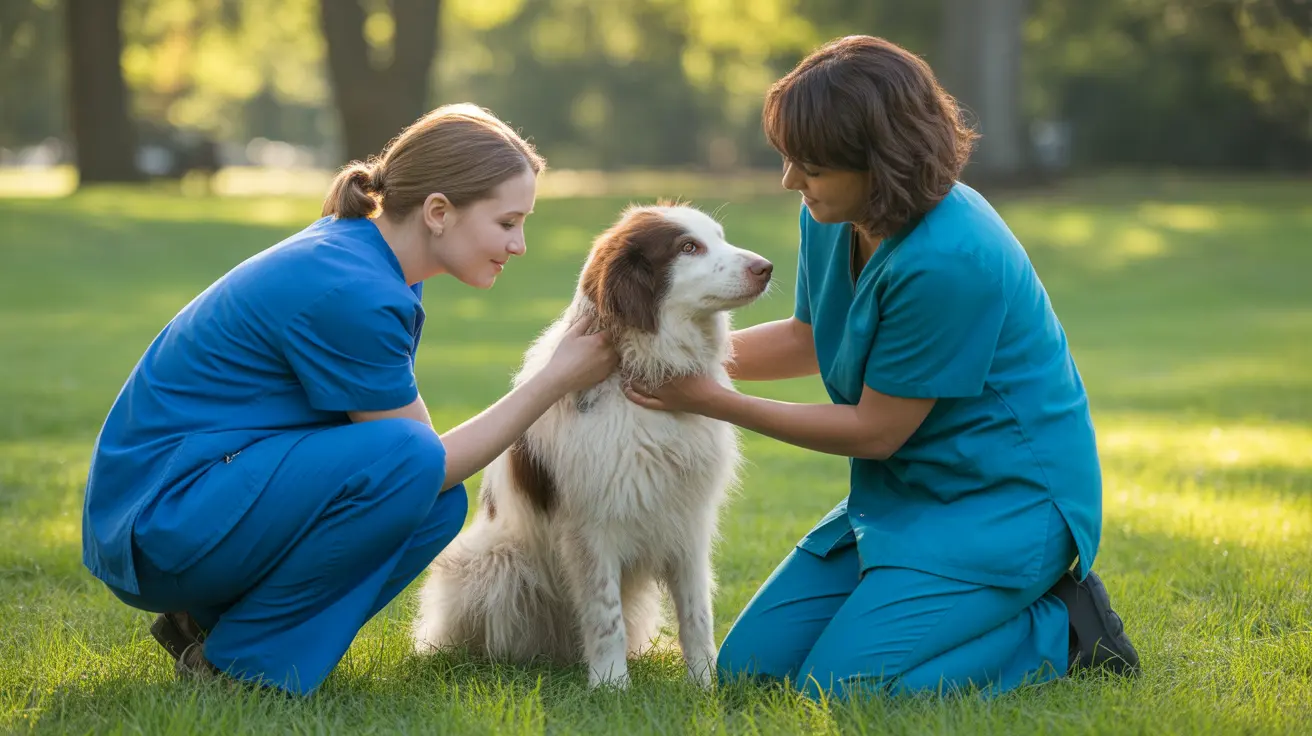
Animal shelters across Virginia are grappling with an unprecedented veterinary shortage that threatens the health and welfare of countless animals in their care. This growing crisis has prompted state lawmakers to take decisive action, recognizing that without adequate veterinary support, shelters struggle to provide essential medical care, leading to increased euthanasia rates and prolonged suffering for vulnerable animals.
The Virginia veterinary shortage has reached critical levels, forcing many shelters to delay crucial procedures, turn away animals in need, and make difficult decisions about which animals receive immediate medical attention. This staffing crisis doesn't just affect shelter operations—it directly impacts pet adoption rates, spay and neuter programs, and the overall welfare of companion animals throughout the state.
Understanding the Scope of Virginia's Veterinary Shortage
The veterinary profession has been experiencing nationwide shortages, but Virginia's animal shelters face particularly acute challenges. Many facilities operate with limited budgets, making it difficult to compete with private practices for qualified veterinarians. Rural areas are especially affected, where geographic isolation compounds the already limited pool of available veterinary professionals.
This shortage creates a domino effect throughout the animal welfare system. When shelters lack adequate veterinary care, they cannot efficiently process incoming animals, leading to overcrowding and increased stress on both animals and staff. The inability to perform timely spay and neuter procedures also contributes to the broader pet overpopulation problem.
Virginia House Bill 1385: A Legislative Solution
In response to this crisis, Virginia lawmakers passed House Bill 1385 in 2026, introducing innovative approaches to expand veterinary services in animal shelters. This landmark legislation recognizes that traditional veterinary staffing models may not be sustainable for resource-constrained shelter operations.
The new law focuses on maximizing the skills of licensed veterinary technicians while maintaining high standards of animal care. By allowing properly trained and certified veterinary technicians to perform certain procedures under appropriate supervision, shelters can provide more comprehensive medical services even when full-time veterinarians are not available on-site.
Expanding Veterinary Technician Training and Certification
A crucial component of the new legislation involves enhanced licensed veterinary technician certification programs. These expanded training initiatives ensure that veterinary technicians working in shelter environments receive specialized education in high-volume spay and neuter procedures, emergency care protocols, and shelter-specific medical challenges.
The certification process includes rigorous standards for technician-supervised veterinary procedures, ensuring that animal welfare remains the top priority. This approach allows shelters to maintain quality medical care while adapting to the realities of the current veterinary shortage.
Implementing Telemedicine Veterinary Services
Virginia's new law also embraces modern technology through telemedicine veterinary services and remote veterinary supervision systems. This innovative approach allows off-site veterinarians to guide and oversee procedures performed by trained technicians in shelters, dramatically expanding access to professional veterinary expertise.
The telemedicine supervision system enables real-time consultation, procedure guidance, and post-operative care instructions. This technology-driven solution is particularly valuable for rural animal shelter challenges, where geographic distances previously limited access to veterinary professionals.
Impact on Shelter Operations and Animal Welfare
The legislation addresses several critical areas that directly affect animal welfare outcomes. Enhanced shelter spay neuter programs can now operate more efficiently, helping to control pet overpopulation. Improved access to veterinary care also supports better shelter intake and live release rates, ultimately saving more animal lives.
By reducing pet adoption delays caused by medical backlogs, the new law helps animals find permanent homes more quickly. This improved efficiency in animal shelter medical care creates space for shelters to assist more animals in need while maintaining high standards of care.
Frequently Asked Questions
Why are animal shelters in Virginia having trouble caring for animals? Virginia shelters are experiencing a severe veterinary shortage, making it difficult to find qualified veterinarians to provide essential medical care. This shortage leads to delayed procedures, overcrowding, and increased euthanasia rates as shelters struggle to maintain adequate veterinary services.
What new law did Virginia pass in 2026 to help shelters with veterinary care? Virginia passed House Bill 1385 in 2026, which expands the role of licensed veterinary technicians in animal shelters and implements telemedicine veterinary services. This legislation allows properly trained technicians to perform certain procedures under remote supervision, increasing access to veterinary care.
How does the telemedicine supervision system work for shelter veterinary services? The telemedicine system allows off-site veterinarians to provide real-time guidance and supervision to veterinary technicians performing procedures in shelters. This technology enables professional veterinary oversight even when a veterinarian cannot be physically present at the facility.
Moving Forward: A Model for Other States
Virginia's proactive approach to addressing veterinary shortages in animal shelters represents a significant step forward in animal welfare policy. By embracing innovative solutions that combine enhanced technician training with modern technology, the state has created a model that other regions facing similar challenges may choose to adopt.
The success of this legislation will likely depend on careful implementation, ongoing training programs, and continued collaboration between veterinary professionals, shelter administrators, and state regulators. As the law takes effect, its impact on companion animal euthanasia rates and overall shelter effectiveness will provide valuable insights for the broader animal welfare community.




