
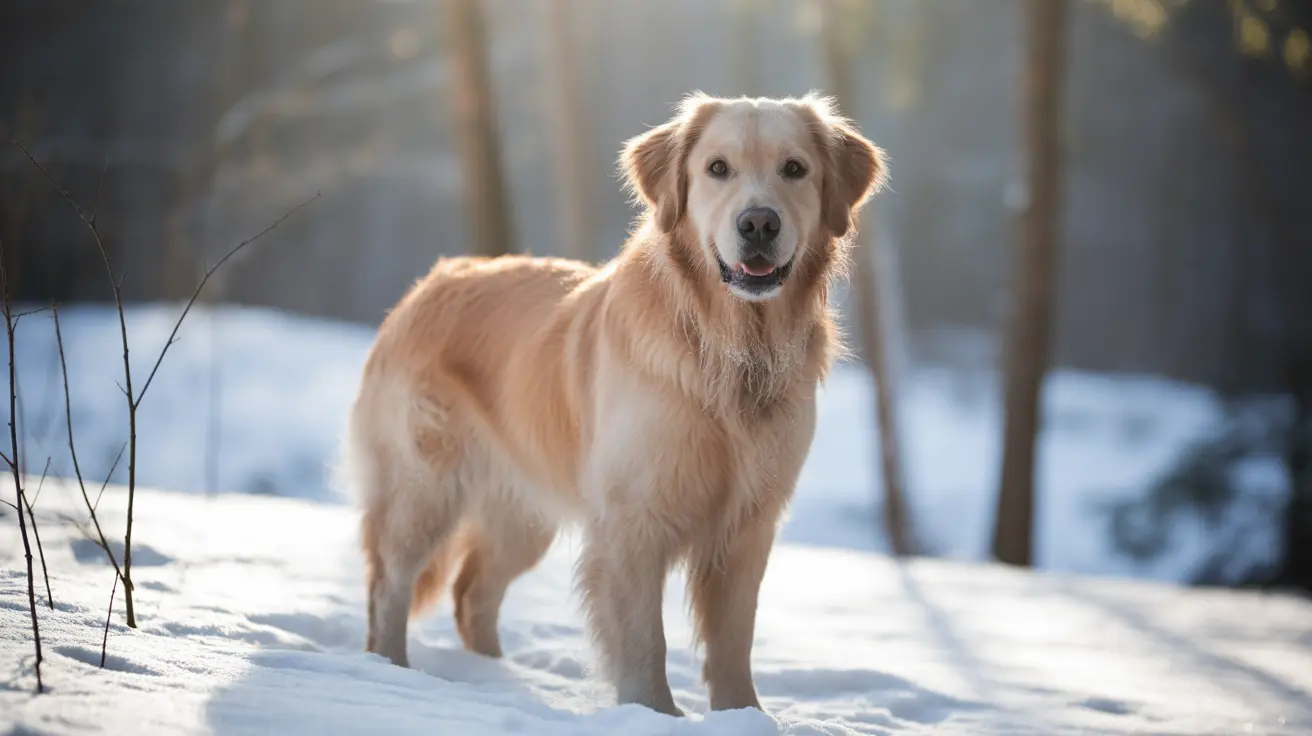
The Monadnock Region recently experienced its first major snowstorm of the season, bringing joy to children, animals, and families across the area. As pet parents watched their furry companions frolic in the fresh powder, this winter weather event serves as a perfect reminder of the importance of winter pet care tips to keep our beloved animals safe and comfortable during the cold months ahead.
While snow days create magical moments for both pets and their families, they also present unique challenges that require preparation and awareness. From protecting sensitive paw pads to preventing hypothermia, responsible pet ownership during winter months involves understanding how cold weather affects our animal companions.
Dog Paw Protection Winter: Essential Steps for Snowy Adventures
One of the most critical aspects of winter pet safety involves protecting your dog's paws from harsh winter elements. During the recent Monadnock snowstorm, many pet owners likely noticed their dogs lifting their paws or showing discomfort while walking through snow and ice.
Dog booties provide excellent protection against ice, salt, and chemical ice melts commonly used on sidewalks and roads. For dogs who resist wearing booties, paw wax or protective balms can create a barrier against irritating substances. After each winter walk, always wipe or rinse your dog's paws with warm water to remove salt, ice, and chemicals that can cause cracking, irritation, or even chemical burns.
Additionally, keep your dog's nails trimmed during winter months to prevent ice balls from forming between their toes, which can cause pain and make walking difficult.
Keeping Pets Warm in Snow: Understanding Cold Weather Limits
Not all pets are equipped to handle extended periods in cold weather. Short-haired breeds, puppies, senior dogs, and small animals are particularly vulnerable to hypothermia and frostbite. During winter activities, watch for signs of cold stress including shivering, lifting paws repeatedly, whining, or seeking shelter.
Waterproof coats and sweaters can provide additional insulation for dogs who need extra warmth. However, even well-bundled pets should have limited exposure time during extreme cold conditions. Create a warm, draft-free indoor space where your pet can warm up between outdoor adventures.
Safe Winter Hiking with Pets: Monadnock Region Precautions
The Monadnock Region offers beautiful winter landscapes perfect for family recreation, but hiking with pets during winter requires extra preparation. Always keep pets leashed to prevent them from wandering onto thin ice or getting lost in deep snow drifts.
Bring extra water, as pets can become dehydrated in cold weather just as easily as in hot conditions. Pack a first-aid kit that includes supplies for treating minor cuts from ice or snow crusts. Consider shorter hiking distances than you might attempt during warmer months, as pets expend more energy staying warm in cold conditions.
Protecting Pets from Ice Melt Chemicals: Post-Storm Safety
After major snowstorms like the one recently experienced in the Monadnock Region, roads and walkways are typically treated with salt and chemical ice melts. These substances can irritate paw pads, cause digestive upset if licked, and even lead to chemical burns on sensitive skin.
Choose pet-safe ice melt products for your own property, and always clean your pet's paws, legs, and belly after walks through treated areas. If your pet shows signs of irritation such as excessive licking, limping, or red, swollen paws, consult your veterinarian promptly.
Winter Snow Play Safety for Dogs: Supervised Fun
While watching dogs play in fresh snow brings joy to pet parents, supervision remains essential. Deep snow can hide hazards such as sharp objects, holes, or unstable surfaces. Frozen ponds and lakes present particular dangers, as ice thickness can vary dramatically and pets may fall through thin spots.
Create safe play areas in your yard by clearing obstacles and checking for potential hazards before letting pets loose to enjoy the snow. Monitor playtime duration to prevent overexertion and ensure pets don't become too cold while having fun.
Frequently Asked Questions
- How can I keep my dog's paws safe and healthy during snowy winter walks in the Monadnock Region? Use dog booties to protect paws from ice, salt, and chemicals, wipe paws clean after walks, and consider applying paw wax or balms to prevent cracking and irritation.
- What precautions should I take to keep my pet warm and safe during outdoor winter activities? Limit outdoor time for vulnerable pets (puppies, seniors, short-haired breeds), provide waterproof coats or sweaters, keep pets indoors during extreme cold, and ensure they have a warm, draft-free shelter if outside.
- Are there safe winter recreational activities for pets and families in the Monadnock Region? Yes, the region offers snowshoeing, sledding, and family-friendly events where pets can join, but always supervise pets closely, especially near icy surfaces or frozen water.
- Why is it dangerous to let pets roam on frozen ponds or lakes during winter? Thin ice may not support their weight, risking falls through the ice which can lead to hypothermia, trauma, or drowning. Pets should always be leashed near frozen bodies of water.
- What should I do after my pet plays in the snow to prevent health issues? Wash or wipe snow and salt from paws and belly, dry your pet thoroughly indoors, check for signs of frostbite or hypothermia, and provide fresh water to keep them hydrated.
Creating Lasting Winter Memories Safely
The recent snowstorm in the Monadnock Region created wonderful opportunities for families and their pets to enjoy winter activities together. By following proper winter pet care tips and taking necessary precautions, pet parents can ensure these snowy adventures remain safe and enjoyable for everyone involved.
Remember that preparation and awareness are key to successful winter pet ownership. With the right gear, knowledge, and attention to your pet's individual needs, winter can be a season of joy and bonding rather than worry and stress.




