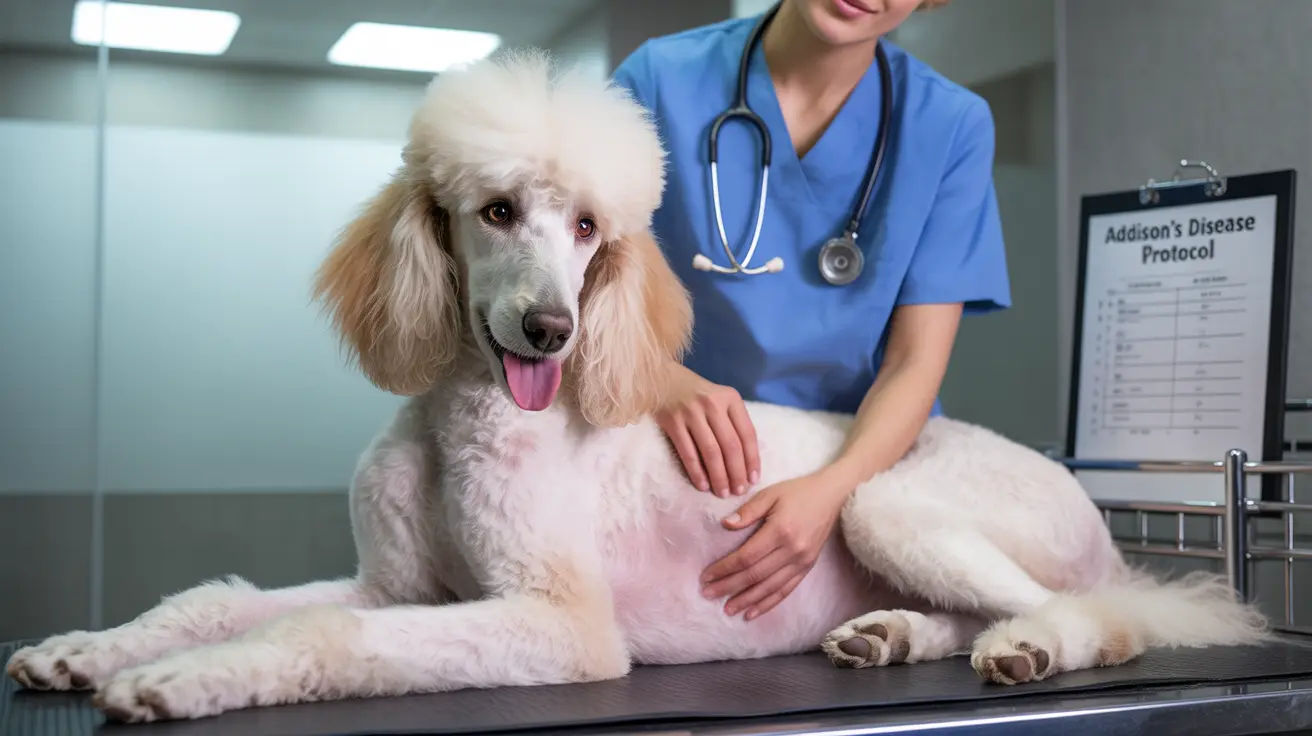
What Causes Addison's Disease in Dogs?
The primary cause of Addison's disease is the immune system attacking and destroying the adrenal glands. This results in insufficient production of two critical hormone groups: glucocorticoids (like cortisol) and mineralocorticoids (like aldosterone). Some breeds, including Standard Poodles, Portuguese Water Dogs, and Great Danes, have a higher genetic predisposition to developing the condition.
Recognizing the Signs and Symptoms
Addison's disease is often called the "great pretender" because its symptoms can mimic many other conditions. Common signs include:
- Lethargy and weakness
- Vomiting and diarrhea
- Loss of appetite
- Increased thirst and urination
- Weight loss
- Shaking or trembling
- Depression or listlessness
Understanding Addisonian Crisis
An Addisonian crisis is a life-threatening emergency that occurs when the condition goes undiagnosed or untreated. During a crisis, dogs may experience severe dehydration, collapse, and shock. Immediate veterinary intervention is crucial, as this condition can be fatal without proper treatment.
Diagnosis and Testing
Veterinarians typically diagnose Addison's disease through a combination of:
- Blood tests to check electrolyte levels
- ACTH stimulation test (the definitive diagnostic tool)
- Physical examination and medical history
- Additional testing to rule out other conditions
Treatment Options and Management
While Addison's disease isn't curable, it's highly manageable with proper medical care. Treatment typically involves:
- Hormone replacement therapy
- Regular monitoring of electrolyte levels
- Stress dose adjustments during illness or stress
- Routine veterinary check-ups
Long-term Care and Prognosis
With appropriate treatment and monitoring, dogs with Addison's disease can lead normal, healthy lives. Success depends on consistent medication administration and regular veterinary oversight to adjust doses as needed.
Frequently Asked Questions
What are the common symptoms of Addison's disease in dogs, and how is it diagnosed?
Common symptoms include lethargy, vomiting, diarrhea, and increased thirst. Diagnosis is confirmed through blood tests and an ACTH stimulation test, which measures the body's cortisol response.
Can Addison's disease in dogs be cured, or is it a lifelong condition?
Addison's disease cannot be cured, but it can be successfully managed with lifelong hormone replacement therapy and regular veterinary monitoring.
Which breeds are most likely to develop Addison's disease, and is it inherited?
Standard Poodles, Portuguese Water Dogs, and Great Danes are among the breeds most commonly affected. There is evidence of genetic predisposition in certain breeds.
What happens during an Addisonian crisis in dogs, and how is it treated?
An Addisonian crisis involves severe dehydration, collapse, and shock. Treatment requires immediate hospitalization, IV fluids, and emergency hormone supplementation.
How can I care for a dog with Addison's disease, and what are the long-term management options?
Long-term care involves regular medication administration, routine veterinary check-ups, and careful monitoring of your dog's health. Stress management and proper medication adjustments during illness are crucial for successful management.
Conclusion
While Addison's disease in dogs is a serious condition, understanding its symptoms and management options is crucial for providing the best care for affected pets. With proper diagnosis, treatment, and ongoing care, dogs with Addison's disease can enjoy long, happy lives alongside their families.