
Alaska's Wildlife and Pet Ownership Landscape
Alaska's breathtaking wilderness is home to some of North America's most magnificent wildlife, from towering brown bears to majestic Dall sheep. For pet owners considering a move to Alaska or those curious about Alaska legal pets, understanding the state's unique regulations and wildlife interactions is crucial for responsible pet ownership. The Last Frontier presents both incredible opportunities to witness native wildlife and important challenges for keeping pets safe in this wild landscape.
Alaska's vast terrain and abundant native wildlife create a complex environment where pet ownership intersects with wildlife conservation. The state's regulations reflect a careful balance between protecting native species and allowing residents to enjoy companion animals safely. Whether you're interested in traditional pets or wondering about exotic animals Alaska regulations, understanding these rules helps ensure both your pet's safety and the preservation of Alaska's natural heritage.
Native Wildlife Protection Alaska: A Conservation Priority
Alaska's commitment to native wildlife protection Alaska stems from the state's role as home to numerous iconic species found nowhere else in such abundance. The Alaska Department of Fish and Game permits system strictly regulates interactions with native wildlife, making it illegal for private individuals to keep most native Alaskan species as pets. This includes popular animals visitors often admire, such as moose, bears, wolves, and caribou.
The reasoning behind these restrictions is scientifically sound. Native wildlife species have evolved specific dietary, social, and environmental needs that cannot be replicated in domestic settings. Additionally, removing animals from wild populations can disrupt ecosystem balance and family structures crucial for species survival.
Pet Leash Laws Alaska and Wildlife Safety
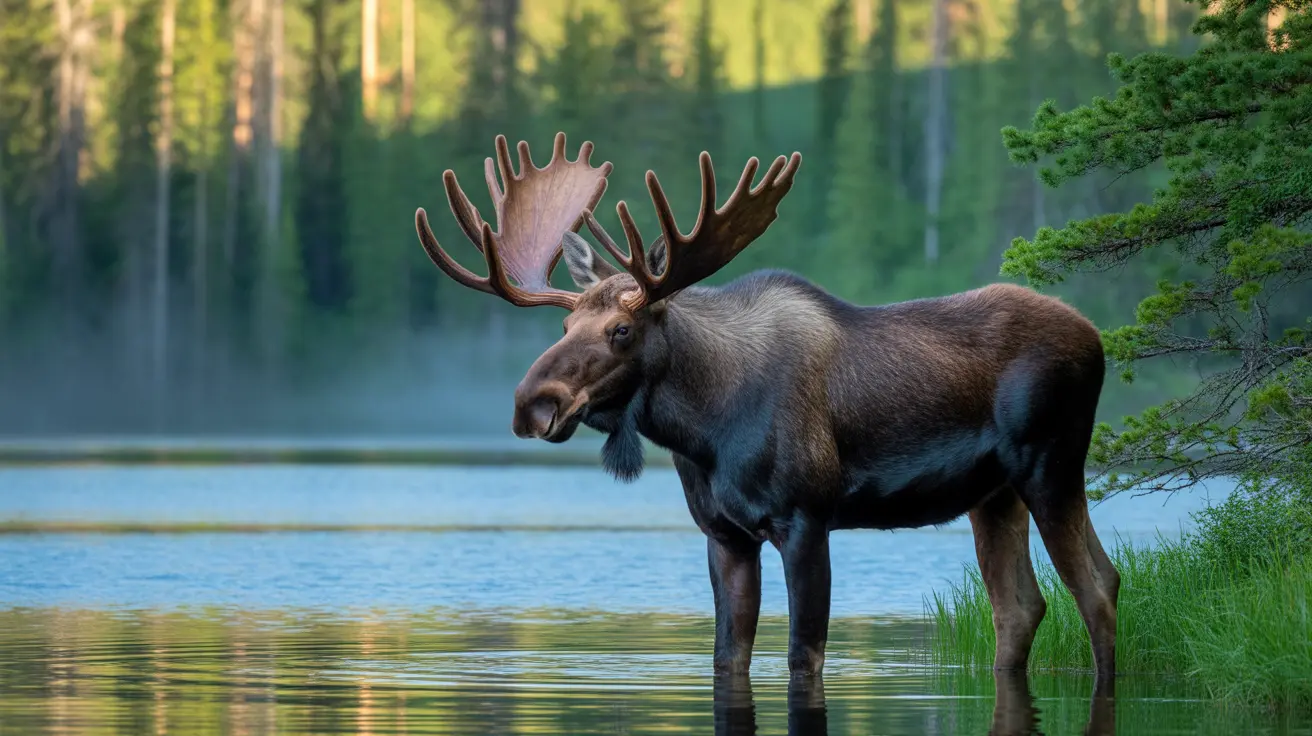
Pet leash laws Alaska vary by municipality but become critically important given the state's wildlife populations. In areas with frequent moose sightings Alaska, unleashed dogs can trigger dangerous encounters. Moose, despite their peaceful appearance, can become aggressive when they perceive dogs as threats, particularly during calving season or winter months when they're stressed.
Responsible pet owners should maintain control of their animals at all times, especially during wildlife viewing Alaska activities. Many popular hiking trails and parks require leashes not only for pet safety but to prevent harassment of wildlife that could result in dangerous situations for both animals and humans.
Alaska Wildlife Conservation Center: Educational Alternatives
For those fascinated by Alaska's native species, the Alaska Wildlife Conservation Center offers incredible opportunities to observe animals up close without the complications of private ownership. This facility provides educational experiences while supporting wildlife rehabilitation and conservation efforts. Visitors can learn about bear encounters Alaska tours and other wildlife experiences that satisfy curiosity while supporting conservation.
Pet Safety Wildlife Alaska: Practical Considerations
Pet safety wildlife Alaska requires year-round vigilance. Winter months bring unique challenges as wildlife may venture closer to human settlements seeking food sources. Summer hiking seasons require careful planning to avoid areas with high concentrations of bears or other potentially dangerous wildlife.
Pet owners should invest in proper identification tags, GPS collars for outdoor adventures, and emergency supplies. Understanding animal behavior patterns and seasonal wildlife movements helps prevent accidental encounters that could endanger pets.
Dangerous Pets Alaska: What's Prohibited
Alaska's list of dangerous pets Alaska includes many species that might be legal in other states. Large carnivores, venomous reptiles, and certain exotic mammals are typically prohibited. The state's remote location and extreme weather conditions make emergency veterinary care for unusual species particularly challenging.
Before considering any non-traditional pet, research wildlife habitat protection pets regulations and consult with local authorities about current restrictions. Regulations can change, and what might be permissible in one borough may be prohibited in another.
Frequently Asked Questions
- What exotic pets are legal to own in Alaska?
Alaska allows certain exotic pets including some reptiles, birds, and small mammals, but regulations vary by location. Contact your local Alaska Department of Fish and Game office for current lists of permitted species. Always verify requirements before acquiring any exotic animal.
- Can I keep native Alaskan wildlife as pets?
No, keeping native Alaskan wildlife as pets is generally prohibited without special permits that are rarely issued to private individuals. This includes popular species like foxes, bears, moose, and most native birds. These regulations protect both wildlife populations and public safety.
- How do I prevent my pet from harming local wildlife?
Keep pets on leashes or in secure enclosures, especially during wildlife active periods like dawn and dusk. Properly dispose of pet waste, secure garbage that might attract wildlife to your property, and supervise outdoor time. Training your pet to respond reliably to recall commands is essential for their safety.
Conclusion
Understanding Alaska legal pets regulations and wildlife safety requirements is essential for responsible pet ownership in the Last Frontier. The state's unique environment demands extra consideration for both pet safety and wildlife conservation. By respecting native wildlife protection Alaska laws and following proper pet safety wildlife Alaska guidelines, pet owners can enjoy Alaska's incredible natural beauty while keeping their companions safe.
Whether you're a longtime Alaskan resident or considering relocating with pets, staying informed about current regulations and seasonal wildlife patterns will help ensure positive experiences for everyone. Alaska's magnificent wildlife deserves our protection, and responsible pet ownership plays a crucial role in maintaining the delicate balance between human activities and natural ecosystems.




