
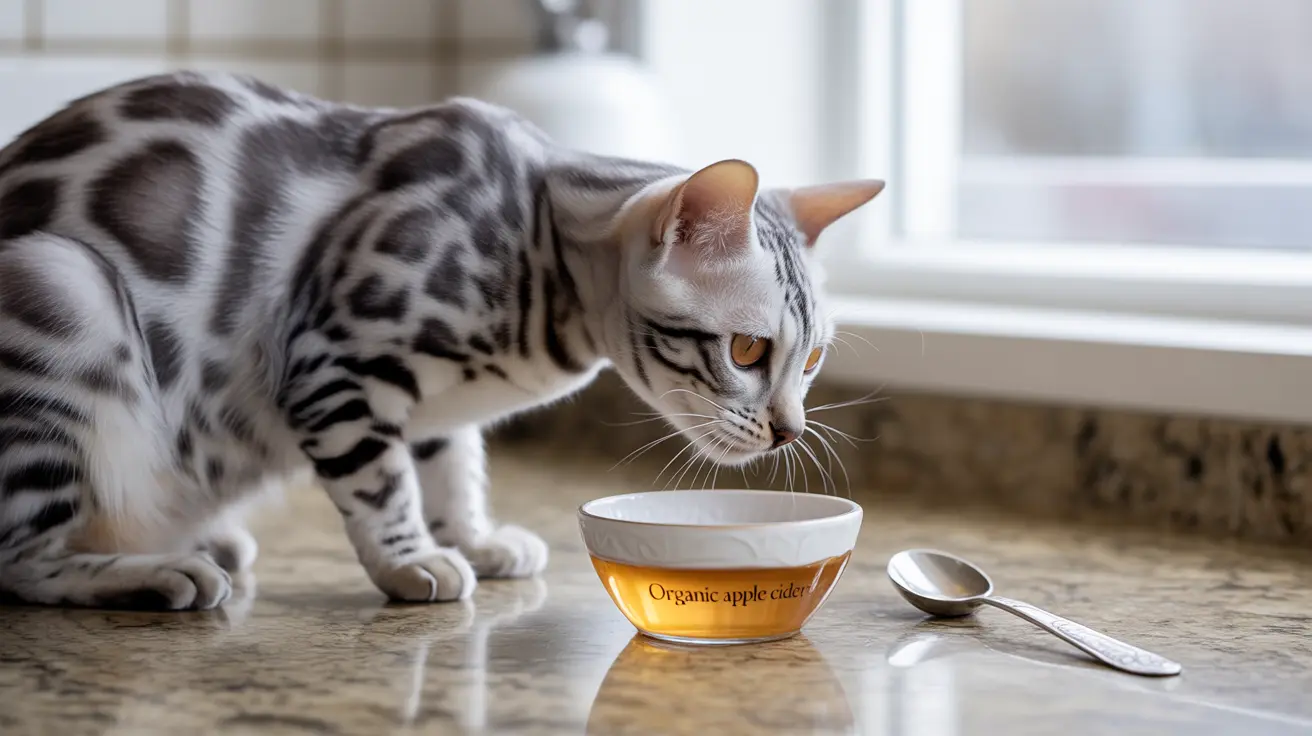
Before introducing any new substance into your cat’s routine, it’s essential to understand how it interacts with their unique biology. Cats have a more sensitive digestive system and a liver that processes substances differently than humans or dogs. This means that even natural products can pose risks if used incorrectly. In this article, we’ll explore the potential benefits and dangers of apple cider vinegar for cats, how to use it safely if at all, and what alternatives might be better suited for feline care. By the end, you’ll have a clear, evidence-based understanding of whether ACV deserves a place in your cat’s wellness routine.
Potential Benefits of Apple Cider Vinegar for Cats
Supporters of apple cider vinegar for pets often highlight its antibacterial and antifungal properties. When diluted properly, ACV may help clean minor wounds or soothe itchy skin caused by mild allergies or insect bites. Some pet owners also use it as a natural flea deterrent, believing that the vinegar’s acidity makes a cat’s coat less appealing to pests. Additionally, a few anecdotal reports suggest that small amounts of diluted ACV might help maintain urinary tract health by slightly acidifying the urine, which can discourage bacterial growth. However, these claims are largely based on personal experiences rather than controlled veterinary studies.
When used externally, apple cider vinegar can sometimes serve as a gentle cleanser for a cat’s coat or paws, especially if they’ve come into contact with dirt or allergens. It may also help neutralize odors without relying on harsh chemicals. Still, it’s crucial to remember that cats groom themselves frequently, and any residue left on their fur will likely be ingested. Therefore, even topical use should be approached with caution and only after consulting a veterinarian. The potential benefits of ACV are modest and situational, and they never replace proper medical treatment or preventive care.
For cat owners interested in natural remedies, ACV can be part of a broader holistic approach—but only under professional guidance. Veterinarians who practice integrative medicine sometimes recommend diluted apple cider vinegar as a short-term topical rinse for specific skin conditions. In these cases, the concentration and frequency are carefully controlled to avoid irritation. Used responsibly, ACV might offer mild support for skin and coat health, but it should never be viewed as a cure-all or a substitute for prescribed medications.
Risks and Side Effects of Apple Cider Vinegar in Cats
Despite its natural origin, apple cider vinegar can pose serious risks to cats if used improperly. The acetic acid that gives vinegar its tangy flavor is highly irritating to feline skin and mucous membranes. Undiluted ACV can cause burns, redness, and discomfort when applied directly to the skin. If ingested in significant amounts, it may upset a cat’s stomach, leading to vomiting, diarrhea, or loss of appetite. Cats with preexisting health conditions—such as kidney disease, diabetes, or gastrointestinal issues—are particularly vulnerable to these side effects. Even small doses can disrupt their delicate internal balance.
Another concern is the potential for ACV to alter a cat’s urinary pH. While some believe that acidifying the urine can prevent infections, excessive acidity can actually worsen urinary problems or contribute to the formation of crystals and stones. This is especially dangerous for male cats, who are more prone to urinary blockages. Additionally, the strong smell and taste of vinegar can cause stress or aversion, leading cats to avoid food or grooming areas where ACV has been used. In some cases, repeated exposure may even damage tooth enamel or irritate the throat.
Because of these risks, veterinarians generally advise against giving apple cider vinegar internally to cats. Even topical use should be limited to specific circumstances and always under professional supervision. If your cat shows any signs of discomfort—such as excessive scratching, drooling, or lethargy—after contact with ACV, discontinue use immediately and seek veterinary care. The potential harms often outweigh the unproven benefits, making caution the best approach when considering this home remedy.
Safe Ways to Use Apple Cider Vinegar (If Approved by a Vet)
If your veterinarian determines that apple cider vinegar could be helpful for your cat, it must be used in a highly diluted form. A common guideline is to mix one part ACV with at least four parts water before applying it externally. This diluted solution can be gently dabbed onto affected areas using a soft cloth or cotton ball. It should never be poured directly onto the skin or added to a cat’s drinking water without explicit veterinary approval. Always perform a patch test first by applying a small amount to a limited area and observing for any signs of irritation over 24 hours.
When used as a cleaning agent for your cat’s environment, apple cider vinegar can be safer. A diluted mixture can help disinfect litter boxes, food bowls, or bedding surfaces without leaving harmful residues. However, ensure that all items are thoroughly rinsed and dried before allowing your cat to use them again. The goal is to minimize any chance of ingestion or inhalation. ACV can also be used as part of a natural household cleaning routine, reducing reliance on chemical cleaners that might be toxic to pets.
- Always dilute ACV heavily before any use around cats.
- Never apply undiluted vinegar directly to skin or fur.
- Do not add ACV to food or water unless prescribed by a vet.
- Monitor your cat closely for any adverse reactions.
- Consult your veterinarian before starting or continuing use.
By following these precautions, you can reduce the likelihood of harm while exploring whether ACV offers any mild benefits for your cat. Still, it’s important to remember that professional veterinary care should always take precedence over home remedies. If your cat suffers from chronic skin or urinary issues, a targeted medical approach will be far more effective than relying on vinegar-based treatments.
Alternatives to Apple Cider Vinegar for Feline Health
For cat owners seeking natural or gentle care options, there are safer alternatives to apple cider vinegar. Coconut oil, for example, can help moisturize dry skin and may have mild antibacterial properties without the harsh acidity of vinegar. Oatmeal-based shampoos are another soothing option for cats with sensitive skin or mild itching. For flea control, veterinary-approved topical treatments or oral medications remain the most reliable and safe methods. Natural flea repellents containing cat-safe essential oils, such as cedarwood or lemongrass, can sometimes be used under professional supervision, though even these require caution.
When it comes to urinary health, the best preventive measures are proper hydration and a balanced diet. Feeding your cat high-quality wet food can help maintain optimal urinary tract function by increasing water intake. Some veterinarians may recommend specialized urinary diets that regulate pH naturally, reducing the risk of infections or crystal formation. Supplements containing cranberry extract or D-mannose are occasionally used to support urinary health, but these should only be given under veterinary guidance to ensure safety and effectiveness.
Ultimately, the safest approach to feline wellness combines preventive care, regular checkups, and evidence-based treatments. While natural remedies can complement traditional medicine, they should never replace it. By focusing on nutrition, hydration, and environmental enrichment, you can support your cat’s overall well-being without resorting to potentially harmful substances like undiluted apple cider vinegar. The key is balance—using natural solutions responsibly while prioritizing your cat’s comfort and safety.
Proceed with Caution and Professional Guidance
Apple cider vinegar may have a reputation as a natural cure-all, but when it comes to cats, its use demands extreme caution. While diluted ACV might offer limited benefits for minor skin issues or as a cleaning aid, the potential for irritation, digestive upset, and urinary complications is significant. Cats are far more sensitive to acidic substances than humans, and even small missteps in dosage or application can lead to discomfort or harm. Therefore, any use of apple cider vinegar should always be discussed with a qualified veterinarian who understands your cat’s specific health needs.
In the end, the safest path is prevention and professional care. Focus on providing a balanced diet, clean environment, and regular veterinary checkups. If you’re drawn to natural remedies, explore safer alternatives that have been tested for feline use. Apple cider vinegar can play a minor role in certain situations, but it should never be your first line of defense. With informed choices and expert guidance, you can keep your cat healthy, comfortable, and free from unnecessary risks.
FAQ
Can I put apple cider vinegar in my cat’s water bowl?
No, you should never add apple cider vinegar to your cat’s drinking water without veterinary approval. Cats are highly sensitive to taste and smell, and even a small amount of vinegar can make them refuse to drink, leading to dehydration. Additionally, ingesting vinegar can upset their stomach or alter urinary pH, potentially causing health problems. If you’re considering ACV for urinary support, consult your vet for safer, evidence-based alternatives such as specialized diets or supplements.
Is apple cider vinegar safe for treating fleas on cats?
While some pet owners use diluted apple cider vinegar as a flea deterrent, it is not an effective or reliable treatment. Vinegar may temporarily repel fleas but will not kill them or their eggs. Moreover, applying ACV directly to your cat’s skin can cause irritation or dryness. The safest and most effective flea control methods are veterinarian-approved topical or oral medications. If you prefer natural options, ask your vet about cat-safe essential oil sprays or flea combing routines that avoid harsh chemicals.
Can apple cider vinegar help with my cat’s urinary tract infections?
There is no scientific evidence that apple cider vinegar can treat urinary tract infections (UTIs) in cats. In fact, using it internally may worsen the condition by making the urine too acidic. UTIs require prompt veterinary attention and are best treated with antibiotics or prescription diets designed to restore urinary balance. If your cat shows signs of a UTI—such as frequent urination, straining, or blood in the urine—seek professional care immediately rather than attempting home remedies.
How should I dilute apple cider vinegar for safe use on cats?
If your veterinarian approves topical use, a safe dilution ratio is typically one part apple cider vinegar to four or five parts water. This mixture can be applied gently with a cotton ball to small areas of the skin. Always avoid open wounds, eyes, and sensitive regions. After application, monitor your cat closely for any signs of irritation or discomfort. If redness, scratching, or swelling occurs, rinse the area thoroughly with water and discontinue use immediately.
Can I use apple cider vinegar to clean my cat’s ears?
It’s not recommended to use apple cider vinegar for ear cleaning. The ear canal is delicate, and even diluted vinegar can cause pain or inflammation. Instead, use a veterinarian-approved ear cleaner specifically formulated for cats. These products are pH-balanced and safe for regular use. If your cat has excessive wax, odor, or discharge, it may indicate an infection or ear mites, both of which require professional diagnosis and treatment rather than home remedies.
What are the signs that my cat is reacting badly to apple cider vinegar?
Adverse reactions can include excessive scratching, redness, drooling, vomiting, or refusal to eat or drink. Some cats may also become unusually lethargic or hide due to discomfort. If you notice any of these symptoms after using apple cider vinegar, stop immediately and contact your veterinarian. Even mild irritation can escalate quickly in cats, so early intervention is essential. Always err on the side of caution when experimenting with any new product around your pet.
Are there any cats that should never be exposed to apple cider vinegar?
Yes, cats with kidney disease, diabetes, or gastrointestinal disorders should never be exposed to apple cider vinegar. Their systems are already under stress, and the acidity of vinegar can exacerbate existing conditions. Kittens and elderly cats are also more vulnerable to irritation and dehydration. For these groups, even diluted ACV poses unnecessary risks. Always inform your veterinarian about your cat’s full medical history before trying any home remedy, including natural substances like vinegar.
Can apple cider vinegar help with my cat’s bad breath?
Although some people claim that apple cider vinegar can freshen breath, it’s not suitable for cats. Bad breath in cats is usually a sign of dental disease, infection, or digestive issues that require veterinary care. Giving vinegar internally can irritate the mouth and stomach, worsening the problem. The best way to address feline halitosis is through regular dental checkups, professional cleanings, and proper oral hygiene at home using cat-safe toothpaste and dental treats.
Is organic apple cider vinegar safer for cats than regular vinegar?
Organic apple cider vinegar may contain fewer additives, but it is not inherently safer for cats. The acetic acid content—the component that poses risks—remains the same regardless of whether the vinegar is organic or conventional. The key factor is dilution and proper use, not the source of the vinegar. Always prioritize veterinary guidance over product marketing claims when deciding whether to use any form of ACV around your cat.
What should I do if my cat accidentally licks apple cider vinegar?
If your cat licks a small amount of diluted apple cider vinegar, monitor them closely for signs of distress such as drooling, gagging, or vomiting. Offer fresh water to help rinse the mouth and dilute any acidity. If symptoms persist or your cat ingests a larger quantity, contact your veterinarian immediately. Vinegar ingestion can cause gastrointestinal irritation or more serious complications depending on the cat’s health status and the concentration consumed.




