
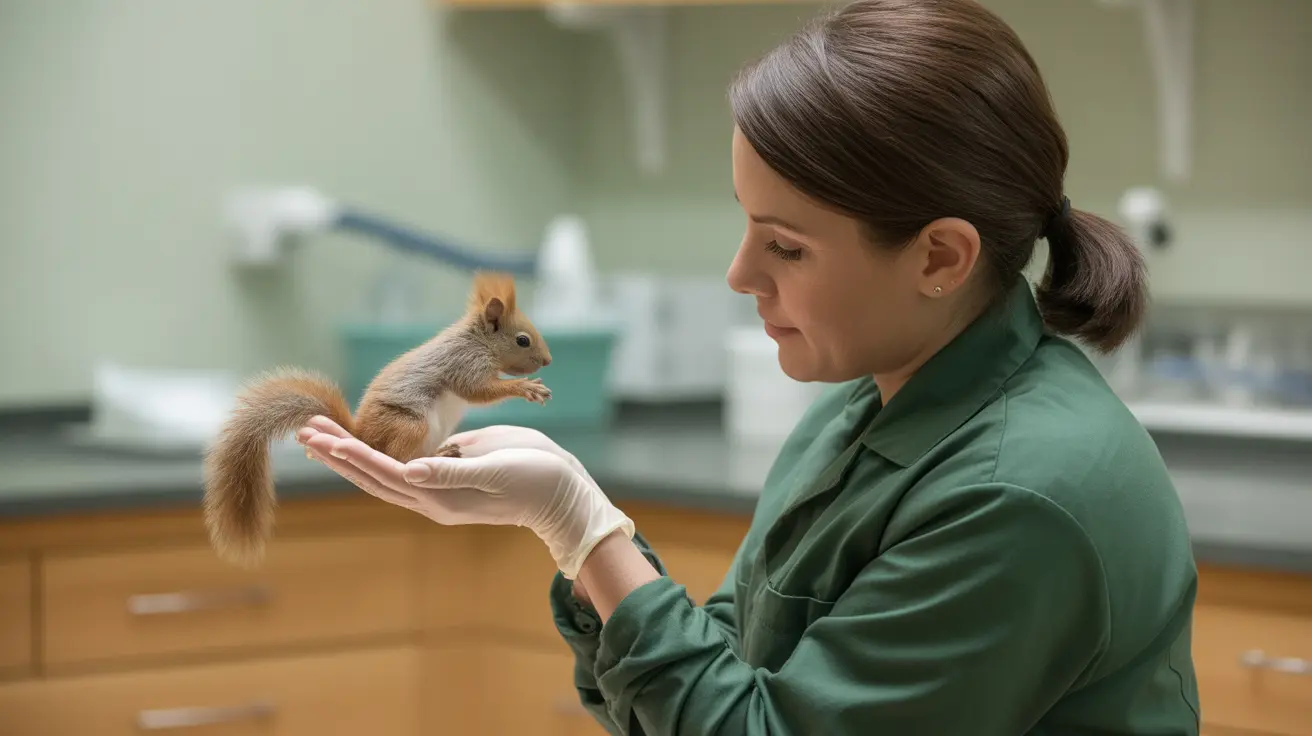
The arrival of spring signals the beginning of baby animal season at Humane Animal Rescue of Pittsburgh's wildlife center, a critical time when orphaned and injured baby wildlife flood into the facility. This annual phenomenon transforms the rescue center into a bustling nursery where dedicated staff and volunteers work around the clock to care for Pennsylvania's most vulnerable wildlife babies.
During this peak period, the Pittsburgh wildlife center becomes a lifeline for countless orphaned baby animals, from tiny squirrels to helpless songbirds. Understanding what baby animal season entails and how pet owners can help ensures these vulnerable creatures receive the specialized care they desperately need to survive and return to the wild.
Understanding Baby Wildlife Rehabilitation Season
Baby animal season typically begins in early spring and extends through late summer, coinciding with the natural breeding cycles of Pennsylvania's native wildlife. During this time, Humane Animal Rescue Pittsburgh experiences a dramatic increase in admissions as orphaned baby animals arrive at their wildlife rescue center daily.
The facility's experienced rehabilitation team handles everything from baby squirrels rescue operations to caring for injured fledgling birds. Each species requires specialized knowledge, proper nutrition, and species-appropriate housing to ensure successful rehabilitation and eventual release back into the wild.
How Spring Baby Animals End Up at Rescue Centers
Several factors contribute to the influx of orphaned wildlife during baby season. Tree trimming and construction activities often disturb nests, separating mothers from their young. Severe weather can destroy habitats, while domestic cats and dogs sometimes bring injured baby animals to their owners' attention.
Well-meaning individuals also mistakenly "rescue" baby animals that aren't actually orphaned. Mother animals often leave their young alone while foraging, which is completely natural behavior. This is why wildlife experts emphasize the importance of observing from a distance before intervening.
What to Do with Found Baby Animal: Expert Guidelines
If you discover what appears to be an orphaned baby animal near Pittsburgh, resist the immediate urge to intervene. Many baby animals that seem abandoned are actually being cared for by their mothers, who may be nearby but hidden from view.
First, ensure your pets are safely indoors and observe the baby animal from a distance for several hours. If the mother doesn't return, or if the animal appears injured, contact the wildlife rescue center immediately for guidance. Never attempt to feed or handle wild baby animals yourself, as improper care can cause more harm than good.
When Professional Help Is Needed
Certain situations require immediate professional intervention. Contact Humane Animal Rescue Pittsburgh if you find baby animals that are clearly injured, covered in flies or ants, brought to you by a cat or dog, or found near a deceased parent. Additionally, baby birds on the ground who cannot stand or have no feathers need immediate rescue center attention.
How to Help Baby Wildlife Beyond Rescue Situations
Supporting baby wildlife goes beyond rescue situations. Pet owners can create wildlife-friendly environments by keeping cats indoors during baby season, avoiding tree trimming during nesting season, and maintaining native plants that provide food sources for wildlife families.
Volunteer wildlife rescue Pittsburgh programs offer hands-on opportunities to support rehabilitating orphaned wildlife. From preparing specialized diets to cleaning enclosures, volunteers play crucial roles in ensuring baby animals receive proper care during their most vulnerable stages.
The Rehabilitation Process at Pittsburgh's Wildlife Center
Successful wildlife rehabilitation requires species-specific expertise and facilities. The wildlife rescue center maintains specialized nurseries with appropriate temperature control, feeding schedules, and enrichment activities that prepare baby animals for eventual release.
Staff members undergo extensive training in wildlife care techniques, from hand-feeding formulas to recognizing signs of illness or stress. The ultimate goal remains returning healthy, wild-behaving animals to their natural habitats once they're capable of surviving independently.
Frequently Asked Questions
What is baby animal season at wildlife rescue centers?
Baby animal season is the peak period from spring through late summer when wildlife rescue centers experience their highest admissions of orphaned and injured baby animals. During this time, Humane Animal Rescue Pittsburgh's wildlife center cares for hundreds of young animals requiring specialized rehabilitation before release.
How can I help if I find an orphaned baby animal near Pittsburgh?
First, observe from a distance for several hours to ensure the animal is truly orphaned. Keep pets indoors and avoid direct contact. If the mother doesn't return or the animal appears injured, contact Humane Animal Rescue Pittsburgh's wildlife center immediately for professional guidance rather than attempting care yourself.
What types of baby wildlife are rescued during spring at Humane Animal Rescue of Pittsburgh?
The wildlife center receives various species including baby squirrels, songbirds, raptors, opossums, raccoons, and other Pennsylvania native wildlife. Each species requires specialized care protocols, appropriate nutrition, and species-specific rehabilitation techniques to ensure successful return to the wild.
Baby animal season represents both a challenging and rewarding time for wildlife rehabilitation centers. By understanding how to properly respond to encounters with baby wildlife and supporting local rescue efforts, pet owners and community members can help ensure Pennsylvania's native animals receive the care they need during their most vulnerable life stage.




