
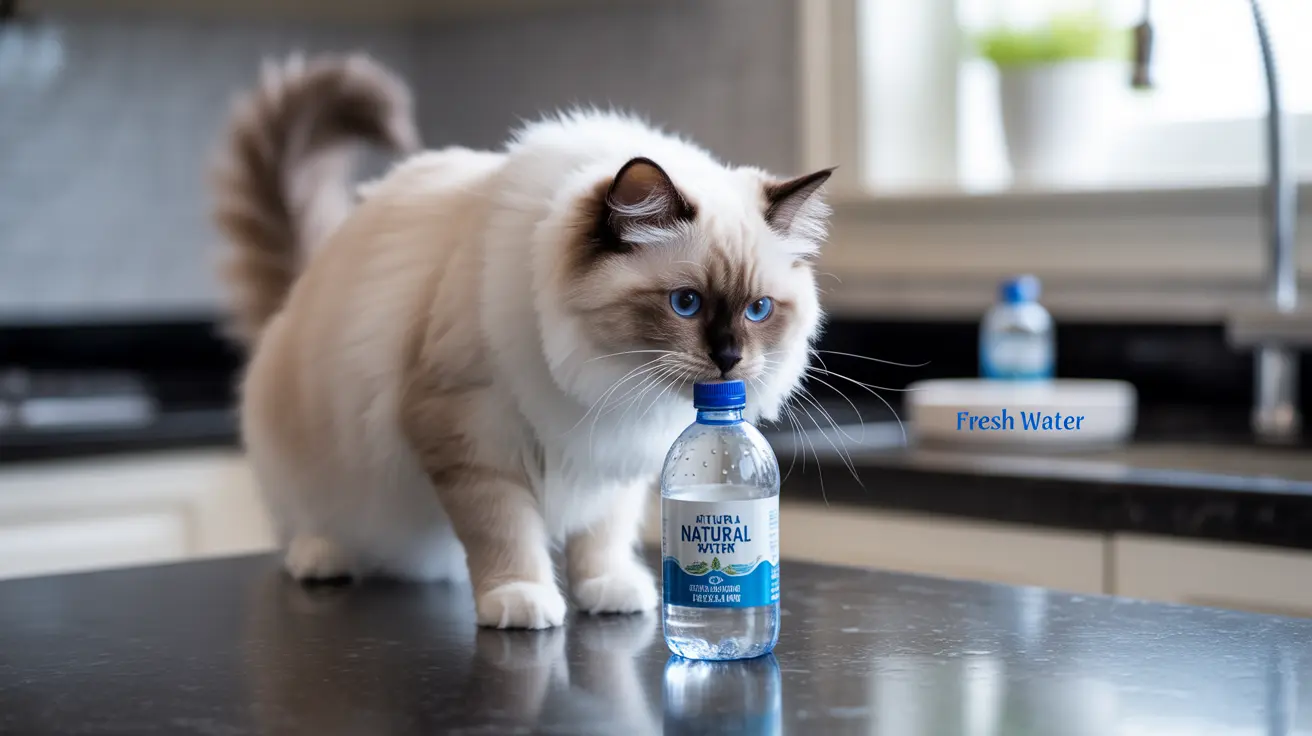
Before switching your cat’s water source, it’s important to understand what bottled water actually offers. Not all bottled waters are the same—some are purified, others are spring-based, and a few contain added minerals. Each type can affect your cat differently depending on its mineral content and pH balance. Cats are sensitive to taste and smell, so even subtle differences in water composition can influence how much they drink. Understanding these nuances helps you make an informed choice that supports your cat’s health rather than complicating it.
Hydration plays a particularly critical role for cats prone to urinary crystals or kidney disease. Veterinarians often emphasize that the best water is the one your cat will drink consistently. Whether that’s tap, filtered, or bottled depends on your local water quality and your cat’s preferences. The goal is not to chase trends but to ensure your pet stays hydrated and healthy every day.
Types of Bottled Water and Their Effects on Cats
Bottled water comes in several varieties, each processed differently. The most common types include spring water, purified water, distilled water, and mineral water. Spring water is sourced from natural underground springs and typically contains trace minerals. Purified water undergoes filtration processes like reverse osmosis or deionization to remove impurities. Distilled water is boiled and condensed, leaving it free of minerals, while mineral water contains naturally occurring or added minerals such as calcium and magnesium. Each type has potential benefits and drawbacks for cats depending on their health needs and taste preferences.
For most cats, purified or spring water is the safest choice. These options are free from harmful contaminants but still contain a balanced mineral profile. Distilled water, though extremely pure, lacks essential minerals and can sometimes alter a cat’s electrolyte balance if used exclusively over long periods. Mineral water, on the other hand, may contain too much sodium or calcium, which could contribute to urinary issues in sensitive cats. Therefore, moderation and balance are key when selecting bottled water for your feline companion.
When choosing bottled water, always check the label for mineral content and source. Avoid brands that add flavorings or carbonation, as these can upset your cat’s stomach. If your local tap water has a strong chlorine smell or visible sediment, switching to bottled or filtered water can encourage your cat to drink more. The goal is to find a clean, neutral-tasting water that supports hydration without introducing unnecessary additives or imbalances.
Comparing Bottled Water, Tap Water, and Filtered Water
Deciding between bottled, tap, and filtered water depends largely on your local water quality and your cat’s health. Tap water in many regions is safe for human consumption, but it may contain chlorine, fluoride, or trace metals that can affect a cat’s taste sensitivity. Filtered water, produced through home filtration systems, removes many of these impurities while retaining beneficial minerals. Bottled water offers convenience and consistency, but its environmental impact and cost can be significant over time. Understanding the differences helps you choose the most practical and health-conscious option for your pet.
Veterinarians generally recommend filtered water as the best long-term solution for most cats. It provides a balance between purity and mineral content without the waste associated with single-use bottles. However, bottled water can be useful when traveling, during emergencies, or if your local tap water is known to be poor quality. The key is to ensure that whichever water source you choose, it remains fresh and accessible at all times. Cats are more likely to drink when their water is clean, cool, and placed away from food or litter areas.
- Tap water: Convenient and inexpensive but may contain chlorine or heavy metals.
- Filtered water: Removes impurities while maintaining essential minerals; ideal for daily use.
- Bottled water: Consistent quality and taste but less eco-friendly and more costly.
- Distilled water: Very pure but lacks minerals; not recommended for exclusive use.
- Spring water: Natural and mineral-rich but varies by brand and source.
By comparing these options, you can tailor your cat’s hydration plan to their specific needs and your household’s circumstances. The next step is learning how to introduce bottled or filtered water effectively so your cat accepts it without stress.
How to Introduce Bottled Water to Your Cat
Cats can be cautious about changes in their environment, including their water source. If you decide to switch to bottled water, do so gradually to avoid rejection. Start by mixing small amounts of bottled water with your cat’s usual water, increasing the ratio over several days. This slow transition helps your cat adjust to any differences in taste or smell. Always serve water at room temperature or slightly cool, as extreme temperatures can discourage drinking. Clean the bowl daily to prevent bacterial buildup and ensure the water remains appealing.
Some cats prefer running water, which mimics natural streams. Using a pet water fountain can make bottled or filtered water more enticing. The gentle movement keeps the water oxygenated and fresh, encouraging your cat to drink more frequently. You can also experiment with different bowl materials—ceramic, stainless steel, or glass—to find what your cat likes best. Plastic bowls can retain odors and should generally be avoided for long-term use.
If your cat still resists drinking, try placing multiple water stations around your home. Cats often drink more when water is easily accessible in quiet, low-traffic areas. You can also add a bit of tuna juice or low-sodium chicken broth to the water occasionally to enhance flavor. Once your cat is drinking regularly, maintain consistency in the water type and routine to support ongoing hydration and kidney health.
Environmental and Practical Considerations
While bottled water can seem like a simple solution, it’s important to consider its environmental and financial implications. Single-use plastic bottles contribute significantly to waste and pollution. Even if you recycle, the production and transportation of bottled water have a large carbon footprint. For eco-conscious pet owners, investing in a high-quality home filtration system is a more sustainable alternative. It provides clean water without the recurring cost or environmental burden of bottled products.
From a practical standpoint, bottled water can still play a role in specific situations. It’s useful during travel, power outages, or when your local water supply is temporarily unsafe. Keeping a small stock of bottled water for emergencies ensures your cat always has access to clean hydration. However, for everyday use, filtered tap water is usually the most balanced choice in terms of quality, cost, and sustainability.
- Use bottled water temporarily during travel or emergencies.
- Invest in a reusable filtration system for daily use.
- Recycle bottles responsibly if you must use them.
- Monitor your cat’s drinking habits regardless of water source.
- Consult your vet if your cat shows signs of dehydration or urinary issues.
Balancing convenience, health, and environmental responsibility allows you to make the best decision for both your cat and the planet. The final consideration is understanding how to maintain long-term hydration habits that support your cat’s overall well-being.
Choosing the Best Water for Your Cat
Ultimately, the best water for your cat is clean, safe, and appealing enough to encourage regular drinking. Bottled water can be a good option in certain circumstances, especially if your tap water quality is questionable or your cat prefers its taste. However, filtered tap water often provides the same benefits at a lower cost and with less environmental impact. The key is consistency—whichever water source you choose, stick with it and ensure it’s always fresh and accessible.
Hydration is a cornerstone of feline health, influencing everything from kidney function to energy levels. By understanding the differences between water types and observing your cat’s preferences, you can create a hydration routine that supports long-term wellness. Whether you rely on bottled, filtered, or tap water, your attention to quality and freshness will make the biggest difference in your cat’s life.
FAQ
Is bottled water safer for cats than tap water?
Bottled water can be safer if your local tap water contains high levels of chlorine, fluoride, or heavy metals. However, in most areas where tap water meets safety standards, filtered tap water is equally safe and more sustainable. The main advantage of bottled water is consistency—it’s free from sudden changes in taste or chemical composition that might occur in municipal supplies. Always check labels to ensure the bottled water doesn’t contain added sodium or flavorings, which can upset your cat’s stomach. For everyday use, filtered water is usually the best balance of safety and practicality.
Can cats drink distilled water?
Distilled water is extremely pure, but it lacks minerals that are beneficial for maintaining a cat’s electrolyte balance. While occasional use is fine, exclusive reliance on distilled water can lead to mineral deficiencies over time. Cats need trace amounts of calcium, magnesium, and potassium, which are absent in distilled water. If you must use distilled water temporarily, such as during travel or emergencies, it’s safe for short periods. For long-term hydration, choose purified or spring water that retains a natural mineral balance closer to what cats need.
How much water should my cat drink each day?
On average, cats should consume about 60–80 milliliters of water per kilogram of body weight daily. This includes moisture from food, especially if your cat eats wet food. Cats on dry kibble diets need to drink more water to compensate for the lack of moisture in their meals. Factors such as age, activity level, and health conditions also influence water needs. Always provide multiple sources of fresh water and monitor your cat’s drinking habits. A sudden decrease in water intake can signal illness and should prompt a veterinary checkup.
Do cats prefer cold or room-temperature water?
Most cats prefer water that is cool but not icy. Extremely cold water can discourage drinking, while room-temperature water may be more comfortable for daily hydration. You can experiment to see what your cat likes best—some cats enjoy slightly chilled water, especially in warm weather. The most important factor is freshness. Replace the water at least once or twice a day, and wash the bowl regularly to prevent bacterial buildup. Cats are sensitive to smell, so even minor contamination can make them avoid drinking altogether.
Is mineral water good for cats?
Mineral water can be safe for cats in moderation, but it depends on the mineral content. High levels of sodium, calcium, or magnesium can contribute to urinary crystals or kidney strain in sensitive cats. Always check the label before offering mineral water. If the mineral content is low and balanced, it can be a fine occasional option. However, purified or spring water is generally safer for daily use because it provides hydration without the risk of excessive mineral intake. When in doubt, consult your veterinarian for guidance based on your cat’s health history.
Can bottled water help cats with urinary problems?
For cats prone to urinary tract issues, clean and consistent hydration is crucial. Bottled water can help if it encourages your cat to drink more, especially if your tap water has a strong odor or taste that deters them. However, the type of bottled water matters—avoid mineral or distilled varieties. Purified or spring water with balanced mineral content is ideal. Increasing water intake dilutes urine, reducing the risk of crystal formation and urinary blockages. Pairing bottled water with a moisture-rich diet, such as wet food, further supports urinary health.
How can I encourage my cat to drink more water?
Encouraging hydration often requires creativity. Try offering multiple water bowls in different locations, using a pet fountain, or experimenting with bowl materials. Some cats prefer ceramic or glass bowls because they don’t retain odors. You can also add a small amount of tuna water or low-sodium chicken broth to make the water more appealing. Keeping the water fresh and clean is essential—cats are more likely to drink when the water smells neutral and looks clear. Regularly observing your cat’s drinking habits helps you identify what works best for them.
Is bottled water worth the cost for cats?
Bottled water can be convenient, but it’s not always necessary for daily use. The cost adds up quickly, and the environmental impact of plastic bottles is significant. If your tap water is safe and you use a good filter, you can achieve the same quality at a fraction of the price. Bottled water is best reserved for travel, emergencies, or situations where tap water quality is questionable. For most households, filtered tap water provides the same health benefits for cats without the ongoing expense or waste associated with bottled options.
Can I mix bottled water with tap water for my cat?
Yes, mixing bottled and tap water is a practical way to transition your cat to a new water source or improve taste without waste. Gradually blending the two helps your cat adjust to any flavor differences. This approach also stretches your bottled water supply and reduces environmental impact. Just ensure both sources are safe and clean. If your tap water has a strong chlorine odor, let it sit uncovered for a few hours before mixing to allow the chlorine to dissipate. Over time, you can adjust the ratio based on your cat’s preference and health needs.
What signs indicate my cat isn’t drinking enough water?
Dehydration in cats can manifest subtly. Common signs include lethargy, dry gums, sunken eyes, and reduced skin elasticity. You might also notice smaller or less frequent urination, or your cat may avoid the litter box altogether. Chronic dehydration can lead to serious conditions like kidney disease or urinary blockages. If you suspect your cat isn’t drinking enough, increase water availability, switch to wet food, or try a fountain to encourage drinking. Persistent symptoms warrant a veterinary visit to rule out underlying health issues and ensure proper hydration management.




