
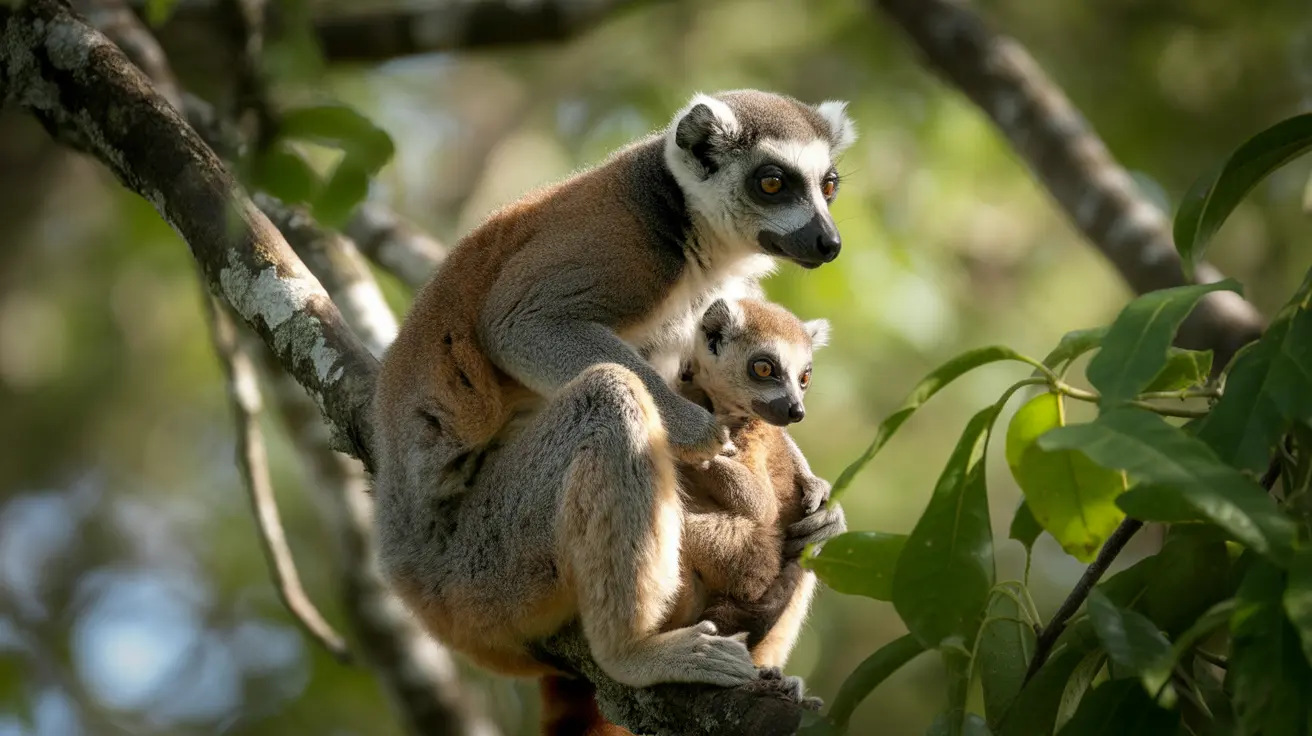
The Bronx Zoo baby animals have arrived just in time for spring 2026, bringing excitement and wonder to one of New York's most beloved wildlife destinations. This season's remarkable collection of newborns includes rare and endangered species that represent critical conservation successes for the zoo's breeding programs.
From tiny collared lemur babies to majestic Amur tiger cubs, these new arrivals offer visitors unique opportunities to witness some of the world's most fascinating species during their most vulnerable and adorable stages. For pet parents and animal enthusiasts alike, observing these babies provides valuable insights into animal behavior, development, and the importance of wildlife conservation efforts.
Madagascar Habitat Welcomes Collared Lemur Baby
The Madagascar habitat has become home to an incredibly precious collared lemur baby at Bronx Zoo. These endangered primates, native to Madagascar, represent one of the most successful conservation breeding efforts at the facility. The collared lemur baby Bronx Zoo visitors can now observe demonstrates the critical role zoos play in preserving threatened species.
Collared lemurs are known for their distinctive facial markings and social behaviors. Baby lemurs typically cling to their mothers for the first several weeks of life, making viewing opportunities both heartwarming and educational for families visiting the zoo.
Red Panda Cubs Bring Joy to Visitors
The red panda cubs Bronx Zoo has welcomed this spring continue the facility's impressive track record with this endangered species. Red pandas are among the most beloved animals in captivity, and cubs represent hope for the species' future survival in the wild.
These small mammals, often called "firefox" due to their russet coloring, are incredibly playful as youngsters. Visitors can expect to see the cubs engaging in climbing behaviors and following their mothers closely as they explore their habitat.
Wild Asia Celebrates Amur Tiger Cubs
The Amur tiger cubs represent one of the most significant conservation achievements at the zoo this year. These magnificent predators are among the world's most endangered big cats, making each successful birth a victory for global conservation efforts.
Young tigers are particularly active during cooler parts of the day, making early morning or late afternoon visits ideal for observing their playful interactions with siblings and attentive mothers.
Additional New Arrivals Across the Zoo
Beyond the headline-grabbing species, the southern white rhino calf adds to the zoo's impressive collection of African megafauna babies. Rhino calves are particularly entertaining to watch as they learn to navigate their environments and interact with adult herd members.
The Hoffmann's two-toed sloth babies showcase the remarkable diversity of the zoo's breeding programs, while the Brazilian ocelot kitten represents another conservation success story for this beautiful spotted wildcat species.
Conservation Breeding and Species Survival Plan Bronx Zoo Programs
These Bronx Zoo new arrivals 2026 represent more than just cute additions to the collection. Each birth is part of carefully managed Species Survival Plan Bronx Zoo participates in, designed to maintain genetic diversity and healthy populations of endangered species.
The endangered baby animals Bronx Zoo cares for serve as ambassadors for their wild counterparts, helping educate visitors about conservation challenges and inspiring support for wildlife protection efforts worldwide.
Bronx Zoo Visitor Tips for Viewing Babies
For the best experience viewing these new arrivals, consider visiting during weekdays when crowds are smaller. Many young animals are most active during cooler morning hours or late afternoon feeding times.
Bring binoculars for distant viewing opportunities, and remember that animal welfare always comes first – babies may not always be visible if they're resting or if mothers need privacy for nursing and bonding.
Frequently Asked Questions
Where can I see the new collared lemur baby at the Bronx Zoo?
The collared lemur baby can be viewed in the Madagascar habitat area of the zoo. These primates are typically most active during morning hours when temperatures are cooler and feeding occurs.
What are the new baby animals born at Bronx Zoo in spring 2026?
Spring 2026 arrivals include collared lemur babies, red panda cubs, Amur tiger cubs, a southern white rhino calf, Hoffmann's two-toed sloth babies, and a Brazilian ocelot kitten across various exhibits throughout the zoo.
How can I best view the red panda cubs and Amur tiger cubs at Bronx Zoo?
Red panda cubs are most active during cooler parts of the day, particularly early morning or late afternoon. Amur tiger cubs can be observed in the Wild Asia exhibit, with optimal viewing times typically occurring during feeding schedules or when mothers are encouraging play and exploration.
Why is the Bronx Zoo's breeding program important for endangered species like lemurs and rhinos?
The zoo's breeding programs participate in Species Survival Plans that maintain genetically diverse populations of endangered species, serving as insurance policies against extinction while supporting research and conservation efforts in the wild.
What are the best times and tips for visiting Bronx Zoo to see the new animal babies?
Visit during weekday mornings or late afternoons for smaller crowds and more active animals. Bring binoculars for better viewing, dress comfortably for walking, and remember that babies may not always be visible as they need rest and private time with their mothers for proper development.




