
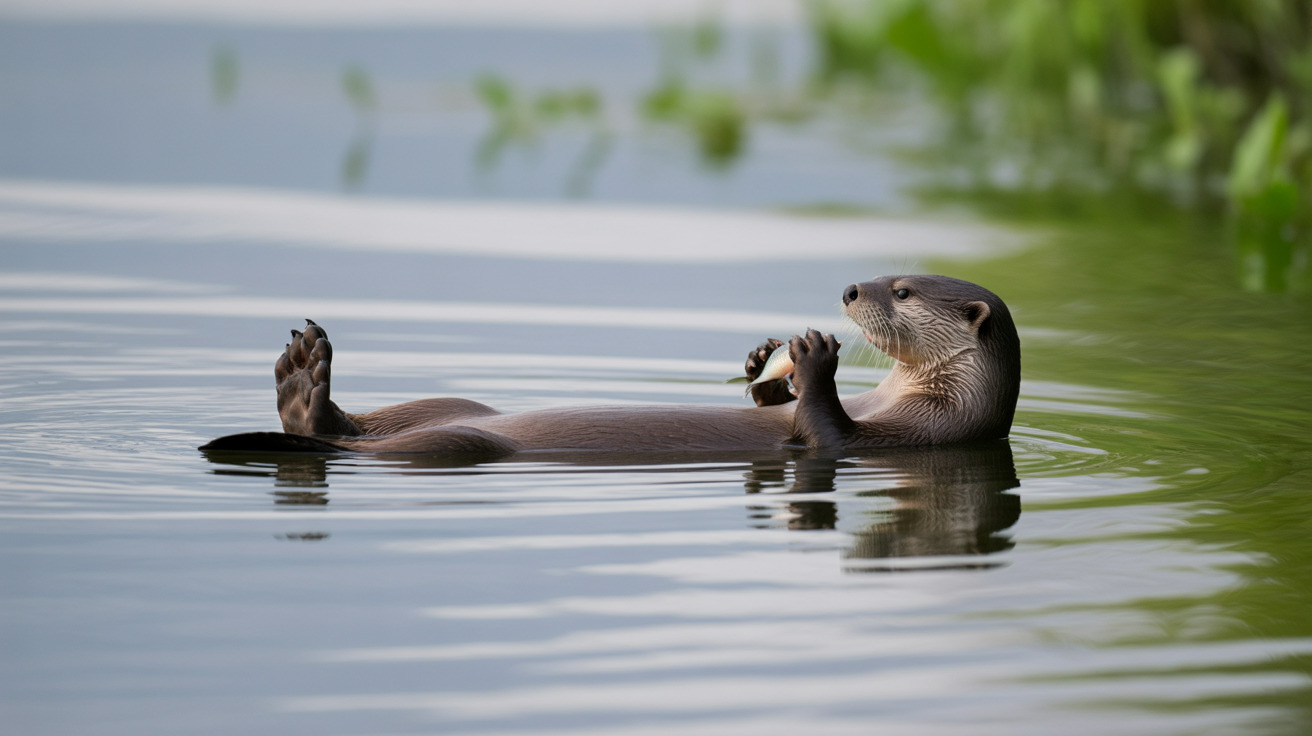
Sea Otter Conservation Efforts Lead the Way
Sea otter conservation efforts have been at the forefront of California's wildlife success stories this year. These marine mammals continue to serve as flagship species for coastal ecosystem health, with their presence indicating thriving kelp forests and balanced marine environments.
The California sea otter population represents one of nature's most remarkable recovery stories. Once nearly extinct due to fur hunting in the 18th and 19th centuries, these marine mammals have slowly rebuilt their numbers through dedicated conservation work. Their role as a sea otter keystone species cannot be overstated – they control sea urchin populations, which in turn allows kelp forests to flourish and support countless other marine species.
California Wildlife 2025: A Year of Notable Achievements
Beyond sea otters, California wildlife 2025 has been marked by diverse species making significant impacts across the region. Local animals have demonstrated remarkable adaptability to urban environments while maintaining their wild instincts and ecological functions.
California coastal wildlife continues to benefit from ongoing habitat protection and restoration efforts. These initiatives have created corridors for wildlife movement and provided safe spaces for breeding, feeding, and shelter. The success of these programs demonstrates the importance of collaborative conservation efforts between government agencies, non-profit organizations, and local communities.
Waterfowl Population Trends Show Promise
Waterfowl population increase California has been another bright spot in 2025's wildlife news. Various duck, goose, and other waterfowl species have shown positive population trends, thanks in part to California wetland restoration projects that have expanded available habitat.
The California waterfowl survey data from this year reflects the success of habitat management programs and conservation partnerships. These efforts have created and maintained crucial stopover sites along the Pacific Flyway, supporting both resident and migratory bird populations.
Habitat Restoration and Monitoring Efforts
Sea otter habitat restoration projects have focused on improving kelp forest health and reducing human impacts on coastal areas. These efforts complement sea otter population monitoring programs that track individual animals and overall population health.
Conservation scientists continue to study threats to sea otters including boat strikes, fishing gear entanglement, pollution, and disease outbreaks. Understanding these challenges helps inform management decisions and protection strategies.
Supporting Local Wildlife in Your Community
Pet owners and wildlife enthusiasts can contribute to conservation efforts through various actions. Supporting local wildlife rehabilitation centers, participating in beach cleanups, and choosing sustainable seafood options all help protect marine ecosystems. Additionally, keeping cats indoors protects both pets and local bird populations.
Creating wildlife-friendly gardens with native plants provides food and shelter for local species while reducing the need for pesticides and excessive watering. These small actions collectively make a significant difference in supporting California bird population trends and overall ecosystem health.
Frequently Asked Questions
Why aren't sea otters expanding their range in California?
Sea otter range expansion faces several challenges including great white shark predation, limited suitable habitat, and human impacts along the coast. Conservation efforts focus on addressing these barriers while monitoring population dynamics to understand expansion patterns better.
How can I help protect local waterfowl populations in California?
Support waterfowl conservation by participating in wetland restoration projects, avoiding disturbance of nesting areas, properly disposing of fishing line and tackle, and supporting organizations that protect waterfowl habitat. Keeping dogs leashed near waterways also helps protect ground-nesting species.
What are the biggest threats to sea otters in California today?
Major threats include great white shark attacks, boat strikes, entanglement in fishing gear, pollution, disease outbreaks, and climate change impacts on their food sources. Conservation programs address these threats through research, habitat protection, and public education.
Are sea otters coming back to Northern California and Oregon?
Sea otter reintroduction efforts continue to be studied and planned for various locations along the Pacific Coast. Historical range restoration remains a long-term conservation goal, though current populations remain concentrated in central California waters.
Conclusion
The achievements of Bay Area animals in 2025 demonstrate the resilience of local wildlife and the effectiveness of conservation efforts. From the continued recovery of the California sea otter population to thriving waterfowl communities, these success stories inspire hope for the future of regional biodiversity.
As we celebrate these wildlife achievements, we're reminded of our responsibility to protect and preserve these precious ecosystems for future generations. Every action we take to support local wildlife conservation contributes to the ongoing success of California's remarkable animal communities.




