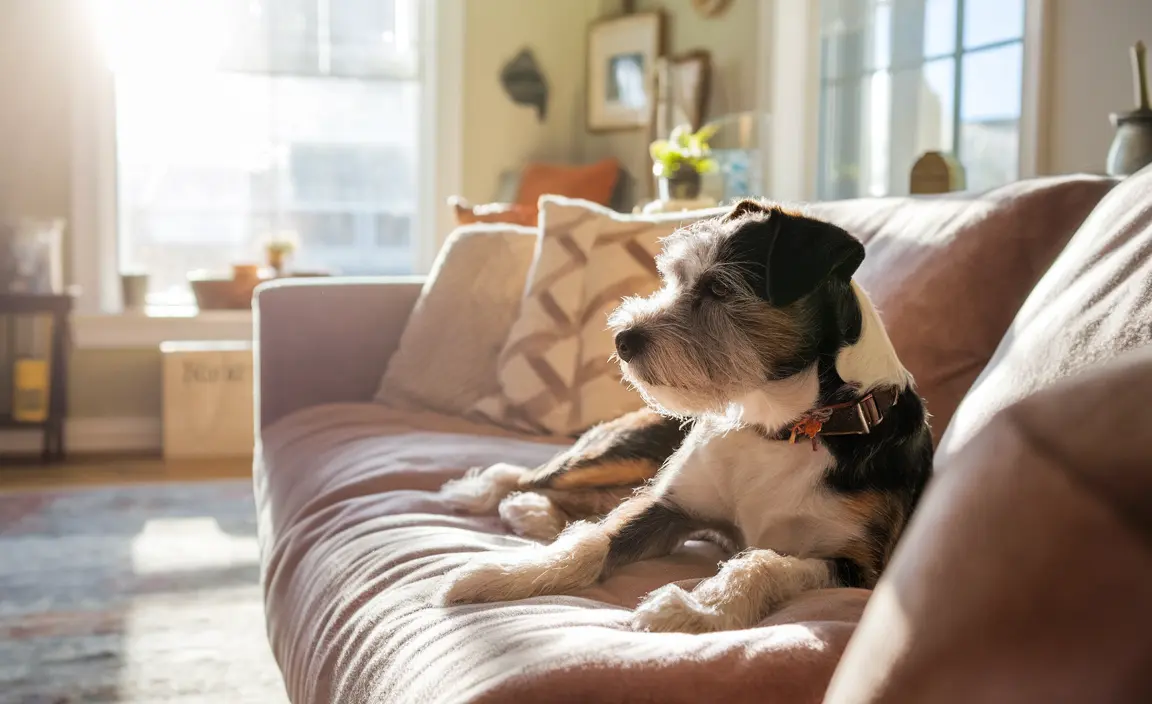
However, not all terriers are bundles of endless energy. Some breeds within this group are known for their calmer, more adaptable temperaments, making them excellent companions for families, seniors, or apartment dwellers. Understanding the nuances of terrier behavior helps potential owners choose a breed that matches their lifestyle and energy level.
While terriers share a common ancestry, their temperaments vary widely depending on their breeding purpose and environment. Some, like the Jack Russell Terrier, thrive on constant activity and mental stimulation, while others, such as the Border Terrier or the Boston Terrier, are more relaxed and affectionate. These calmer terriers still retain the intelligence and alertness typical of the group but express it in gentler, more manageable ways. Recognizing these differences is key to finding a terrier that fits seamlessly into your home.
In this article, we’ll explore several terrier breeds known for their calm demeanor, discuss what makes them unique, and provide guidance on how to nurture their best qualities. Whether you’re seeking a loyal lapdog or a quiet companion for leisurely walks, there’s a terrier breed that can bring balance and joy to your life.
Top Calmest Terrier Breeds
Among the many terrier breeds, a few stand out for their even temperaments and easygoing nature. These dogs maintain the charm and intelligence of their more spirited cousins but are less prone to hyperactivity or stubbornness. They are often easier to train, more adaptable to different living environments, and better suited for owners who prefer a relaxed pace of life.
The following breeds are frequently recognized by canine experts and organizations such as the American Kennel Club (AKC) and PetsCare.com as some of the calmest terriers:
- Border Terrier: Known for its affectionate and adaptable personality, the Border Terrier is friendly with children and other pets. It enjoys moderate exercise but is content to relax indoors after playtime.
- Boston Terrier: Often called the “American Gentleman,” this breed is sociable, intelligent, and gentle. Boston Terriers are ideal for apartment living and thrive on companionship.
- Soft Coated Wheaten Terrier: With its silky coat and cheerful disposition, the Wheaten Terrier is playful yet calm. It bonds closely with family members and enjoys moderate activity.
- Glen of Imaal Terrier: This lesser-known Irish breed is sturdy and loyal, with a surprisingly laid-back attitude. It’s less reactive than many terriers and enjoys quiet time with its owners.
- Scottish Terrier: Dignified and independent, the “Scottie” is calm indoors and forms strong attachments to its family. It appreciates routine and gentle guidance.
Each of these breeds offers a different balance of energy and affection. While they still require regular exercise and mental stimulation, their calm temperaments make them easier to manage than high-energy terriers. Choosing one of these breeds can provide the perfect blend of liveliness and tranquility in a canine companion.
Training and Socialization for Calm Behavior
Even the calmest terrier breeds benefit from consistent training and early socialization. Terriers are intelligent and quick learners, but they can also be independent thinkers. Positive reinforcement methods—using praise, treats, and play—work best to encourage cooperation and trust. Harsh corrections or inconsistent rules can lead to stubbornness or anxiety, which may undermine their naturally calm disposition.
Socialization should begin early, exposing the dog to various people, environments, and other animals. This helps prevent territorial behavior and ensures the terrier remains confident and relaxed in new situations. Calm terriers, such as the Boston or Border Terrier, often respond well to structured routines and gentle leadership. Regular short training sessions keep their minds engaged without overwhelming them.
Owners should also remember that mental stimulation is just as important as physical exercise. Puzzle toys, scent games, and obedience exercises can channel a terrier’s intelligence in positive ways. When their mental and physical needs are met, these dogs are more likely to remain calm, content, and well-behaved at home. A balanced approach to training helps preserve the terrier’s cheerful spirit while minimizing unwanted behaviors.
Exercise and Lifestyle Needs
Although calm terriers are less demanding than their high-energy relatives, they still require daily activity to stay healthy and happy. A brisk walk, a short play session, or interactive games in the yard are usually sufficient to meet their exercise needs. Overexercising can lead to fatigue or irritability, while too little activity may cause boredom and restlessness. The key is finding a consistent routine that matches the dog’s age, health, and personality.
Apartment dwellers will appreciate that many calm terriers adapt well to smaller spaces as long as they receive regular outdoor time. Breeds like the Boston Terrier and Scottish Terrier are particularly suited for urban living. They enjoy companionship and prefer being near their owners rather than left alone for long periods. Providing a comfortable resting area and maintaining a predictable schedule can further enhance their sense of security and calmness.
Owners who enjoy leisurely outdoor activities—such as hiking, picnicking, or visiting dog-friendly parks—will find that calm terriers make excellent companions. Their moderate energy levels allow them to participate without becoming overly excitable. With proper care and attention, these dogs can thrive in a variety of environments, from quiet suburban homes to bustling city apartments.
Health, Grooming, and Emotional Well-being
Maintaining a calm terrier’s health and grooming routine contributes significantly to its overall temperament. Regular veterinary checkups, balanced nutrition, and preventive care help ensure that the dog remains comfortable and stress-free. Some terriers, such as the Soft Coated Wheaten Terrier, require frequent brushing to prevent matting, while others, like the Border Terrier, have low-maintenance coats that only need occasional grooming.
Emotional well-being is equally important. Terriers are social animals that thrive on human interaction. Spending quality time with them—through play, gentle training, or simple companionship—reinforces their sense of belonging. Dogs that feel secure and loved are naturally calmer and more responsive. Avoiding overstimulation, providing quiet spaces, and maintaining consistent routines all help sustain their emotional balance.
Owners should also be mindful of potential health issues common to terrier breeds, such as allergies, joint problems, or dental concerns. Addressing these early prevents discomfort that could lead to irritability or anxiety. A healthy, well-cared-for terrier is not only calmer but also more affectionate and eager to please, making it a true joy to have as part of the family.
Finding Serenity in a Terrier Companion
Terriers may be known for their spirited personalities, but within this diverse group lie breeds that embody calmness, loyalty, and affection. Choosing a calmer terrier doesn’t mean sacrificing the intelligence or charm that defines the group—it simply means finding a companion whose temperament aligns with your lifestyle. With proper training, socialization, and care, these dogs can bring balance and warmth to any household.
Whether you’re drawn to the gentle Boston Terrier, the affectionate Border Terrier, or the dignified Scottish Terrier, each offers a unique blend of energy and serenity. By understanding their needs and nurturing their best traits, you can enjoy a lifelong bond with a terrier that enriches your days with quiet companionship and unwavering devotion.
FAQ
Which terrier breed is considered the calmest overall?
While opinions vary, the Border Terrier and Boston Terrier are often cited as two of the calmest terrier breeds. The Border Terrier’s adaptable nature and affectionate temperament make it a favorite among families, while the Boston Terrier’s gentle, sociable personality suits apartment living and first-time dog owners. Both breeds balance playfulness with composure, making them ideal for people seeking a low-stress companion. However, individual temperament can vary, so meeting the dog and learning about its background is always recommended before adoption.
Are calm terriers good with children and other pets?
Yes, many calm terriers are excellent family dogs. Breeds like the Soft Coated Wheaten Terrier and Border Terrier are known for their patience and friendliness with children. Early socialization helps ensure they interact well with other pets, including cats. While terriers have a natural prey drive, calm breeds tend to be more tolerant and adaptable. Supervised introductions and consistent training foster positive relationships, allowing these dogs to thrive in multi-pet households without displaying aggression or dominance.
Do calm terriers still need daily exercise?
Absolutely. Even calm terriers require regular physical activity to maintain their health and happiness. A daily walk, short play sessions, or light agility exercises are usually sufficient. These activities prevent boredom and help manage weight, which is important for breeds prone to joint issues. The difference is that calm terriers don’t demand constant stimulation—they’re content with moderate exercise followed by relaxation. Maintaining a consistent routine ensures they remain balanced, both physically and mentally.
Can calm terriers live comfortably in apartments?
Yes, many calm terriers adapt beautifully to apartment living. Breeds like the Boston Terrier and Scottish Terrier are particularly well-suited for smaller spaces. They are relatively quiet, enjoy companionship, and don’t require large yards to stay content. However, they still need daily walks and opportunities for mental stimulation. Providing toys, interactive games, and regular outdoor time helps prevent restlessness. As long as their social and exercise needs are met, calm terriers can thrive in urban environments.
How can I train my terrier to stay calm around strangers?
Training a terrier to remain calm around strangers involves gradual exposure and positive reinforcement. Begin by introducing the dog to new people in controlled settings, rewarding calm behavior with treats or praise. Avoid forcing interactions if the dog appears anxious. Over time, increase exposure to different environments and individuals. Consistency and patience are key—terriers respond best to gentle, confident leadership. Enrolling in obedience classes or working with a professional trainer can also help reinforce calm, polite behavior in social situations.
What are common health issues in calm terrier breeds?
Common health concerns among calm terrier breeds include allergies, hip dysplasia, and dental problems. Some breeds, such as the Soft Coated Wheaten Terrier, may also experience skin sensitivities. Regular veterinary visits, a balanced diet, and proper grooming help prevent many of these issues. Maintaining a healthy weight and providing joint supplements when recommended can also support long-term well-being. Addressing health problems early not only improves quality of life but also helps maintain a calm, content temperament.
Do calm terriers bark less than other terriers?
Generally, yes. Calm terriers tend to bark less frequently than their high-energy counterparts, though they still retain the alertness typical of the breed group. Breeds like the Glen of Imaal Terrier and Boston Terrier are known for being relatively quiet. Proper training can further reduce unnecessary barking by teaching the dog to respond to cues and remain relaxed in stimulating environments. Providing mental enrichment and avoiding boredom are also effective strategies for minimizing excessive vocalization.
Are calm terriers suitable for first-time dog owners?
Calm terriers are often an excellent choice for first-time owners. Their manageable energy levels, affectionate nature, and intelligence make them easier to train and care for than more intense breeds. The Boston Terrier, in particular, is frequently recommended for beginners due to its friendly disposition and adaptability. New owners should still commit to consistent training, socialization, and daily exercise. With patience and attention, calm terriers can become loyal, well-mannered companions that bring joy and stability to any household.
How long do calm terrier breeds typically live?
Most calm terrier breeds enjoy long lifespans, often ranging from 12 to 16 years. Factors such as genetics, diet, exercise, and veterinary care play significant roles in longevity. Smaller breeds like the Boston Terrier and Border Terrier tend to live on the higher end of that range. Providing a balanced diet, maintaining a healthy weight, and ensuring regular checkups can help extend their lifespan. A calm, stress-free environment also contributes to overall well-being and longevity.
What makes terriers different from other small dog breeds?
Terriers are distinct for their bold personalities, intelligence, and determination. Unlike many toy breeds bred primarily for companionship, terriers were originally developed for hunting and pest control. This history gives them a unique blend of courage and curiosity. Even the calmest terriers retain a spark of independence and alertness that sets them apart. Their loyalty, adaptability, and expressive nature make them engaging pets for those who appreciate a dog with both spirit and serenity.