
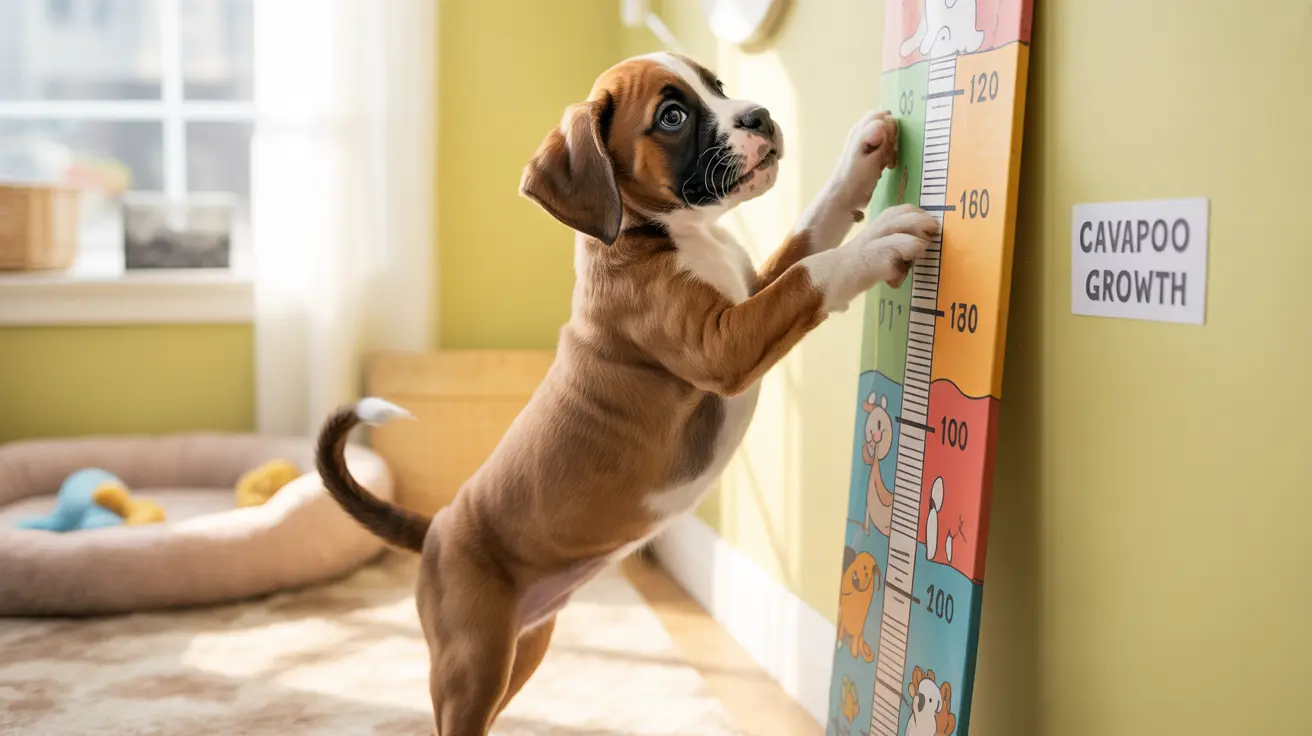
Because Cavapoos can inherit traits from either parent, their size and growth rate can vary significantly. Some remain small and compact like the Toy Poodle, while others grow closer to the size of a Miniature Poodle or Cavalier. By learning what to expect at each stage, owners can better support their Cavapoo’s physical and emotional well-being. The following sections break down growth patterns, nutritional needs, and care tips to help your Cavapoo thrive at every age.
Understanding Cavapoo Growth Stages
Cavapoos experience several distinct growth phases during their first year of life. The newborn stage, lasting from birth to about two weeks, is marked by rapid weight gain and dependence on the mother for warmth and nutrition. By the time they reach three to four weeks, their eyes open, and they begin exploring their surroundings. The socialization period, from four to twelve weeks, is crucial for behavioral development, as puppies learn to interact with humans and other animals.
Between three and six months, Cavapoos enter their juvenile stage, characterized by bursts of energy and curiosity. This is when they begin teething and require consistent training to establish good habits. Growth slows slightly between six and twelve months as they approach their adult size. Most Cavapoos reach full physical maturity by twelve to eighteen months, although mental maturity may continue to develop for several more months. Understanding these stages helps owners anticipate changes in appetite, energy levels, and behavior.
Growth rates can differ depending on whether the Cavapoo is bred from a Toy or Miniature Poodle. Toy Cavapoos tend to reach their adult size sooner, often by eight to ten months, while Mini Cavapoos may continue growing until around fourteen months. Monitoring weight and height during these stages ensures your dog remains within a healthy range and avoids issues related to overfeeding or undernourishment.
Average Size and Weight Expectations
Because Cavapoos are a hybrid breed, their adult size can vary widely. On average, a fully grown Cavapoo weighs between 12 and 25 pounds and stands about 9 to 14 inches tall at the shoulder. Toy Cavapoos, bred from Toy Poodles, typically fall on the smaller end of this range, while Mini Cavapoos, bred from Miniature Poodles, are larger and sturdier. Genetics play a major role, but diet, exercise, and overall health also influence final size.
To track your Cavapoo’s development, it’s helpful to compare their weight to a general growth chart. Puppies usually double their birth weight within the first week and continue gaining steadily until around six months. After that, growth slows as they approach adulthood. A healthy Cavapoo should have a visible waistline when viewed from above and a slight tummy tuck when viewed from the side. If your puppy’s ribs are difficult to feel, it may be time to adjust feeding portions or activity levels.
- Newborn to 8 weeks: 1–4 pounds
- 3 months: 5–8 pounds
- 6 months: 8–15 pounds
- 9 months: 10–20 pounds
- 12 months and beyond: 12–25 pounds (depending on lineage)
These numbers are averages, not strict rules. Some Cavapoos may fall outside these ranges and still be perfectly healthy. Regular veterinary checkups are the best way to confirm that your dog’s growth aligns with their genetic potential and overall health profile.
Factors Influencing Cavapoo Growth
Several factors determine how quickly and how large a Cavapoo will grow. Genetics is the most significant, as the size of the parents directly influences the puppy’s potential. A Cavapoo with a Toy Poodle parent will likely remain smaller, while one with a Miniature Poodle parent may grow larger. Nutrition also plays a vital role; feeding a balanced diet rich in protein, healthy fats, and essential vitamins supports strong bones and muscles.
Exercise and lifestyle contribute to healthy growth as well. Puppies need moderate activity to develop coordination and maintain a healthy weight, but excessive exercise can strain developing joints. Mental stimulation through play and training also supports cognitive growth and emotional stability. Environmental factors, such as stress or inconsistent routines, can affect appetite and slow development, so maintaining a calm, predictable environment is beneficial.
Health conditions can also influence growth. Parasites, digestive issues, or hormonal imbalances may cause slower weight gain or stunted growth. Regular veterinary visits help detect and address these problems early. Spaying or neutering can slightly affect growth patterns, as hormonal changes may alter metabolism or bone development. By understanding these influences, owners can make informed decisions that promote balanced, healthy growth throughout their Cavapoo’s life.
Nutrition and Care During Growth
Proper nutrition is the cornerstone of healthy Cavapoo development. Puppies require a diet formulated specifically for small breeds, with the right balance of protein, fat, and carbohydrates to support rapid growth. Feeding schedules should be consistent—typically three to four small meals per day for puppies under six months, gradually transitioning to two meals as they mature. Always provide fresh water and avoid overfeeding, as Cavapoos are prone to weight gain if given too many treats or table scraps.
Exercise should be tailored to the dog’s age and energy level. Young puppies benefit from short, gentle play sessions, while older Cavapoos enjoy longer walks and interactive games. Mental enrichment through puzzle toys and training exercises keeps their intelligent minds engaged. Grooming is another essential aspect of care; Cavapoos have soft, wavy coats that require regular brushing to prevent matting and skin irritation. Routine ear cleaning and dental care also help maintain overall health.
- Feed high-quality small-breed puppy food during early growth stages.
- Maintain a consistent feeding and exercise schedule.
- Provide regular grooming to prevent tangles and skin issues.
- Schedule veterinary checkups every few months during the first year.
- Monitor weight and adjust diet as needed to prevent obesity.
By combining balanced nutrition, regular exercise, and attentive grooming, owners can ensure their Cavapoo grows into a healthy, happy adult. These habits also lay the foundation for a long, active life filled with companionship and joy.
Training, Socialization, and Emotional Development
While physical growth is important, a Cavapoo’s emotional and behavioral development is equally vital. Early socialization helps prevent anxiety and fear-based behaviors later in life. Introducing your puppy to different people, environments, and other pets between eight and sixteen weeks builds confidence and adaptability. Positive reinforcement training methods work best for this sensitive breed, encouraging cooperation without fear or stress.
As Cavapoos mature, consistent routines and mental challenges keep them engaged. They thrive on human interaction and can become anxious if left alone for long periods. Crate training, interactive toys, and short training sessions help channel their energy productively. Because Cavapoos are intelligent and eager to please, they often excel in obedience training and agility activities, which also strengthen the bond between dog and owner.
Emotional maturity typically develops around eighteen months, though some dogs may take longer to settle into adult behavior patterns. Patience, consistency, and affection are key during this time. A well-socialized and trained Cavapoo will grow into a confident, loving companion who fits seamlessly into family life. With proper guidance, their playful spirit and gentle nature make them one of the most rewarding breeds to raise.
Supporting a Lifetime of Healthy Growth
Raising a Cavapoo is a rewarding journey that combines attentive care, patience, and love. Understanding their growth chart and developmental stages allows owners to provide the right nutrition, exercise, and training at every phase. From the tiny, wobbly puppy stage to the energetic adolescent months and finally to adulthood, each stage offers unique joys and challenges. Monitoring weight, maintaining a balanced diet, and scheduling regular veterinary visits are the cornerstones of lifelong health.
Ultimately, every Cavapoo is unique. Some may grow faster or remain smaller than average, but with proper care and attention, all can flourish. By staying informed and responsive to your dog’s needs, you ensure that your Cavapoo not only reaches their full physical potential but also enjoys a happy, emotionally balanced life filled with companionship and affection.
FAQ
How big will my Cavapoo get when fully grown?
Adult Cavapoos typically weigh between 12 and 25 pounds and stand 9 to 14 inches tall at the shoulder. The exact size depends on whether the Poodle parent was Toy or Miniature. Toy Cavapoos are smaller, often under 15 pounds, while Mini Cavapoos can reach up to 25 pounds. Genetics, diet, and exercise also influence final size. Monitoring your puppy’s growth against a general chart and consulting your veterinarian ensures they are developing at a healthy rate.
At what age do Cavapoos stop growing?
Most Cavapoos reach their full height and weight between 12 and 18 months. Toy Cavapoos often mature faster, finishing growth around 10 months, while Mini Cavapoos may continue developing until 14 to 18 months. Even after physical growth stops, mental and emotional maturity can continue for several months. Regular vet visits during this period help confirm that your Cavapoo’s growth is on track and that their diet supports healthy development.
How can I tell if my Cavapoo is underweight or overweight?
A healthy Cavapoo should have a visible waistline and a slight abdominal tuck when viewed from the side. You should be able to feel their ribs easily without pressing hard. If ribs are difficult to feel or your dog lacks a defined waist, they may be overweight. Conversely, if ribs and spine are too prominent, they may be underweight. Adjusting portion sizes, increasing or decreasing exercise, and consulting your vet can help restore a healthy balance.
What should I feed my Cavapoo puppy?
Feed your Cavapoo a high-quality small-breed puppy food that provides balanced nutrition for growth. Look for formulas rich in protein, healthy fats, and essential vitamins. Puppies under six months should eat three to four small meals daily, transitioning to two meals as they mature. Avoid feeding table scraps or excessive treats, as Cavapoos are prone to weight gain. Always provide fresh water and consult your veterinarian for specific dietary recommendations based on your puppy’s size and activity level.
How much exercise does a Cavapoo need?
Cavapoos are energetic but not overly demanding. Puppies benefit from short, gentle play sessions several times a day, while adults enjoy 30 to 60 minutes of daily activity. This can include walks, fetch, or interactive games. Avoid overexertion in young puppies, as their joints are still developing. Mental stimulation is equally important—training exercises, puzzle toys, and social interaction keep their intelligent minds engaged and prevent boredom-related behaviors.
Do Cavapoos shed a lot?
One of the Cavapoo’s most appealing traits is its low-shedding coat, inherited from the Poodle parent. While they are not completely hypoallergenic, they shed very little compared to many other breeds. Regular grooming, including brushing several times a week and professional trims every few months, helps prevent tangles and keeps the coat healthy. Maintaining a clean coat also reduces allergens and keeps your Cavapoo comfortable year-round.
When should I start training my Cavapoo?
Training should begin as soon as you bring your Cavapoo home, usually around eight weeks of age. Early training focuses on basic commands, potty training, and socialization. Positive reinforcement methods—using praise, treats, and play—work best for this sensitive breed. Consistency and patience are key. As your Cavapoo grows, you can introduce more advanced commands and activities like agility or obedience classes to strengthen their skills and confidence.
How often should my Cavapoo visit the vet?
Puppies should visit the vet every few weeks during their first six months for vaccinations, deworming, and growth monitoring. After the first year, annual checkups are usually sufficient unless health issues arise. Regular visits help detect potential problems early, such as dental disease, allergies, or joint concerns. Maintaining a vaccination schedule and preventive care routine ensures your Cavapoo stays healthy and active throughout life.
What health issues are common in Cavapoos?
Cavapoos are generally healthy, but they can inherit conditions from their parent breeds. Common concerns include heart issues from the Cavalier side and hip dysplasia or eye problems from the Poodle side. Regular vet checkups, a balanced diet, and maintaining a healthy weight reduce the risk of these conditions. Responsible breeders screen for genetic diseases, so choosing a reputable source is essential for long-term health.
How can I support my Cavapoo’s emotional development?
Emotional growth is just as important as physical development. Provide consistent routines, gentle training, and plenty of affection. Socialize your Cavapoo early with different people, pets, and environments to build confidence. Avoid harsh discipline, as Cavapoos are sensitive and respond best to positive reinforcement. Regular playtime, companionship, and mental challenges help prevent anxiety and ensure your Cavapoo grows into a well-adjusted, happy adult.




