
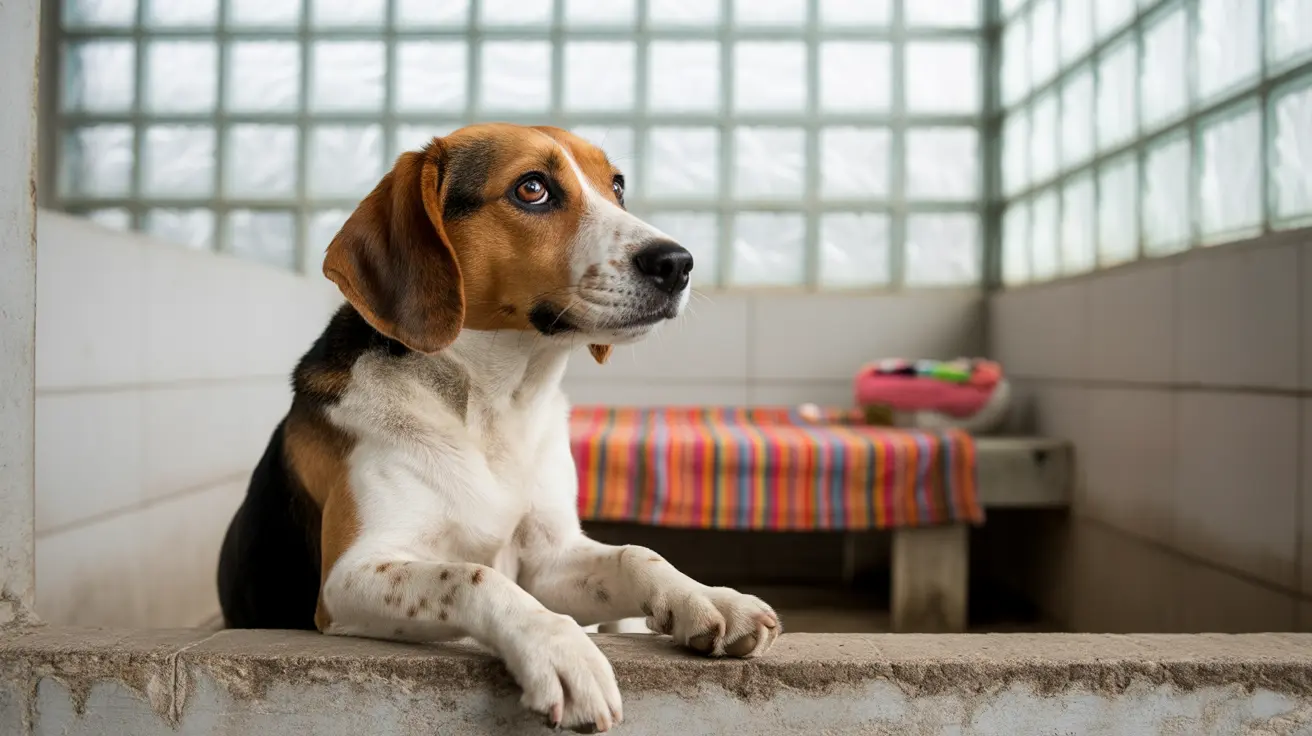
Pet owners experiencing homelessness in Washington DC continue facing an impossible choice: access shelter or keep their beloved companions. Despite the District Council's unanimous passage of the Pets in Housing Amendment Act in 2024, the legislation designed to create a pet friendly homeless shelter DC remains without funding, leaving countless unhoused pet owners in limbo.
The ongoing funding gap highlights a critical barrier that forces vulnerable pet owners to choose between their safety and their animals' wellbeing. This situation not only impacts individual families but also strains animal welfare resources and perpetuates cycles of homelessness for those who refuse to abandon their pets.
The Pets in Housing Amendment Act 2024: Promise Without Resources
The Pets in Housing Amendment Act 2024 represents a significant step forward in recognizing the bond between unhoused pet owners and their animals. Passed with full council support, the legislation specifically aimed to lower barriers for entry into shelters and housing for DC pet owners who are experiencing homelessness.
However, more than a year after its passage, the act remains an unfunded mandate. Without proper financial backing, homeless shelters in the District cannot implement the necessary infrastructure, staffing, and policies required to accommodate pets alongside their owners.
Understanding the Barriers Facing Unhoused Pet owners Washington DC
The current shelter system creates significant obstacles for DC homeless with pets. Traditional shelters typically prohibit animals due to space constraints, health regulations, and liability concerns. This policy forces pet owners into dangerous situations, often choosing to remain on the streets rather than surrender their companions.
Research consistently shows that pets provide crucial emotional support and companionship for people experiencing homelessness. The human-animal bond often serves as a stabilizing force during periods of extreme vulnerability, making pet relinquishment particularly traumatic for unhoused individuals.
Current Support Programs and Their Limitations
While comprehensive pet friendly shelter options remain unavailable, several organizations work to support unhoused dogs cats DC through various programs. These initiatives often provide veterinary care, temporary boarding, and other essential services, though they cannot fully address the accommodation crisis.
Existing programs face overwhelming demand and limited resources, underscoring the urgent need for systematic solutions rather than piecemeal approaches to helping pets mental health homeless populations.
The National Context of Pet Friendly Shelters
Washington DC is not alone in grappling with this challenge. Across the United States, communities are recognizing that traditional homelessness policies inadvertently create barriers for pet-owning families. National pet friendly shelters have begun emerging in various cities, demonstrating successful models that DC could potentially adopt.
These pioneering facilities typically feature designated areas for pets, on-site veterinary services, and modified intake procedures that accommodate animals. The success of these programs provides valuable blueprints for DC's eventual implementation of pet policies homeless shelters.
Advocacy Efforts and Future Outlook
Animal advocates continue pushing for funding pet friendly shelter DC initiatives, emphasizing both humanitarian and practical benefits. Supporters argue that pet-inclusive policies reduce the overall duration of homelessness by removing barriers that prevent people from accessing services.
The advocacy pet friendly housing DC movement also highlights economic advantages, noting that preventing pet relinquishment homelessness situations reduces strain on animal control systems and shelters. When people can keep their pets while accessing housing assistance, outcomes improve for both humans and animals.
Moving Forward: The Need for DC Council Pet Shelter Funding
As 2025 progresses, the pressure mounts for the District to allocate resources for implementing the Pets in Housing Amendment Act. The legislation's unanimous passage demonstrates clear political will; what remains is translating that support into concrete funding commitments.
Successful implementation would position DC as a leader in innovative homelessness solutions while addressing a critical gap in services for some of the community's most vulnerable residents and their animal companions.
Frequently Asked Questions
Is there a pet-friendly homeless shelter in Washington DC for unhoused pet owners?
Currently, no dedicated pet-friendly homeless shelter operates in Washington DC, despite the passage of the Pets in Housing Amendment Act in 2024. The legislation remains unfunded, leaving pet owners experiencing homelessness without comprehensive accommodation options that include their animals.
What is the status of the Pets in Housing Amendment Act of 2024 in DC?
The Pets in Housing Amendment Act passed unanimously by the DC Council in 2024 but lacks funding for implementation. While the legal framework exists to create pet-friendly shelter accommodations, no financial resources have been allocated to make the program operational.
Why do homeless people in DC have to choose between shelter and their pets?
Traditional homeless shelters in DC prohibit pets due to space limitations, health regulations, and liability concerns. Without pet-friendly alternatives, unhoused pet owners must choose between accessing shelter services and keeping their animal companions, often resulting in people remaining on the streets rather than abandoning their pets.
The struggle for pet friendly homeless shelter DC funding continues, but growing awareness and advocacy efforts suggest positive changes may be on the horizon for the District's unhoused pet-owning community.




