
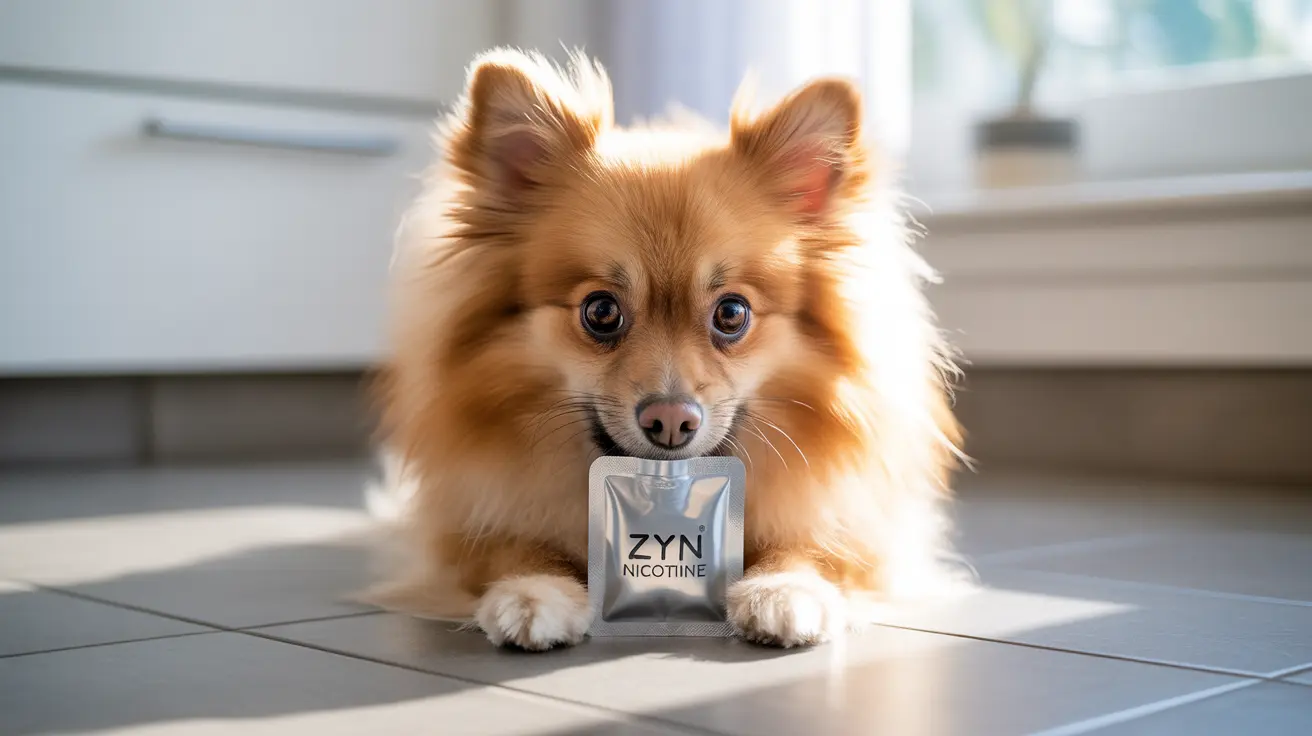
Nicotine is a potent stimulant that affects the nervous system, heart, and digestive tract. When a dog consumes a Zyn pouch, the nicotine is rapidly absorbed, leading to symptoms that can appear within minutes. The severity depends on the dog’s size, the amount ingested, and whether the pouch was used or unused. Unused pouches contain higher nicotine concentrations, making them especially dangerous. Understanding the risks helps owners act quickly and appropriately if such an incident occurs.
Because Zyn pouches are often left in pockets, trash bins, or countertops, dogs can easily access them. Prevention starts with awareness—knowing that even a small amount of nicotine can be toxic is key.
How Nicotine Affects Dogs and Signs of Toxicity
When a dog ingests nicotine, it rapidly enters the bloodstream and overstimulates the nervous system. This leads to a cascade of physiological reactions, including increased heart rate, elevated blood pressure, and muscle tremors. In severe cases, the overstimulation can progress to seizures, respiratory failure, or cardiac arrest. Because dogs metabolize nicotine differently than humans, even small doses can be life-threatening. The toxic dose for dogs is estimated at around 1 mg of nicotine per pound of body weight, and a single Zyn pouch can contain several milligrams.
Recognizing the symptoms early can make a critical difference. Common signs of nicotine poisoning include drooling, vomiting, diarrhea, restlessness, and rapid breathing. As toxicity progresses, dogs may develop tremors, weakness, or collapse. In extreme cases, paralysis or coma can occur. The onset of symptoms is usually fast—often within 15 to 60 minutes after ingestion—so immediate action is essential. If you suspect your dog has eaten a Zyn pouch, do not wait for symptoms to worsen before seeking help.
Because nicotine affects multiple organ systems, the symptoms can vary widely. Some dogs may primarily show gastrointestinal distress, while others exhibit neurological signs. The variability makes professional evaluation crucial.
Immediate Steps to Take If Your Dog Ate a Zyn Pouch
Time is critical when dealing with nicotine ingestion. The first and most important step is to contact your veterinarian or an emergency animal hospital immediately. If possible, have the packaging or pouch available so you can tell the vet exactly what your dog ate. This helps them estimate the nicotine dose and determine the best treatment. Do not attempt home remedies or induce vomiting unless specifically instructed by a professional, as this can sometimes worsen the situation depending on the dog’s condition.
While waiting for veterinary guidance, observe your dog closely. Note any changes in behavior, breathing, or coordination. If your dog begins to tremble, drool excessively, or vomit, these are signs that the nicotine is taking effect. Keep your pet calm and in a safe area away from stairs or sharp objects. Do not offer food or water unless advised by the vet. If you are far from a clinic, you can also call a pet poison control hotline for immediate advice on what to do next.
- Call your veterinarian or an emergency animal clinic right away.
- Provide details about the product (brand, flavor, number of pouches, and whether they were used).
- Follow the vet’s instructions carefully—do not induce vomiting unless told to.
- Monitor your dog’s symptoms and keep them calm and contained.
- Bring the product packaging to the clinic for reference.
Once you’ve taken these initial steps, your veterinarian will likely recommend bringing your dog in for evaluation.
Veterinary Treatment and Recovery Process
At the veterinary clinic, the team will assess your dog’s vital signs and determine the severity of the poisoning. If ingestion occurred recently, the vet may induce vomiting or administer activated charcoal to prevent further nicotine absorption. In more serious cases, intravenous fluids, oxygen therapy, and medications to control seizures or heart irregularities may be necessary. The goal is to stabilize your dog’s cardiovascular and nervous systems while supporting detoxification.
Dogs that receive prompt treatment often recover fully within 24 to 48 hours. However, severe cases may require hospitalization for monitoring. The vet will track heart rate, breathing, and neurological responses to ensure the nicotine is leaving the system safely. Because nicotine is metabolized relatively quickly, most dogs show improvement within a day, but lingering weakness or tremors can persist for a short time. Follow-up visits may be recommended to confirm full recovery.
During recovery at home, it’s important to provide a quiet environment and ensure your dog stays hydrated. Avoid giving any medications or supplements without veterinary approval, as the liver and kidneys may still be processing toxins. If your dog exhibits any recurring symptoms—such as vomiting, shaking, or lethargy—contact your vet immediately.
Preventing Nicotine Poisoning in Dogs
Prevention is always better than emergency treatment. The most effective way to protect your dog is to store all nicotine products, including Zyn pouches, e-cigarettes, and nicotine gum, in secure locations that pets cannot access. Dogs are skilled at sniffing out interesting scents, so even sealed containers should be kept in high cabinets or locked drawers. Dispose of used pouches in sealed trash bins, as the residual nicotine can still be harmful if ingested.
Educating everyone in your household about the risks is equally important. Many pet owners underestimate how toxic nicotine can be, especially in concentrated forms like pouches or vape liquids. Make sure guests and family members know not to leave these products on tables, in pockets, or in open bags. If you use nicotine products outdoors, keep them away from areas where your dog plays or explores. Consistent habits can drastically reduce the risk of accidental ingestion.
- Store nicotine products in closed, elevated cabinets.
- Dispose of used pouches in sealed containers immediately.
- Educate family members and visitors about the risks to pets.
- Keep nicotine products out of cars or bags accessible to dogs.
- Supervise dogs closely in public areas where littered pouches may be found.
By maintaining these safety practices, you can significantly lower the chances of nicotine poisoning.
If your dog eats a Zyn pouch, it’s a medical emergency that requires immediate attention. Nicotine poisoning can escalate quickly, but with prompt veterinary care, most dogs recover fully. Understanding the symptoms, acting fast, and keeping nicotine products securely stored are the best ways to protect your pet. Prevention through awareness and responsible storage is far easier—and far safer—than dealing with an emergency. Always treat nicotine products as hazardous substances when pets are in the home.
FAQ
What should I do first if my dog eats a Zyn pouch?
Call your veterinarian or an emergency animal hospital immediately. Provide details about what your dog ate, including the brand and number of pouches. Do not try to make your dog vomit unless a professional instructs you to do so. Quick communication with a vet ensures your dog receives the right treatment before symptoms worsen. If you’re unsure where to call, contact a pet poison control hotline for immediate guidance while preparing to go to the clinic.
How much nicotine is toxic to dogs?
Nicotine is extremely toxic to dogs, with a potentially lethal dose starting at around 1 mg per pound of body weight. Since a single Zyn pouch can contain several milligrams of nicotine, even one pouch can be dangerous for small or medium-sized dogs. The toxicity depends on the dog’s size, age, and health condition, as well as whether the pouch was used or unused. Always treat any ingestion as an emergency, regardless of the amount consumed.
How quickly do symptoms appear after ingestion?
Symptoms of nicotine poisoning typically appear within 15 to 60 minutes after ingestion. Early signs include drooling, vomiting, and restlessness, which can progress to tremors, seizures, or collapse if untreated. Because the onset is so rapid, waiting to see if your dog “seems fine” can be risky. Immediate veterinary evaluation is the safest course of action, even if your dog appears normal at first.
Can a used Zyn pouch still harm my dog?
Yes, even used Zyn pouches can be harmful. While they contain less nicotine than unused ones, the remaining amount can still cause poisoning, especially in smaller dogs. Used pouches also carry flavoring agents and other chemicals that may irritate your dog’s stomach. Always dispose of used pouches in sealed trash bins that your pet cannot access, and check your surroundings for any dropped or forgotten ones.
What treatments do vets use for nicotine poisoning?
Veterinarians may induce vomiting if the ingestion was recent, followed by activated charcoal to absorb remaining toxins. Supportive care often includes intravenous fluids, oxygen therapy, and medications to control seizures or irregular heartbeats. In severe cases, hospitalization may be required for continuous monitoring. The goal is to stabilize your dog’s vital functions while the body metabolizes and eliminates the nicotine safely.
Can my dog recover fully after eating a Zyn pouch?
Most dogs recover completely if they receive prompt and appropriate treatment. Recovery time depends on the amount ingested and how quickly medical care was provided. Mild cases may resolve within a day, while severe poisonings could require several days of observation. Following your vet’s instructions for rest, hydration, and follow-up visits helps ensure a full recovery without complications.
Are other nicotine products dangerous to dogs too?
Yes, all nicotine-containing products are hazardous to dogs. This includes cigarettes, cigars, nicotine gum, lozenges, vape liquids, and patches. Many of these products contain even higher concentrations of nicotine than Zyn pouches. Always store them securely and dispose of them properly. Even small residues or spills can be enough to cause poisoning in pets, so vigilance is essential in any household that uses nicotine products.
What if I can’t reach a vet right away?
If you cannot reach a veterinarian immediately, call a pet poison control hotline such as the ASPCA Animal Poison Control Center or Pet Poison Helpline. They can provide step-by-step instructions based on your dog’s size, symptoms, and the product ingested. Keep your dog calm and monitor for changes while arranging transportation to the nearest emergency clinic. Do not delay seeking professional help, as nicotine poisoning can progress rapidly.
How can I prevent my dog from eating nicotine products?
Prevention involves secure storage, proper disposal, and awareness. Keep all nicotine products in closed cabinets or drawers that pets cannot access. Dispose of used pouches in sealed containers and never leave them in open trash bins. Educate family members and guests about the risks, and supervise your dog during walks or outdoor play to prevent them from picking up discarded pouches. Consistent safety habits are the best defense against accidental poisoning.
Is there a safe amount of nicotine for dogs?
No, there is no safe amount of nicotine for dogs. Even trace amounts can cause harmful effects, particularly in small breeds or puppies. Because nicotine acts as a powerful stimulant, it disrupts normal heart and nerve function even at low doses. Always treat any exposure as potentially dangerous and seek veterinary advice immediately. Keeping nicotine products completely out of reach is the only reliable way to ensure your dog’s safety.




