
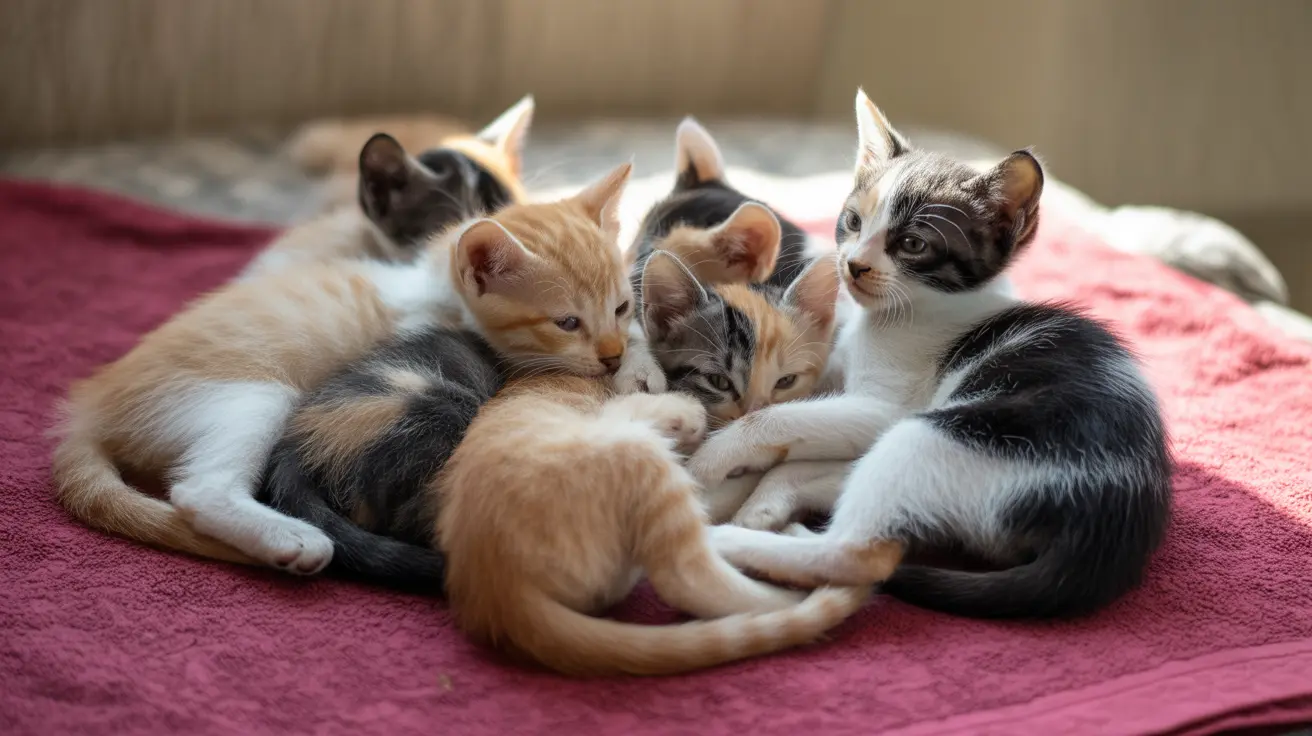
When the Darr family of Rushford, Minnesota, lost their beloved cat several years ago, they never imagined their simple trip to "pet cats" at the local animal shelter would transform into a comprehensive family fostering mission. What started as a healing visit quickly evolved into animal fostering that now involves all six family members: parents Bruce and Tina, along with their children Daisy, Beatty, Gibson, and Mannix.
The Darr family's journey illustrates how pet fostering families often begin their rescue work during times of transition, demonstrating that animal fostering can serve as both a healing mechanism and a meaningful way to give back to the community. Their story reflects a growing trend among American families who choose fostering as an alternative to immediate pet adoption after loss.
How to Start Fostering Animals: The Family Approach
The transition from pet ownership to fostering after pet loss represents a unique pathway that many families discover. Unlike traditional adoption, fostering allows families to help animals in need while maintaining flexibility during their grief process. The Darr family's experience shows how families can ease into animal rescue work without the immediate commitment of permanent pet ownership.
Most animal shelter foster programs welcome families who are ready to provide temporary homes for pets awaiting adoption. These programs typically provide medical care, food, and supplies, making the transition manageable for families exploring their first fostering experience.
Benefits of Fostering for Kids and Family Dynamics
Family fostering pets offers unique advantages for children's development and family bonding. When families like the Darrs involve multiple children in animal care, they create opportunities for shared responsibility, empathy building, and life skills development. Children learn about commitment, compassion, and the temporary nature of helping others.
Research indicates that children who participate in animal rescue activities often develop stronger emotional intelligence and sense of community responsibility. The fostering process teaches valuable lessons about attachment, loss, and the importance of helping vulnerable populations.
Minnesota Animal Fostering and Rural Pet Fostering Challenges
Rural communities like Rushford face unique challenges in pet overpopulation fostering efforts. Limited resources and geographic distances can make shelter foster volunteers particularly valuable in these areas. Rural pet fostering families often serve larger geographic regions, making their contributions especially impactful for overwhelmed shelters.
The Darr family's location in Minnesota highlights how families outside urban centers can significantly impact animal welfare. Rural fostering families frequently provide crucial support for shelters that may lack adequate space for all animals in need.
Foster to Adopt Pets: A Natural Progression
Many families who begin fostering eventually transition to foster-to-adopt arrangements. This progression allows families to ensure good matches between pets and family dynamics before making permanent commitments. The fostering experience provides valuable insights into pet compatibility that traditional adoption processes might not reveal.
For families recovering from pet loss, fostering can serve as a bridge between grief and readiness for new permanent companions. The temporary nature of fostering allows families to process their emotions while still providing meaningful care to animals in need.
Supporting Animal Shelter Foster Programs
Successful family animal rescue efforts depend on strong partnerships between volunteers and shelter organizations. Shelters typically provide comprehensive support including veterinary care, behavioral guidance, and emergency assistance for foster families. This support system makes fostering accessible to families with varying experience levels.
The commitment of shelter foster volunteers like the Darr family helps address critical overcrowding issues in animal shelters nationwide. Each fostering family creates space for additional rescues and improves adoption outcomes through socialization and individual attention.
Frequently Asked Questions
How can my family start fostering animals from a local shelter?
Contact your local animal shelter to inquire about their foster program requirements. Most shelters provide orientation sessions, supply necessary equipment, and offer ongoing support. Start with short-term fostering opportunities to determine your family's comfort level and capacity.
What are the benefits of fostering pets for families with children?
Fostering teaches children responsibility, empathy, and community service while providing hands-on animal care experience. Children learn valuable life skills including nurturing behavior, understanding temporary commitments, and contributing to animal welfare without the long-term commitment of pet ownership.
Is fostering animals a good way to help overcrowded shelters?
Yes, fostering directly addresses shelter overcrowding by creating temporary homes for animals awaiting adoption. Foster families provide individual attention and socialization that improves adoption prospects while freeing shelter space for additional rescues. Every foster placement potentially saves multiple animal lives.
Building a Legacy of Compassion
The Darr family's evolution from grieving pet owners to dedicated foster volunteers demonstrates how personal loss can transform into community contribution. Their story shows that animal fostering offers families meaningful ways to heal while making tangible differences in animal welfare.
For families considering this journey, the Darr family's experience illustrates that fostering can begin simply and grow naturally into a family tradition. Whether starting with a single visit to "pet cats" or making a deliberate decision to help, every fostering effort contributes to solving pet overpopulation while enriching family life through service to others.




