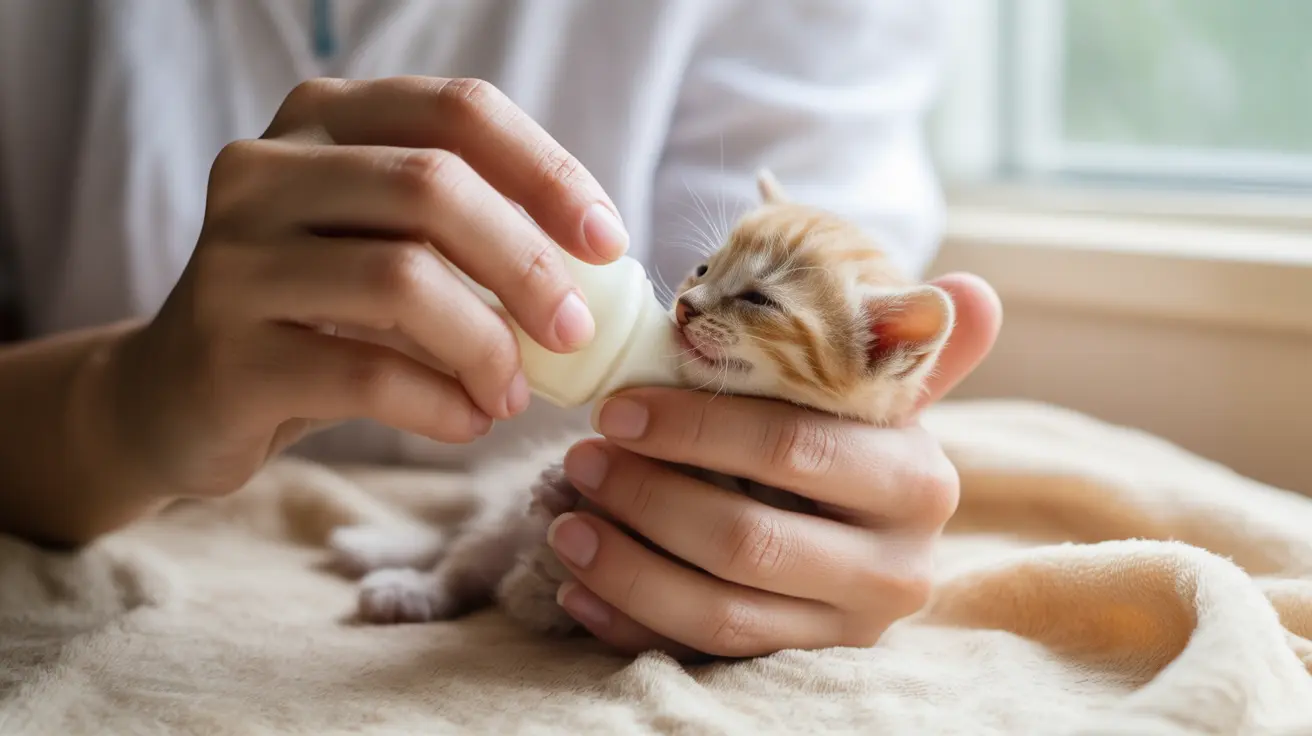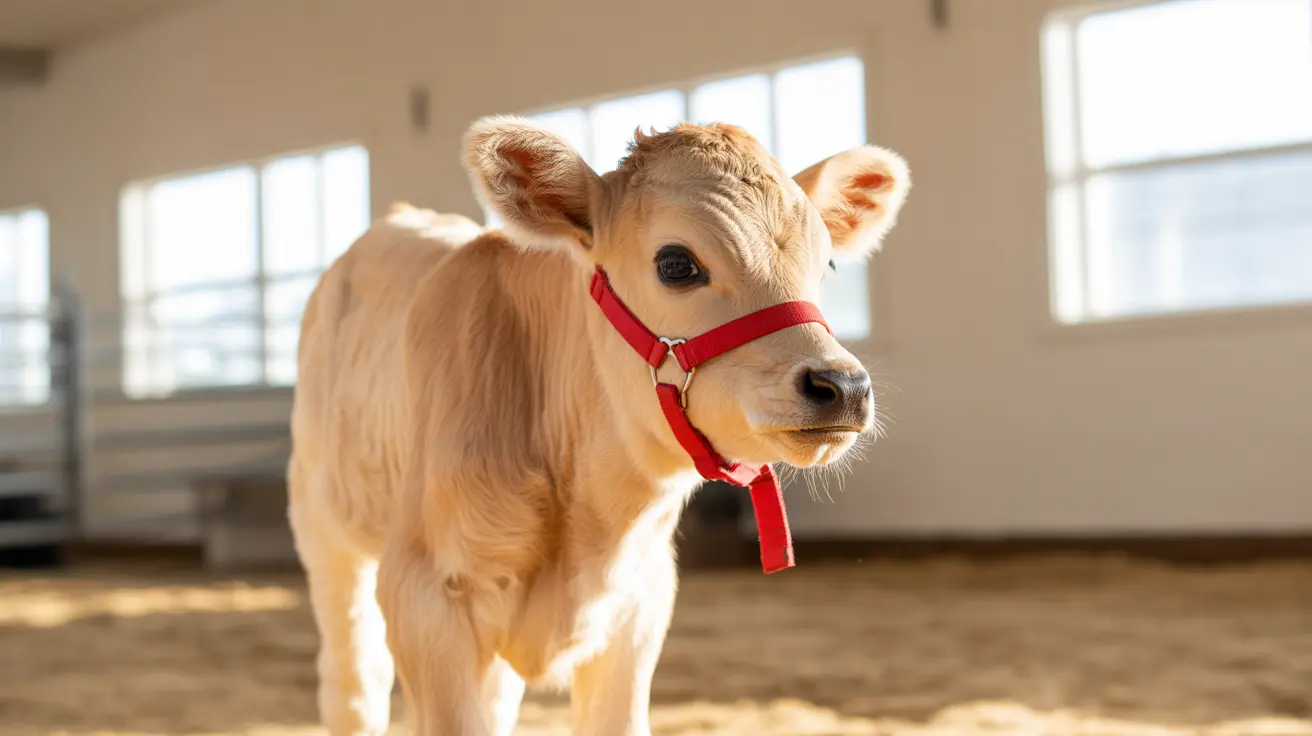
Baby farm animals made special Valentine's Day visits to senior communities, bringing smiles and therapeutic benefits to elderly residents. These heartwarming encounters demonstrate the growing recognition of farm animal therapy for seniors as an effective way to enhance quality of life in nursing homes and assisted living facilities.
The visits featured adorable baby cows, goats, and other farm animals, creating memorable moments that staff described as bringing pure joy to residents. As one caregiver noted, "anything that brings joy to the residents makes having a cow all worth it," highlighting the profound impact these animal encounters have on elderly care.
Benefits of Farm Animals for Senior Well-Being
Animal-assisted therapy has gained significant traction in senior care settings, with farm animals offering unique advantages over traditional therapy pets. Unlike smaller animals, baby cows and goats provide a novel experience that can trigger positive memories and spark conversations among residents.
The therapeutic benefits extend beyond momentary entertainment. Research shows that animal interactions can reduce cortisol levels, lower blood pressure, and stimulate the release of endorphins. For seniors dealing with isolation or cognitive challenges, these visits provide sensory stimulation and emotional connection that medications alone cannot achieve.
Reducing Loneliness Through Animal Connections
Loneliness remains a critical health concern in senior communities, often leading to depression and cognitive decline. Baby farm animal visits create shared experiences that foster social interaction among residents, caregivers, and visiting family members. The presence of gentle, approachable animals naturally encourages conversation and laughter.
These interactions are particularly valuable for residents with limited mobility or communication challenges. Stroking a baby cow's soft fur or watching playful goats can provide comfort without requiring verbal exchange, making the therapy accessible to seniors at various cognitive levels.
Animal-Assisted Therapy for Elderly Populations
Professional animal-assisted therapy programs in nursing homes follow structured protocols to ensure safety and maximize therapeutic benefits. Trained handlers accompany the animals, monitoring both animal and resident behavior throughout the visit.
The selection of farm animals for senior therapy offers distinct advantages. Baby cows, goats, and chickens are often calmer and more predictable than some traditional therapy animals, making them ideal for elderly populations who may have mobility limitations or health concerns.
Pet Therapy Benefits for Dementia Patients
For residents living with dementia, farm animal visits can provide remarkable cognitive stimulation. The novelty of encountering farm animals in an indoor setting can pierce through memory fog, sometimes triggering recollections of childhood experiences on farms or with animals.
These moments of clarity and connection are invaluable for both residents and their families. The sensory experience of touching different textures, hearing animal sounds, and observing animal behavior can engage multiple cognitive pathways simultaneously.
Creating Special Holiday Memories
Timing these visits around holidays like Valentine's Day adds an extra layer of meaning to the experience. The combination of holiday spirit and animal therapy creates lasting positive memories that residents often discuss long after the animals have departed.
Staff members frequently report improved mood and increased social engagement following farm animal visits. Residents who typically remain withdrawn may become animated when sharing stories about the animals they encountered, extending the therapeutic benefits well beyond the actual visit time.
Frequently Asked Questions
What are the benefits of farm animal therapy for seniors in nursing homes?
Farm animal therapy provides multiple benefits including reduced anxiety and depression, increased social interaction, cognitive stimulation, and physical comfort through gentle touch. The unique nature of farm animals creates memorable experiences that can improve overall mood and quality of life for elderly residents.
How does interacting with baby cows and goats help reduce loneliness in elderly residents?
Baby farm animals naturally encourage social interaction and conversation among residents, staff, and visitors. The shared experience of meeting these gentle animals creates bonds and provides topics for ongoing discussion, helping combat the isolation that many seniors experience in care facilities.
Can animal-assisted therapy improve dementia symptoms in older adults?
While animal therapy cannot cure dementia, it can provide significant cognitive and emotional benefits. Interactions with farm animals may trigger positive memories, increase alertness, and provide sensory stimulation that can temporarily improve mood and engagement levels in dementia patients.
Looking Forward
The success of Valentine's Day farm animal visits demonstrates the powerful impact of creative therapeutic approaches in senior care. As more facilities recognize the benefits of animal-assisted therapy, programs featuring baby cows, goats, and other farm animals are likely to become more common.
These heartwarming encounters remind us that joy and connection remain essential elements of quality elder care, proving that sometimes the most effective therapy comes on four legs with a gentle moo or playful bleat.