
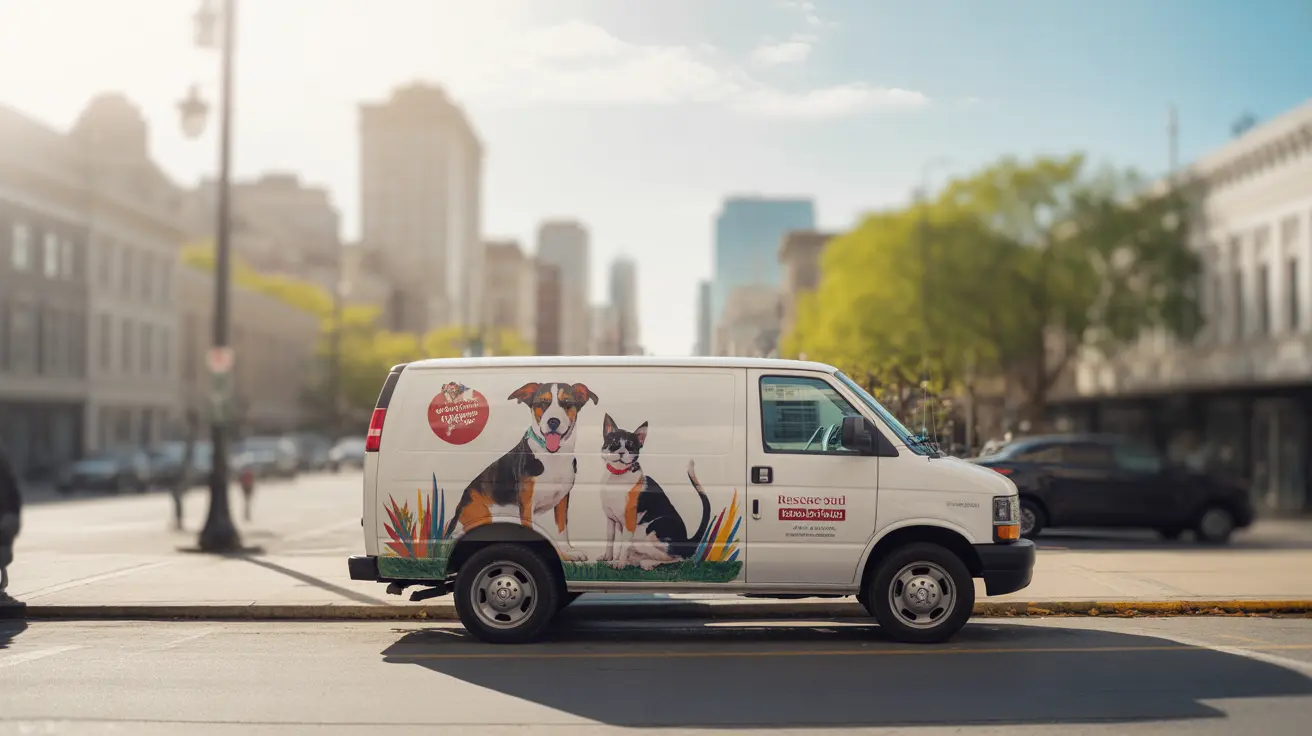
Florence-Lauderdale Animal Services has taken a significant step forward in their life-saving mission with the unveiling of their brand-new animal rescue van. This mobile rescue unit represents a crucial investment in enhancing the shelter's ability to reach animals in need throughout the community and improve their overall live-release rate.
The introduction of this specialized rescue van demonstrates how modern animal welfare services are evolving to become more proactive and efficient in their approach to animal rescue operations. For pet parents and animal advocates in the Florence-Lauderdale area, this development signals a stronger safety net for vulnerable animals and a renewed commitment to achieving no-kill shelter status.
How Mobile Rescue Units Transform Animal Shelter Operations
The new rescue van will significantly enhance Florence-Lauderdale Animal Services' capacity to respond to emergency animal transport situations and conduct stray animal rescue operations more effectively. Mobile rescue units like this one allow shelters to extend their reach beyond their physical facilities, enabling staff to provide immediate assistance to animals in distress.
These specialized vehicles are typically equipped with essential rescue van equipment including secure transport cages, medical supplies, and climate control systems to ensure animals receive proper care during transport. The ability to quickly and safely move animals from dangerous situations to shelter facilities can dramatically improve survival rates and reduce stress on both the animals and rescue personnel.
Supporting No-Kill Shelter Goals and Shelter Euthanasia Prevention
The deployment of this rescue van aligns with broader trends in animal welfare services toward achieving higher live-release rates and implementing shelter euthanasia prevention strategies. When shelters can respond more quickly to reports of animals in need, they often prevent situations from escalating to life-threatening emergencies.
Modern animal shelters are increasingly focused on proactive outreach, community education, and rapid response capabilities. The rescue van enables staff to reach animals who might otherwise never make it to the shelter, particularly in rural or hard-to-access areas where traditional animal control services might face logistical challenges.
What This Means for Local Animal Control Services
For residents wondering how to report animal cruelty or encounters with stray animals, the new rescue van enhances the shelter's ability to respond to community calls for assistance. This mobile unit can serve multiple functions, from emergency rescues to community outreach and education programs.
Local animal control services benefit from having dedicated transport vehicles that allow them to handle multiple situations simultaneously without compromising their ability to care for animals already in their custody. The van also enables the shelter to participate in collaborative rescue efforts with other organizations and transport animals to partner facilities when needed.
Supporting Your Community's Animal Welfare Efforts
Community members looking to donate to animal shelter operations can take inspiration from Florence-Lauderdale's investment in rescue infrastructure. Animal shelter funding for equipment like rescue vans often comes from a combination of municipal budgets, grants, and community donations.
Beyond financial support, pet owners can contribute to rescue efforts by staying informed about proper procedures for reporting stray or injured animals, spaying and neutering their pets to reduce overpopulation, and considering pet adoption from shelters when adding new family members.
Frequently Asked Questions
What is a rescue van and how does it help save more animals?
A rescue van is a specially equipped vehicle designed to safely transport animals from emergency situations to shelter facilities. It helps save more animals by enabling quicker response times, providing secure transport, and allowing shelters to reach animals in remote or dangerous locations that might otherwise be inaccessible.
How do animal shelters achieve no-kill status and what does it mean?
No-kill status typically means a shelter maintains a live-release rate of 90% or higher, only euthanizing animals that are irremediably suffering or pose a public safety risk. Shelters achieve this through comprehensive adoption programs, spay/neuter services, behavioral training, medical care, and community partnerships.
What should I do if I find a stray animal in my area?
If you find a stray animal, contact your local animal control services or animal shelter immediately. Provide the animal's location, condition, and any relevant details. Don't attempt to capture the animal unless you're trained, as stressed animals may bite or flee into dangerous areas.
The launch of Florence-Lauderdale Animal Services' new rescue van represents more than just an equipment upgrade—it symbolizes a community's commitment to protecting its most vulnerable animals. As animal welfare services continue to evolve and improve their capabilities, initiatives like this remind us that every life saved matters and that collective efforts can create meaningful change for animals in need.




