
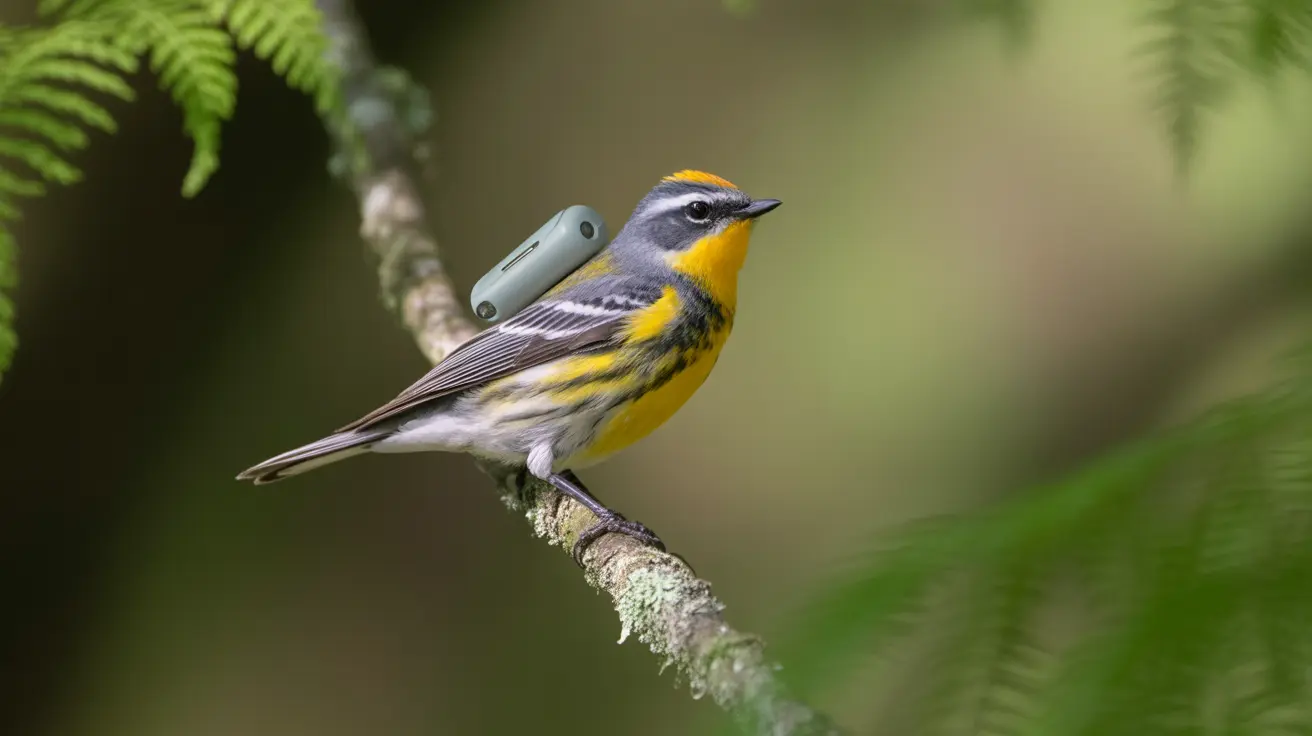
German scientists have successfully relaunched their groundbreaking satellite wildlife tracking system, marking a significant milestone in conservation technology. The "ICARUS internet of animals" project, which uses advanced satellite technology to monitor wildlife movements across the globe, has resumed operations after being disrupted in 2020 due to geopolitical tensions following Russia's invasion of Ukraine.
This revolutionary system represents a major advancement in our understanding of animal behavior, migration patterns, and ecosystem health. For pet owners and wildlife enthusiasts alike, this technology offers unprecedented insights into how animals navigate their world and could eventually influence how we monitor and protect both wild and domestic animals.
How Satellite Wildlife Tracking Works
The ICARUS internet of animals operates through a sophisticated network of lightweight animal tracking tags that communicate with satellites in orbit. These tiny wildlife trackers for birds and other animals collect real-time location data, movement patterns, and environmental information as animals go about their daily lives.
The system uses specialized animal GPS tags that are designed to be lightweight enough not to interfere with natural behaviors. These tags can monitor everything from migration routes to behavioral changes that might indicate environmental threats or disease outbreaks.
Conservation Tracking Technology Benefits
The relaunch of this global animal tracking constellation offers numerous advantages for wildlife conservation efforts. Scientists can now track migration routes with satellites in near real-time wildlife monitoring, providing crucial data for conservation planning and habitat protection.
This technology enables researchers to:
- Monitor endangered species populations across vast territories
- Study climate change impacts on wildlife behavior
- Identify critical habitat corridors that need protection
- Track disease transmission patterns in wild populations
Movebank Animal Movement Data and Research Applications
The data collected through the ICARUS system is processed through Movebank animal movement data platforms, creating a comprehensive database of global wildlife movements. This information helps scientists understand animal behavior patterns, seasonal migrations, and responses to environmental changes.
For pet owners, this research provides valuable insights into animal behavior that can improve our understanding of domestic animal needs. The same principles that govern wild animal movements often apply to pets, helping us create better environments for our companions.
Wildlife Disease Surveillance Satellite Technology
One of the most promising applications of this satellite system is wildlife disease surveillance. The animal-borne environmental sensors can detect changes in animal behavior or movement patterns that might indicate disease outbreaks before they become widespread.
This early warning system could be particularly valuable for detecting zoonotic diseases - those that can transfer from animals to humans. The One Health wildlife tracking approach recognizes the interconnection between human, animal, and environmental health.
Ethical Wildlife Tagging Guidelines
The ICARUS project follows strict ethical wildlife tagging guidelines to ensure animal welfare remains the top priority. The lightweight animal tracking tags are designed to cause minimal disruption to natural behaviors, and extensive testing ensures they don't interfere with feeding, mating, or migration activities.
These guidelines serve as a model for responsible wildlife research and could inform future developments in pet monitoring technology, ensuring any tracking systems for domestic animals prioritize comfort and safety.
CubeSat Wildlife Receivers and Future Technology
The system utilizes advanced CubeSat wildlife receivers that can process signals from thousands of tagged animals simultaneously. This scalable technology platform could potentially expand to monitor even more species and provide increasingly detailed environmental data.
As this technology continues to develop, it may eventually offer applications for pet owners, such as more sophisticated GPS collars or health monitoring systems for domestic animals.
Frequently Asked Questions
How does the ICARUS "internet of animals" track wildlife and could it be used to monitor my local birds or pets?
The ICARUS system uses lightweight satellite tags attached to animals that communicate with orbiting satellites. While currently designed for wildlife research, the technology principles could eventually be adapted for pet monitoring systems, though current tags are primarily used for scientific research on wild animals.
What kind of data do ICARUS tags collect and how accurate is that information?
ICARUS tags collect location data, movement patterns, and environmental information such as temperature and altitude. The satellite-based system provides highly accurate positioning data that helps scientists understand animal behavior, migration routes, and responses to environmental changes.
Are ICARUS tags safe and lightweight enough for small animals?
Yes, the tags are specifically designed to be lightweight and safe for various animal species, including small birds and bats. Researchers follow strict ethical guidelines to ensure the tags don't interfere with natural behaviors, feeding, or reproduction, making animal welfare the top priority in all tagging operations.
Looking Forward
The successful relaunch of the ICARUS internet of animals represents a significant step forward in wildlife conservation and animal behavior research. As this technology continues to evolve, it may provide new insights that benefit both wild animals and our beloved pets, creating a more connected understanding of the animal world around us.




