
Gas forms in a kitten’s digestive tract when bacteria break down food, producing gases such as methane and hydrogen. Normally, these gases pass unnoticed, but when too much builds up, it escapes audibly or with an odor. Young kittens are especially prone to this because their digestive systems are still developing. They may also eat too quickly, swallow air, or react poorly to certain ingredients in their food. Recognizing these triggers early can prevent discomfort and potential health complications later on.
Before assuming the worst, it’s important to remember that occasional gas is normal. However, if your kitten’s flatulence is frequent, smelly, or accompanied by other symptoms like bloating, diarrhea, or loss of appetite, it’s time to look deeper. The following sections explore the most common causes, how to identify them, and what you can do to restore your kitten’s digestive balance.
Common Causes of Kitten Flatulence
Several factors can contribute to a kitten’s gassiness, ranging from diet to behavior. One of the most frequent culprits is diet change. Switching foods too quickly can upset a kitten’s sensitive stomach, leading to fermentation and gas buildup. Low-quality cat food that contains fillers such as corn, soy, or artificial additives can also be difficult to digest. These ingredients often ferment in the gut, producing unpleasant odors and discomfort.
Another common cause is swallowing air, known as aerophagia. Kittens that eat too fast or compete with other pets for food tend to gulp down air along with their meal. This trapped air eventually exits as gas. Additionally, some kittens may have food intolerances or allergies, particularly to dairy or certain proteins like chicken or beef. Even though kittens are often depicted drinking milk, many are lactose intolerant after weaning, which can lead to bloating and flatulence.
Parasites and intestinal infections can also cause excessive gas. Worms, giardia, or bacterial imbalances disrupt normal digestion, leading to fermentation and foul-smelling stools. Stress is another overlooked factor; a new environment, loud noises, or changes in routine can affect gut motility and cause temporary digestive upset. Understanding these causes helps you pinpoint what might be affecting your kitten and take appropriate action.
- Sudden dietary changes or low-quality food with fillers
- Eating too quickly and swallowing air
- Food intolerances or allergies (especially to dairy)
- Intestinal parasites or bacterial infections
- Stress or environmental changes affecting digestion
By identifying which of these factors apply to your kitten, you can begin to make small but effective adjustments that reduce gas and improve overall well-being. The next section explores practical solutions to manage and prevent this issue.
Effective Solutions to Reduce Kitten Gas
Once you’ve identified potential causes, addressing your kitten’s flatulence becomes much easier. The first step is to evaluate their diet. Choose high-quality kitten food that lists real meat as the first ingredient and avoids fillers like corn or wheat. Gradually transition to new food over a week to prevent digestive shock. If you suspect a food allergy, try a limited-ingredient or hypoallergenic formula under your veterinarian’s guidance. Avoid giving your kitten cow’s milk or table scraps, as these can trigger gas and stomach upset.
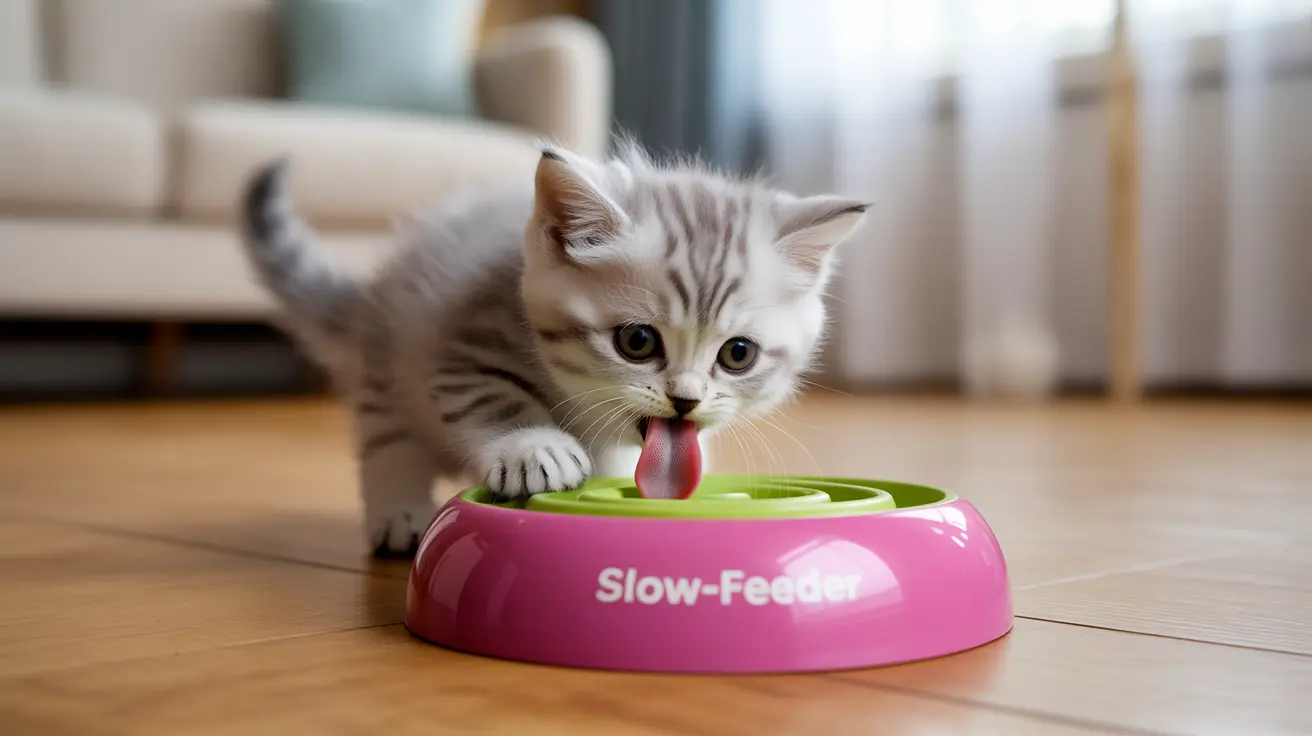
Feeding habits also play a major role. If your kitten eats too fast, consider using a slow-feeder bowl or dividing meals into smaller portions throughout the day. This helps reduce swallowed air and promotes better digestion. Ensure your kitten always has access to fresh water, as hydration supports healthy bowel movements and prevents constipation-related gas buildup.
Regular deworming and veterinary checkups are essential. Parasites can be a hidden cause of chronic gas, and only a vet can confirm their presence through stool tests. Your veterinarian may also recommend probiotics, which introduce beneficial bacteria to balance the gut microbiome. These supplements can significantly reduce gas and improve stool consistency. Finally, maintain a calm feeding environment—stress-free mealtimes help kittens digest food more efficiently and minimize gastrointestinal distress.
Implementing these solutions not only reduces flatulence but also supports your kitten’s long-term digestive health. Once your kitten’s diet and habits are stabilized, you can focus on preventive care to ensure the issue doesn’t return.
Preventing Future Digestive Problems
Prevention is always better than treatment when it comes to digestive health. Establishing consistent feeding routines and choosing the right food are key. Stick to a balanced diet formulated specifically for kittens, as their nutritional needs differ from adult cats. Avoid frequent food changes unless necessary, and when switching, do so gradually by mixing small amounts of the new food with the old over several days. This allows your kitten’s digestive system to adjust smoothly.
Cleanliness also plays a vital role in prevention. Wash food and water bowls daily to prevent bacterial buildup that could upset your kitten’s stomach. Keep litter boxes clean, as poor hygiene can lead to parasite reinfection. Regular grooming helps reduce hair ingestion, which can contribute to digestive blockages and gas. If your kitten spends time outdoors, schedule routine parasite prevention treatments as recommended by your vet.
Exercise and playtime are equally important. Physical activity stimulates digestion and helps move gas through the intestines more efficiently. Encourage your kitten to play with toys, climb, and explore safely. A healthy, active kitten is less likely to experience digestive sluggishness or bloating. By combining proper nutrition, hygiene, and activity, you create a foundation for lifelong digestive health and comfort.
- Feed a consistent, high-quality kitten diet
- Transition foods gradually to avoid stomach upset
- Maintain clean feeding and litter areas
- Provide regular exercise and playtime
- Schedule routine vet visits and parasite prevention
These preventive steps not only minimize gas but also strengthen your kitten’s immune system and overall vitality. The next section discusses when it’s time to seek professional help if your kitten’s symptoms persist.
When to See a Veterinarian
While mild gas is usually harmless, persistent or severe flatulence can indicate an underlying medical issue that requires professional attention. If your kitten’s gas is accompanied by diarrhea, vomiting, loss of appetite, or lethargy, it’s important to consult a veterinarian promptly. These symptoms may point to infections, parasites, or food intolerances that need medical treatment. A vet can perform diagnostic tests such as fecal analysis or blood work to identify the root cause.
In some cases, chronic gas may be linked to inflammatory bowel disease (IBD) or other gastrointestinal disorders. Early detection is crucial for effective management. Your veterinarian may recommend dietary adjustments, prescription food, or medications to reduce inflammation and restore gut balance. Never attempt to treat your kitten with over-the-counter remedies without veterinary guidance, as some human medications can be toxic to cats.
Regular checkups also help catch potential issues before they escalate. Even if your kitten seems healthy, routine vet visits ensure vaccinations, parasite control, and nutritional needs are up to date. By maintaining open communication with your veterinarian, you can keep your kitten’s digestive system functioning smoothly and prevent recurring gas problems.
Kitten flatulence is a common but manageable issue that often stems from diet, feeding habits, or minor digestive sensitivities. By understanding the causes and implementing thoughtful solutions—such as improving diet quality, slowing down mealtime, and maintaining good hygiene—you can significantly reduce your kitten’s discomfort. Preventive care, including regular vet visits and parasite control, ensures that your furry friend grows into a healthy, happy adult cat with a well-functioning digestive system.
Ultimately, a little attention to what your kitten eats and how they eat can make a big difference. Occasional gas is normal, but persistent symptoms deserve professional evaluation. With patience, observation, and proper care, you can keep your kitten’s tummy—and your home—comfortable and odor-free.
FAQ
Why does my kitten fart so much?
Excessive gas in kittens often results from dietary issues, such as low-quality food, sudden diet changes, or ingredients that are hard to digest. Eating too quickly can also cause them to swallow air, which later escapes as gas. In some cases, intestinal parasites or food intolerances may be to blame. If your kitten’s flatulence is frequent or accompanied by other symptoms like diarrhea or bloating, consult your veterinarian to rule out underlying health problems.
Is it normal for kittens to fart?
Yes, occasional gas is perfectly normal for kittens. Their digestive systems are still developing, and minor flatulence can occur as they adjust to new foods. However, if the gas is persistent, foul-smelling, or associated with discomfort, it may indicate a dietary imbalance or digestive issue that needs attention. Monitoring their diet and feeding habits can help determine whether the gas is harmless or a sign of something more serious.
Can kitten food cause gas?
Some commercial kitten foods contain fillers, artificial additives, or low-quality proteins that are difficult to digest. These ingredients can ferment in the intestines, producing excess gas. Switching to a high-quality, grain-free, or limited-ingredient diet can often resolve the issue. Always transition to new food gradually to avoid upsetting your kitten’s stomach. If gas persists despite dietary changes, consult your vet for further evaluation.
Should I be worried if my kitten’s gas smells bad?
While mild odor is normal, extremely foul-smelling gas can signal digestive trouble. It may indicate poor food absorption, bacterial imbalance, or even intestinal parasites. Persistent bad odor should not be ignored, especially if accompanied by other symptoms like loose stools or vomiting. A veterinarian can perform tests to identify the cause and recommend appropriate treatment or dietary adjustments.
Can stress cause my kitten to fart more?
Yes, stress can influence digestion in kittens. Changes in environment, loud noises, or new pets can disrupt gut motility and lead to temporary gas buildup. Creating a calm, predictable environment and maintaining consistent feeding times can help reduce stress-related digestive issues. If your kitten’s gas continues after they’ve settled in, consider consulting your vet to rule out other causes.
How can I help my kitten eat slower?
If your kitten tends to gulp food, try using a slow-feeder bowl or spreading food across a flat plate to make them eat more slowly. You can also divide meals into smaller portions throughout the day. Slower eating reduces the amount of air swallowed and improves digestion. Over time, your kitten will learn to eat at a more comfortable pace, which can significantly reduce gas and bloating.
Can probiotics help with kitten gas?
Probiotics can be very beneficial for kittens with digestive issues. They introduce healthy bacteria into the gut, improving digestion and reducing gas production. Many veterinarians recommend probiotic supplements or foods fortified with live cultures for kittens prone to flatulence. However, always consult your vet before introducing any new supplement to ensure it’s safe and appropriate for your kitten’s age and health condition.
When should I take my kitten to the vet for gas?
If your kitten’s gas is persistent, extremely smelly, or accompanied by symptoms like diarrhea, vomiting, or loss of appetite, it’s time to see a veterinarian. These signs may indicate parasites, infections, or food intolerances that require medical treatment. Early intervention helps prevent complications and ensures your kitten’s digestive system develops properly. Routine vet visits also help monitor overall health and catch potential issues early.
Can milk cause gas in kittens?
Yes, milk is a common cause of gas in kittens. After weaning, most cats lose the enzyme lactase, which is needed to digest lactose in milk. Drinking milk can therefore lead to bloating, diarrhea, and flatulence. Instead of cow’s milk, provide fresh water and kitten-formulated milk replacers if needed. Avoid giving dairy products altogether once your kitten is eating solid food comfortably.
What home remedies can I try for kitten gas?
Simple home remedies include adjusting your kitten’s diet, feeding smaller meals, and ensuring they have plenty of water. Gentle belly massages can also help move trapped gas through the intestines. However, avoid giving human medications or herbal remedies without veterinary approval, as some can be harmful to cats. If symptoms persist, professional evaluation is the safest course of action.




