
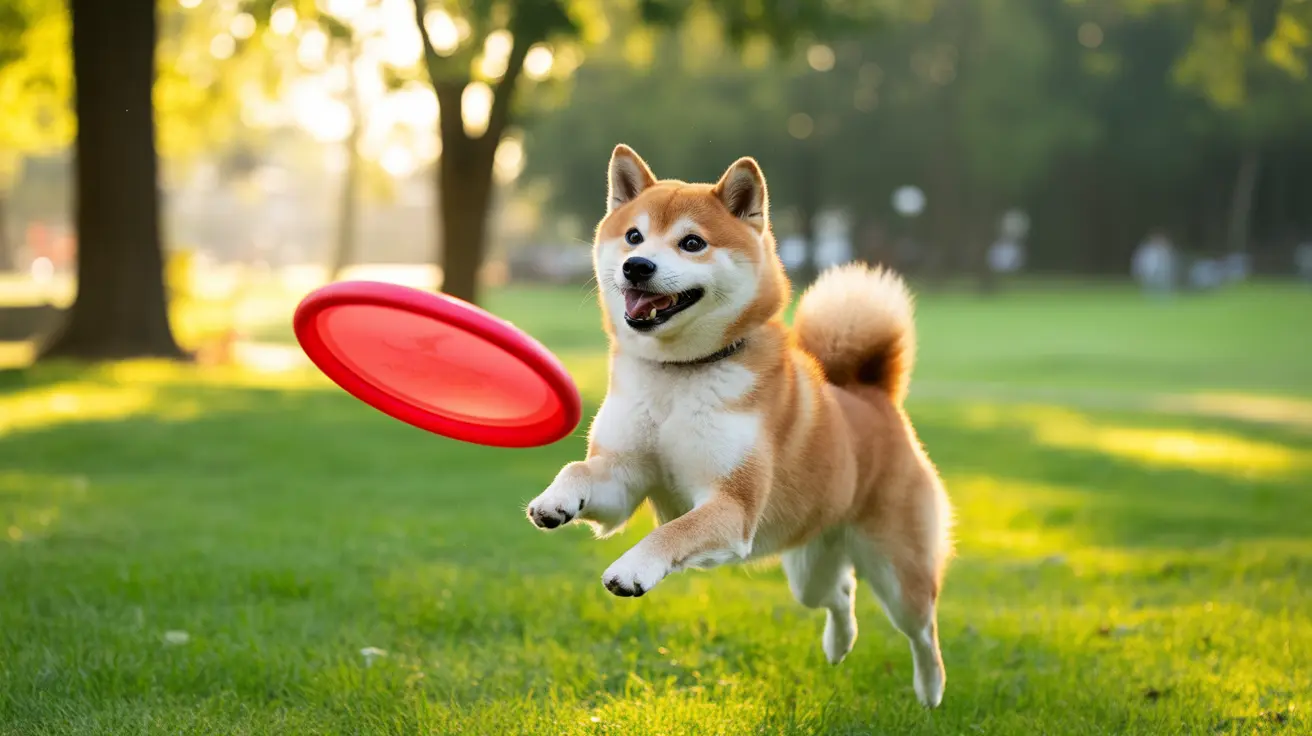
While it might appear humorous or even flattering, the reasons behind this attraction are rooted in biology, scent recognition, and social conditioning rather than romantic interest. Dogs, being highly perceptive animals, respond to subtle cues in human behavior, hormones, and body language that can trigger instinctive reactions similar to those they display toward other dogs.
Understanding this phenomenon requires looking beyond surface-level assumptions. Dogs interpret the world primarily through scent and body language, not through human concepts of attraction. When a male dog seems “interested” in a woman, it’s often because her scent profile or tone of voice reminds him of familiar, comforting experiences. In other cases, hormonal changes in women—such as those occurring during menstrual cycles or pregnancy—can produce scents that intrigue a dog’s sensitive nose. Recognizing these factors helps owners interpret their pets’ actions more accurately and respond appropriately.
This topic has gained attention in recent years as more pet owners share stories online about their dogs’ seemingly flirtatious behavior. However, experts emphasize that what looks like attraction is usually a mix of instinct, curiosity, and social bonding. By exploring the biological and environmental influences behind these behaviors, we can better understand how dogs perceive humans and strengthen our relationships with them.
The Science Behind Canine Attraction and Scent Recognition
Dogs possess an extraordinary sense of smell—estimated to be tens of thousands of times more sensitive than that of humans. This heightened olfactory ability allows them to detect pheromones, the chemical signals animals use to communicate reproductive status and emotional states. When a male dog encounters a woman, he may pick up on subtle hormonal cues that remind him of a female dog in heat. These signals can trigger instinctive responses, such as sniffing, licking, or following behavior, even though the dog does not consciously associate the woman with mating.
Research cited by veterinary behaviorists indicates that female humans emit varying scent profiles depending on hormonal fluctuations. During ovulation or menstruation, for instance, certain pheromone-like compounds become more pronounced. Male dogs, guided by instinct, may respond to these scents with heightened curiosity or excitement. This reaction is not sexual in the human sense but rather a biological reflex to chemical stimuli that the dog’s brain interprets as significant.
Beyond hormones, other factors such as perfumes, lotions, or even diet can influence how a person smells to a dog. Many grooming products contain animal-derived ingredients or floral notes that mimic natural pheromones. A woman who uses such products might unknowingly attract more attention from male dogs. Understanding this interplay between scent and behavior helps owners manage interactions more effectively and avoid misinterpreting their pets’ actions as inappropriate or alarming.
Behavioral and Social Influences on Dog-Human Interaction
While scent plays a major role, behavioral cues also shape how dogs respond to people. Women often use softer tones of voice and gentler gestures when interacting with animals, which can make them appear more approachable to dogs. Male dogs, especially those that are affectionate or socially motivated, may gravitate toward individuals who display nurturing behaviors. This preference is not about gender per se but about the emotional signals the person conveys through posture, tone, and energy.
Dogs are also highly attuned to patterns of attention and reward. If a woman frequently pets, feeds, or speaks kindly to a dog, he learns to associate her presence with positive experiences. Over time, this conditioning can create what looks like attraction but is actually a learned response to affection and care. In multi-person households, dogs often show favoritism toward the person who spends the most time with them or provides the most consistent reinforcement.
Socialization history further influences these behaviors. A male dog raised primarily around women may feel more comfortable and secure in their presence. Conversely, a dog that has had limited exposure to men might appear more reserved or cautious around them. Recognizing these patterns allows owners to balance interactions and ensure that their pets develop healthy, well-rounded social habits.
Managing and Redirecting Overly Affectionate Behavior
When a male dog’s attention toward a woman becomes excessive—such as persistent sniffing, mounting attempts, or guarding behavior—it’s important to address it calmly and consistently. These actions are not signs of dominance or true sexual attraction but rather expressions of overstimulation or confusion. Training and redirection can help the dog understand appropriate boundaries while maintaining a positive relationship with the person involved.
Experts recommend using structured routines and clear commands to manage such behavior. Teaching cues like “sit,” “stay,” or “leave it” provides the dog with alternative actions that redirect his focus. Rewarding calm behavior reinforces self-control and reduces fixation. In some cases, neutering may also decrease hormonally driven behaviors, though it is not a guaranteed solution for every dog.
- Provide consistent training and positive reinforcement for calm interactions.
- Limit exposure to triggers, such as certain scents or overly stimulating environments.
- Encourage exercise and mental enrichment to reduce excess energy.
- Consult a certified trainer or veterinary behaviorist if behaviors persist.
By addressing the root causes rather than punishing the dog, owners can help their pets develop balanced responses to human companionship. This approach fosters trust and ensures that affection remains healthy and mutually enjoyable.
Building Healthy Human-Dog Relationships
Understanding the biological and emotional factors behind a dog’s behavior allows owners to strengthen their bond with their pets. Dogs thrive on clear communication, consistency, and empathy. When owners interpret their dogs’ actions through a lens of curiosity rather than embarrassment, they can respond in ways that reinforce trust and respect. Recognizing that what appears as attraction is often a mix of scent recognition, learned behavior, and affection helps prevent misunderstandings.
Creating a balanced relationship involves setting boundaries while providing affection and mental stimulation. Regular walks, playtime, and training sessions give dogs outlets for their energy and curiosity. Positive reinforcement—rewarding desired behaviors rather than punishing unwanted ones—encourages emotional stability and strengthens the human-animal bond. Over time, this approach leads to a more harmonious household where both dog and owner feel secure and understood.
Ultimately, the key to managing any form of canine attachment lies in empathy and education. By learning how dogs perceive the world, owners can guide their pets toward appropriate behavior while appreciating the deep emotional intelligence that makes dogs such beloved companions. This understanding transforms moments of confusion into opportunities for connection and growth.
Male dogs showing interest in female humans is a natural, multifaceted behavior rooted in biology, scent recognition, and social learning. Rather than viewing it as strange or inappropriate, owners can interpret it as a reflection of their dog’s sensitivity to human cues. Through awareness, training, and compassion, these behaviors can be managed effectively, ensuring that affection remains positive and respectful. By deepening our understanding of canine perception, we not only improve our pets’ well-being but also enrich the unique bond that has connected humans and dogs for thousands of years.
FAQ
Why do male dogs seem more drawn to women than men?
Male dogs often respond more strongly to women because of differences in scent, tone, and behavior. Women tend to use softer voices and gentler gestures, which dogs interpret as friendly and non-threatening. Additionally, hormonal variations in women can produce scents that intrigue a dog’s sensitive nose. These factors combined create a sense of comfort and familiarity, leading the dog to seek more interaction. However, this attraction is not romantic—it’s a mix of instinct, conditioning, and emotional association.
Can a dog actually be sexually attracted to a human?
No, dogs do not experience sexual attraction to humans in the same way they do toward other dogs. When a male dog displays mounting or sniffing behavior toward a person, it’s usually a sign of overstimulation, dominance play, or confusion triggered by scent. These actions are instinctive rather than emotional. Proper training, redirection, and sometimes neutering can help reduce such behaviors. Understanding the biological basis prevents misinterpretation and ensures the dog’s actions are managed appropriately.
Do female hormones really affect how dogs behave?
Yes, hormonal changes in women can influence how dogs respond to them. During menstruation, pregnancy, or ovulation, women emit different scent compounds that dogs can detect. These scents may remind male dogs of pheromones released by female dogs in heat, prompting curiosity or excitement. While this reaction is instinctive, it’s not harmful or unusual. Maintaining calm interactions and redirecting attention through play or training helps manage the dog’s response effectively.
How can I stop my dog from acting overly affectionate toward one person?
If your dog fixates on one person, establish consistent boundaries and reinforce balanced interactions. Encourage the dog to spend time with other family members and reward calm behavior around everyone. Structured training sessions, mental stimulation, and regular exercise can reduce obsessive tendencies. Avoid scolding or isolating the dog, as that can increase anxiety. Instead, focus on positive reinforcement and clear communication to teach appropriate social behavior.
Does neutering prevent this kind of behavior?
Neutering can reduce hormonally driven behaviors such as mounting or marking, but it doesn’t automatically eliminate attraction-like responses. Learned habits and environmental triggers may still influence the dog’s actions. Combining neutering with consistent training and socialization yields the best results. Consulting a veterinarian or behaviorist can help determine whether hormonal factors are contributing to the behavior and what additional steps might be beneficial.
Are certain dog breeds more likely to show this behavior?
While all male dogs can display curiosity toward women, some breeds with strong scent-driven instincts—such as hounds or retrievers—may react more noticeably. These breeds rely heavily on olfactory cues and may be more responsive to hormonal or environmental scents. However, individual temperament, upbringing, and training play a larger role than breed alone. Proper socialization from an early age helps minimize exaggerated responses regardless of breed.
Is it normal for my dog to sniff me more during my menstrual cycle?
Yes, it’s completely normal. Dogs can detect subtle changes in body chemistry, and menstrual blood carries distinct scents that interest them. This behavior is purely instinctive and not a sign of inappropriate attraction. If the sniffing becomes intrusive, gently redirect your dog’s attention with a command or toy. Maintaining consistent boundaries teaches the dog respectful behavior while acknowledging his natural curiosity.
What should I do if my dog tries to mount a person?
Mounting can occur for several reasons, including excitement, stress, or dominance play. The best response is to calmly interrupt the behavior with a firm “no” or “off” command and redirect the dog to a more appropriate activity, such as sitting or fetching a toy. Avoid yelling or physical punishment, as that can increase anxiety. Consistent training and adequate exercise help reduce the frequency of such incidents over time.
Can dogs sense when a woman is pregnant?
Yes, many dogs can detect pregnancy through scent and behavioral cues. Hormonal changes alter a woman’s natural odor, and dogs may respond with increased attention, protectiveness, or curiosity. Some dogs become more affectionate, while others act cautious or confused. These reactions are normal and usually temporary. Maintaining routine and offering reassurance helps the dog adjust smoothly to the changes in the household dynamic.
How can I strengthen my bond with my dog while maintaining boundaries?
Building a healthy relationship involves balancing affection with structure. Spend quality time through walks, play, and training, but also establish clear rules about personal space and acceptable behavior. Reward calmness and obedience rather than clinginess or overexcitement. Dogs thrive on consistency and positive reinforcement, so maintaining predictable routines fosters trust and respect. Over time, this approach deepens emotional connection while ensuring mutual comfort and understanding.




