
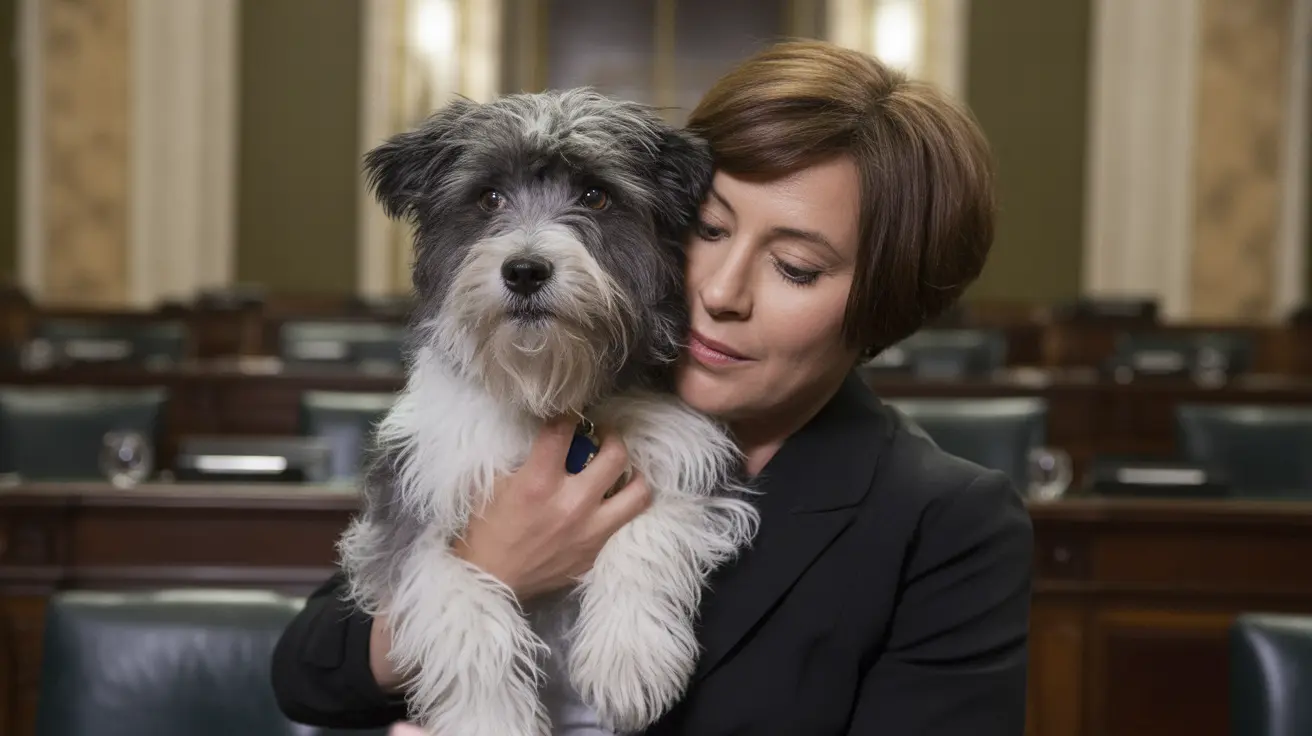
Understanding the Animal Cruelty and Violence Link
Republican Representative Nancy Mace of South Carolina has introduced new federal legislation that directly addresses the well-documented connection between animal cruelty and violence toward humans. The Illegal Alien Animal Abuser Removal Act of 2026 would make any illegal immigrant convicted of animal abuse immediately deportable and permanently inadmissible to the United States.
This legislation recognizes what animal welfare experts and law enforcement have long understood: animal cruelty often serves as a predictor of violent behavior toward people. For pet owners and animal advocates, this bill represents a significant step forward in protecting vulnerable animals while addressing broader public safety concerns.
The connection between animal abuse and human violence is supported by extensive research and criminal justice data. Studies consistently show that individuals who abuse animals are five times more likely to commit violent crimes against people, including domestic violence, child abuse, and other forms of violent behavior. This is why the FBI now recognizes animal abuse as a warning sign of escalating violence.
The legislation specifically targets convictions under federal statutes like the Animal Welfare Act, as well as state, tribal, and local laws covering animal cruelty, animal abuse, and animal fighting offenses. This comprehensive approach ensures that various forms of animal mistreatment are covered, from individual acts of cruelty to organized activities like dogfighting.
Domestic Violence and Pet Abuse Connection
One of the most troubling aspects of animal abuse is its frequent occurrence alongside domestic violence. Research reveals that in 71% of domestic violence cases, abusers also target pets as a means of control and emotional manipulation. Even more disturbing, 89% of women in abusive relationships report that their animals were threatened, harmed, or killed by their abusers.
This pattern demonstrates how abusers use animals as tools of psychological warfare, knowing that threatening or harming a beloved pet can be devastatingly effective in maintaining control over their human victims. For many domestic violence survivors, concern for their pets' safety becomes a significant barrier to seeking help or leaving dangerous situations.
Federal Animal Welfare Laws and Enforcement
The proposed legislation builds upon existing federal animal welfare laws by adding immigration consequences to animal cruelty convictions. Under current federal law, various forms of animal abuse are already prohibited, but enforcement has often been inconsistent. By connecting animal abuse convictions to immigration status, the bill creates additional accountability for these crimes.
The bill applies to both misdemeanor and felony convictions, recognizing that animal abuse at any level represents a serious concern for public safety. This approach acknowledges that even seemingly minor acts of animal cruelty can escalate into more severe forms of violence over time.
Protecting Animals from Abuse Through Legislative Action
Representative Mace has demonstrated a consistent commitment to animal welfare through various legislative initiatives. She previously secured provisions in the FY26 National Defense Authorization Act that banned cruel animal testing by the Department of Defense. Additionally, she introduced the PAAW Act to prevent NIH-funded experiments that cause significant pain to dogs and cats.
This latest bill represents a natural extension of her animal welfare advocacy, connecting immigration enforcement with animal protection in a way that addresses multiple public safety concerns simultaneously. The legislation recognizes that protecting animals often means protecting vulnerable humans as well.
Animal Fighting Penalties and Deportation Consequences
The bill specifically addresses organized animal fighting, including dogfighting operations that often involve additional criminal activities such as gambling, drug trafficking, and weapons violations. By making participation in these activities grounds for deportation, the legislation targets criminal networks that exploit animals for profit while endangering communities.
Animal fighting rings represent some of the most severe forms of animal abuse, often involving systematic torture and conditioning of animals for violent purposes. The psychological profile of individuals involved in these activities frequently includes a willingness to engage in violence against humans as well.
Frequently Asked Questions
What is the connection between animal cruelty and violence toward humans?
Research shows that individuals who abuse animals are five times more likely to commit violent crimes against people, including domestic violence, child abuse, and other violent behavior, which is why the FBI recognizes animal abuse as a warning sign of escalating violence.
How does Nancy Mace's new bill target illegal immigrants convicted of animal cruelty?
The Illegal Alien Animal Abuser Removal Act of 2026 makes any illegal immigrant convicted of animal cruelty or animal fighting under federal, state, tribal, or local law permanently inadmissible to the U.S. and immediately deportable, covering both misdemeanor and felony convictions.
Why is animal abuse considered a predictor of domestic violence?
Studies show that in 71% of domestic violence cases, abusers also target pets, and 89% of women in abusive relationships report their animals were threatened, harmed, or killed, demonstrating how abusers use animals as tools of control and emotional violence.
What types of animal offenses would result in deportation under this new legislation?
The bill applies to convictions for animal cruelty, animal abuse, and animal fighting offenses, including dogfighting, under federal statutes like the Animal Welfare Act as well as state, tribal, and local laws.
Has Nancy Mace championed other animal welfare legislation?
Yes, Mace secured provisions in the FY26 National Defense Authorization Act banning cruel animal testing by the Department of Defense and introduced the PAAW Act to stop NIH-funded experiments causing significant pain to dogs and cats.
This groundbreaking legislation represents a crucial step forward in recognizing the serious nature of animal abuse and its connection to broader patterns of violence. For pet owners and animal advocates, it demonstrates that lawmakers are beginning to understand that protecting animals is fundamentally about protecting our communities as a whole.




