
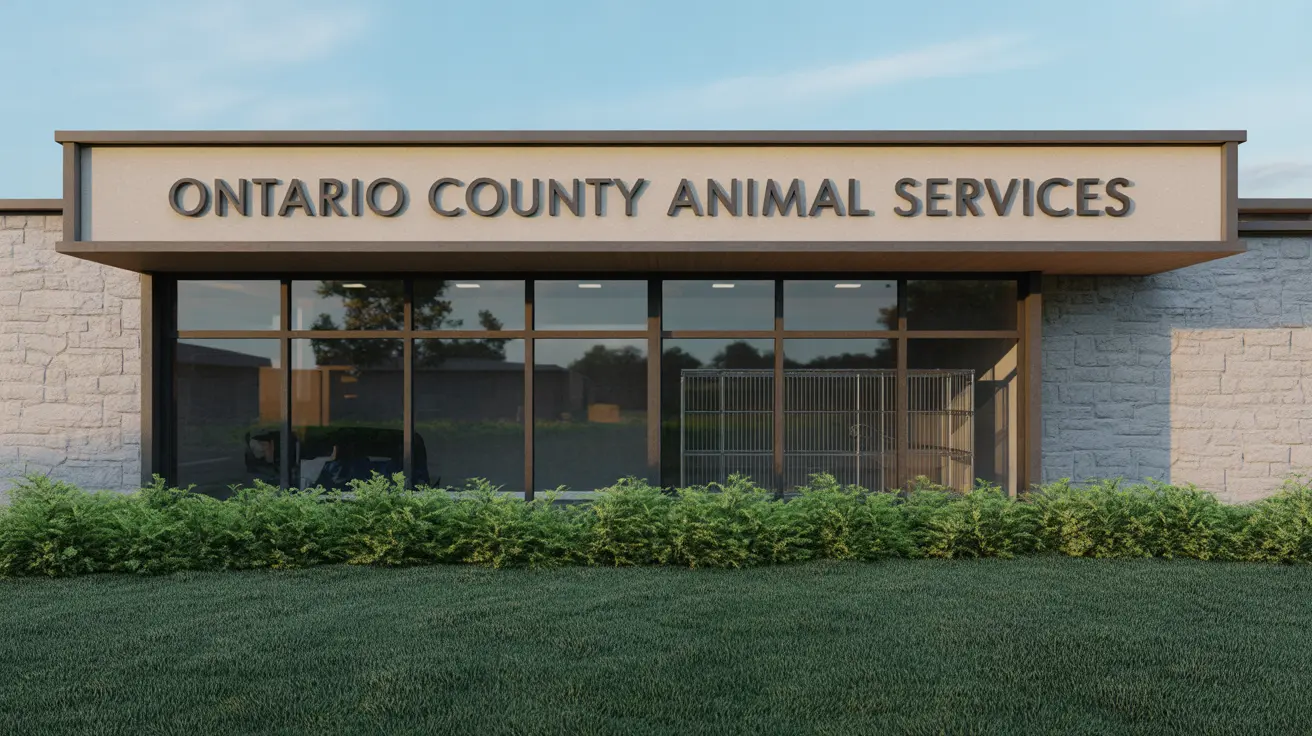
Two women from Ontario County face serious animal cruelty and child endangerment charges following an investigation that began in early February. The arrests, made on Friday, highlight the ongoing crisis of animal hoarding that continues to overwhelm local shelters and endanger both pets and people in affected households.
This case underscores the complex nature of animal hoarding situations, where the welfare of animals and children often intersect. For pet parents and community members, understanding the signs and consequences of animal hoarding can help prevent similar tragedies and protect vulnerable animals and families.
The Investigation and Arrests
According to reports, Linda Kline and Rosalie Kline were arrested and charged in connection with an incident that prompted an initial response from authorities in early February. The charges include both animal cruelty and child endangerment, indicating that the conditions in the home posed risks to multiple vulnerable parties.
Animal hoarding cases often develop gradually, with pet owners initially having good intentions but losing control as animal populations grow beyond their capacity to provide proper care. These situations typically involve inadequate food, water, shelter, and veterinary care for large numbers of animals.
Understanding Animal Hoarding and Its Impact
Animal hoarding is a complex behavioral issue that affects thousands of animals across the United States each year. Unlike responsible pet ownership, hoarding situations are characterized by the accumulation of animals beyond what someone can adequately care for, often resulting in deteriorating conditions for both the animals and human occupants.
Health and Safety Concerns
In hoarding situations, animals frequently suffer from malnutrition, untreated medical conditions, and overcrowded living spaces. The accumulation of waste and lack of proper sanitation can create hazardous environments that pose serious health risks to everyone in the home, including children.
These conditions often lead to the spread of parasites, infectious diseases, and respiratory problems among the animals. The poor air quality and unsanitary conditions can also impact human health, particularly affecting vulnerable populations like children and elderly residents.
Child Endangerment in Animal Hoarding Cases
The inclusion of child endangerment charges in this Ontario County case reflects a troubling pattern seen in many animal hoarding situations. When homes become overwhelmed with animals, children living in these environments often face exposure to unsanitary conditions, potential disease transmission, and psychological trauma.
Child endangerment charges in hoarding cases typically stem from authorities determining that the living conditions pose a substantial risk to a child's physical or mental health. This can include exposure to animal waste, lack of clean living spaces, or situations where basic needs cannot be met due to the overwhelming presence of animals.
The Strain on Local Animal Shelters
Cases like the one involving Linda and Rosalie Kline create significant challenges for local animal welfare organizations. When authorities seize large numbers of animals from hoarding situations, shelters must suddenly accommodate dozens or even hundreds of animals that often require immediate medical attention and rehabilitation.
Many of these rescued animals need extensive veterinary care, behavioral rehabilitation, and patient socialization before they can be considered ready for adoption. This process can take months, straining shelter resources and limiting space for other animals in need.
How Communities Can Help
Pet owners and community members play a crucial role in preventing animal hoarding situations and supporting affected animals. Early intervention is often key to preventing situations from escalating to the point where criminal charges become necessary.
If you suspect animal hoarding in your community, contact local animal control or humane society officials. Signs may include strong odors, excessive numbers of animals, neglected property conditions, or animals that appear malnourished or untreated for medical conditions.
Moving Forward: Prevention and Support
The Ontario County animal cruelty case serves as a reminder of the importance of responsible pet ownership and community awareness. For current pet parents, ensuring you can provide adequate care, including regular veterinary checkups, proper nutrition, and appropriate living conditions, is essential for animal welfare.
Supporting local animal shelters through donations, volunteering, or adoption can help organizations better respond to crisis situations like hoarding cases. These organizations often need additional resources to care for animals rescued from neglect situations and find them loving forever homes.
Frequently Asked Questions
What happened in the Ontario County animal cruelty case involving Linda and Rosalie Kline?
Linda and Rosalie Kline were arrested and charged with animal cruelty and child endangerment following an investigation that began with an incident in early February. The specific details of the charges suggest that authorities found conditions in their home that posed risks to both animals and children present in the residence.
How does animal hoarding lead to child endangerment in homes like the Hopewell incident?
Animal hoarding creates unsanitary and potentially dangerous living conditions that can harm children's physical and mental health. Overcrowded homes with inadequate care for multiple animals often result in poor air quality, exposure to disease, and environments where children's basic needs cannot be adequately met.
How can I help the Ontario County Humane Society with their animal overcrowding crisis?
You can support local animal welfare organizations by adopting pets, volunteering your time, making monetary donations, or donating supplies like food, blankets, and cleaning materials. Additionally, spaying and neutering your pets helps reduce overall pet overpopulation, which contributes to shelter overcrowding during crisis situations.




