
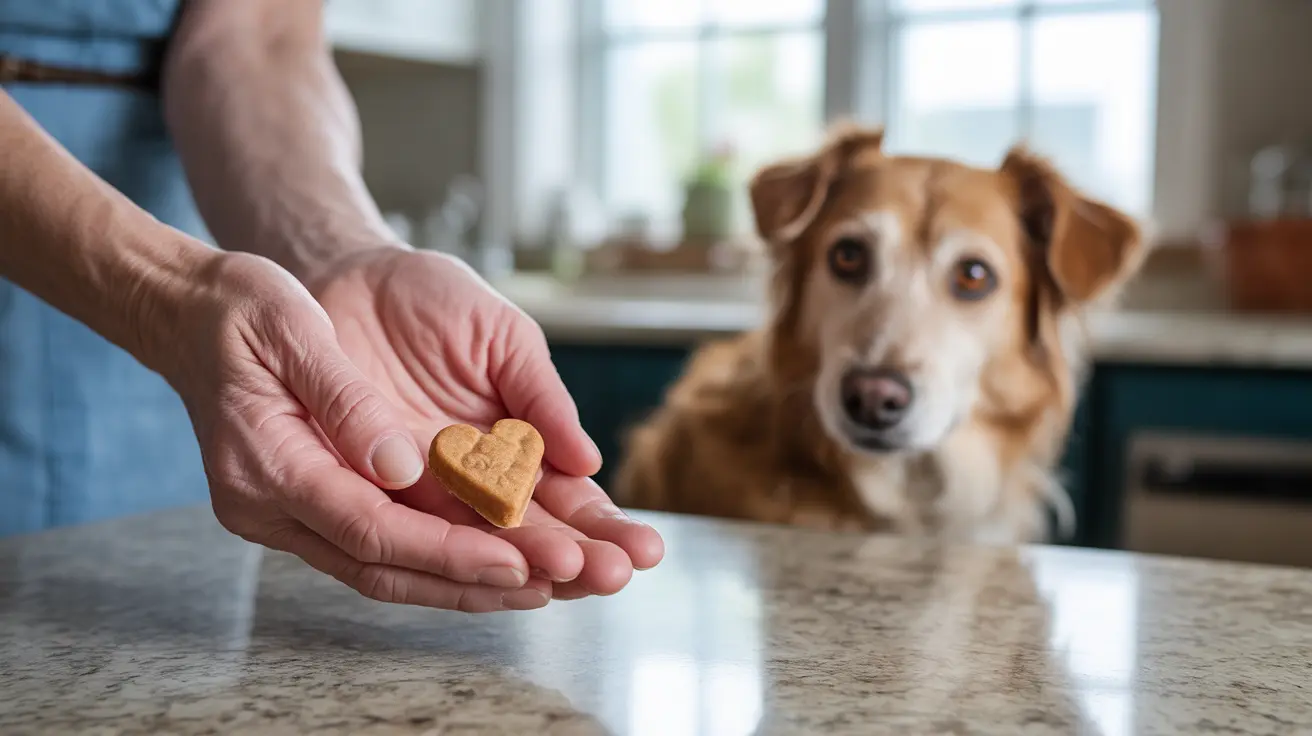
A disturbing case of animal cruelty has reached its conclusion in Pennsylvania, where a man has pleaded guilty to deliberately placing fishhooks and razor blades in dog treats. This shocking incident involving tampered dog treats has sent ripples of concern through pet-owning communities across the state and serves as a stark reminder of the dangers that can threaten our beloved companions in unexpected ways.
Michael Burdo's guilty plea marks the end of a case that has highlighted the vulnerability of pets and the importance of vigilant pet ownership. The deliberate tampering of dog treats represents one of the most heinous forms of animal abuse, putting innocent animals at risk of severe injury or death.
Understanding the Pennsylvania Animal Cruelty Case
The case against Michael Burdo involved the intentional placement of dangerous objects in dog treats, creating potentially lethal hazards for unsuspecting pets. While specific details about how the tampered treats were distributed remain limited in the available information, the guilty plea confirms the deliberate nature of these cruel acts.
Pennsylvania animal cruelty laws take such offenses seriously, recognizing that intentional harm to animals reflects broader concerns about public safety and community welfare. Cases involving tampered pet food or treats are particularly concerning because they target vulnerable animals whose owners trust that basic pet products are safe.
Recognizing Signs of Tampered Pet Treats
Pet owners must remain vigilant about the treats and food they give their companions. Fishhooks in dog treats or other foreign objects can cause devastating injuries, including severe lacerations to the mouth, throat, and digestive system. Dog mouth injuries from hooks can be life-threatening and require immediate veterinary intervention.
When examining treats, look for any unusual shapes, protruding objects, or signs that the treat has been altered. Fresh treats that appear to have holes, cuts, or foreign materials embedded within them should never be given to pets. Additionally, be cautious about treats found in public areas or those offered by strangers.
Protecting Your Pet from Neighborhood Dangers
While cases like the Burdo incident are rare, they underscore the importance of maintaining safe dog walking paths and being aware of potential neighborhood pet poisoning threats. Always supervise your dog during walks and prevent them from picking up unknown objects or treats from the ground.
Dog treat tampering prevention starts with purchasing treats only from reputable sources and carefully inspecting any treat before offering it to your pet. Store-bought treats from established brands undergo safety testing and quality control measures that help ensure pet safety.
Emergency Response for Injured Pets
If you suspect your dog has consumed a tampered treat or has a foreign object in their mouth, seek immediate veterinary care. Vet care for lacerated dog mouth requires professional treatment, as attempting to remove fishhooks or other sharp objects yourself can cause additional damage.
Signs that your pet may have ingested something dangerous include excessive drooling, pawing at the mouth, difficulty swallowing, vomiting, or visible distress. Time is critical in these situations, and prompt professional treatment can make the difference between recovery and tragic loss.
Community Response and Prevention
Intentional animal abuse cases like this one require community awareness and cooperation. If you witness suspicious behavior or discover tampered pet products in your neighborhood, contact local authorities immediately. Most areas have animal cruelty hotlines where concerned citizens can report potential threats to pet safety.
Building awareness within pet-owning communities helps create a network of protection for all animals. Share information about potential dangers with fellow pet owners and remain alert to unusual circumstances that might indicate tampering or other threats.
Moving Forward: Lessons for Pet Safety
The guilty plea in the Michael Burdo case serves as both justice for the animals affected and a reminder of the ongoing need for pet protection vigilance. While most people would never harm an animal, cases like this highlight why pet owners must remain cautious and proactive about their companions' safety.
By staying informed about potential dangers, carefully sourcing pet treats and food, and maintaining awareness during walks and outdoor activities, pet owners can help protect their beloved animals from those who might wish them harm.
Frequently Asked Questions
How can I tell if my dog's treat has been tampered with fishhooks or razor blades?
Examine treats carefully for any unusual shapes, visible foreign objects, or signs of alteration such as holes or cuts. Fresh treats should have consistent texture and appearance. Never give your pet any treat that looks suspicious or has been found in public areas.
What should I do if my dog has a fishhook or sharp object stuck in its mouth?
Seek immediate veterinary care without attempting to remove the object yourself. Trying to extract fishhooks or razor blades can cause additional tissue damage. Keep your dog as calm as possible and transport them to the nearest emergency veterinary clinic.
What are Pennsylvania's penalties for animal cruelty involving tampered dog treats?
Pennsylvania animal cruelty laws provide for significant penalties including fines and imprisonment for those convicted of intentionally harming animals. The specific penalties depend on the severity of the offense and can include both criminal charges and civil liability for veterinary costs and damages.




