
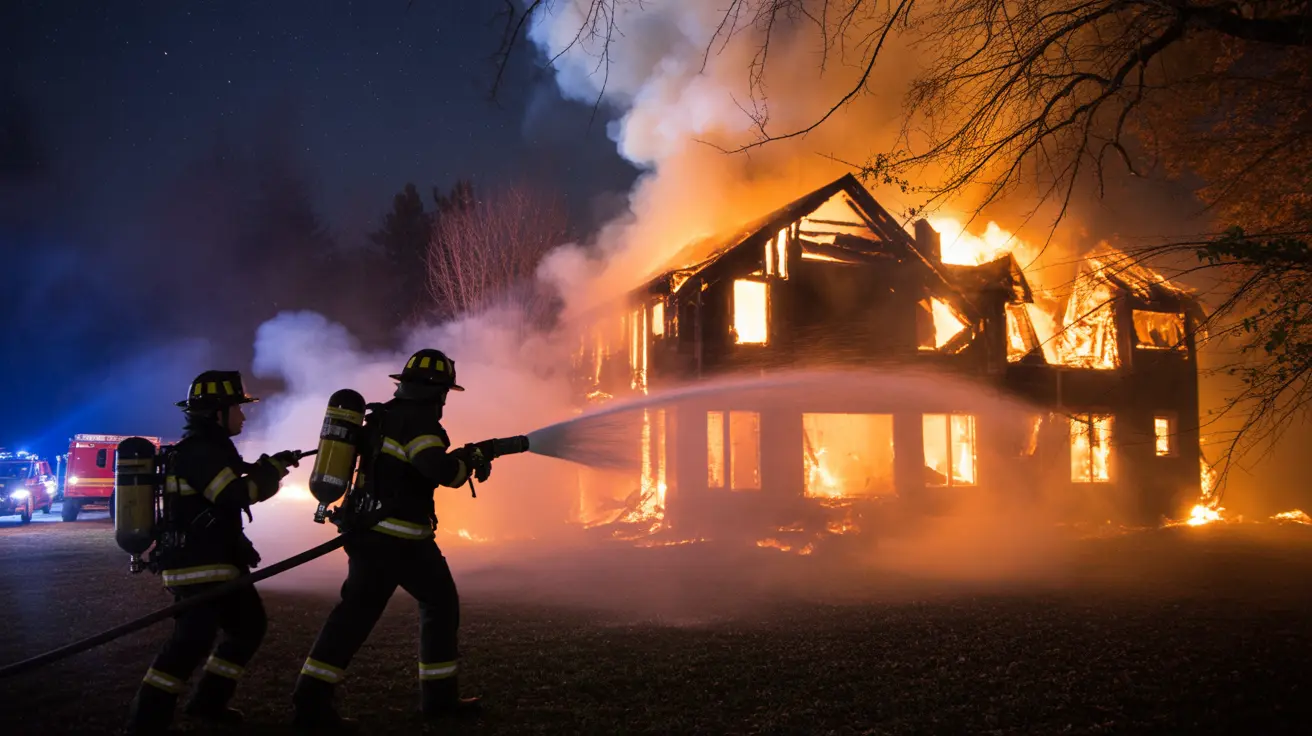
The South Charleston Fire Department responded to a house fire on Spring Street early Saturday morning, successfully rescuing several animals from the burning home. This West Virginia pet rescue highlights the critical importance of pet fire safety planning for all pet owners, especially during winter months when heating-related fires are more common.
While the specific details of how the firefighters save pets in this incident demonstrate their dedication, the event serves as a powerful reminder that every pet parent needs a comprehensive fire escape plan that includes their beloved animals. House fires can happen to anyone, and being prepared could mean the difference between life and death for your pets.
Understanding Pet Fire Risks and Prevention
House fires pose unique dangers to pets, who often hide when frightened rather than flee to safety. Unlike humans, animals may not understand the urgency of evacuating during an emergency. This South Charleston fire pets incident underscores why proactive planning is essential for every household with animals.
Winter months bring additional risks as families rely more heavily on heating systems. Space heater pet risks include overturned units, electrical malfunctions, and pets getting too close to heat sources. Pet owners should maintain proper clearance around all heating equipment and never leave space heaters unattended when pets are present.
Creating an Effective Pet Fire Emergency Kit
Every pet-owning household should maintain a pet fire emergency kit that can be grabbed quickly during an evacuation. This kit should include:
- Essential items like carriers or leashes for each pet
- A week's worth of food and medication
- Copies of veterinary records
- Recent photos of your pets
Keep comfort items like favorite toys or blankets that can help reduce stress during the emergency. Store the kit in an easily accessible location near your primary exit.
Additionally, ensure all pets have proper identification. Microchip pets fire situations often result in separation, and having updated microchip information can reunite families faster after an emergency.
The Importance of Pet Alert Stickers and Smoke Detection
Pet alert stickers placed on windows and doors can be lifesavers during emergencies like the recent South Charleston incident. These stickers inform firefighters about the number and types of pets inside, helping them prioritize rescue efforts and allocate appropriate resources.
Install smoke detectors pets can't accidentally disable, and test them monthly. Consider interconnected smoke alarms that trigger throughout the house when one detects smoke, giving you and your pets maximum warning time. Some modern systems can even send alerts to your smartphone when you're away from home.
Professional Pet Rescue Equipment and Techniques
Many fire departments, including those involved in West Virginia pet rescue operations, now carry specialized equipment for animal emergencies. Pet oxygen masks fire departments use are specifically designed for different animal sizes and can treat smoke inhalation pets effectively on scene.
According to NFPA pet fire stats, approximately 500,000 pets are affected by house fires annually. This staggering number has prompted many emergency services to invest in pet rescue training and equipment, ensuring they're prepared for situations like the South Charleston fire pets rescue.
Winter Fire Pet Safety Considerations
Cold weather increases fire risks as heating systems work overtime. Winter fire pet safety requires extra vigilance around fireplaces, wood stoves, and portable heaters. Never leave pets unattended near open flames, and always use protective screens around fireplaces.
Check heating system vents regularly to ensure pets haven't blocked them with toys or bedding. Proper ventilation prevents carbon monoxide buildup, which can be just as dangerous as smoke for both humans and animals.
Developing Your Pet Escape Plan Fire Strategy
Every family member should know their role in pet evacuation. Assign specific pets to specific people, and practice the routine regularly. Know where your pets typically hide when scared, and check these locations first during an evacuation.
Designate a safe meeting spot away from your home where everyone, including pets, should gather. Have arrangements with neighbors or nearby pet-friendly locations where animals can stay temporarily if needed.
Frequently Asked Questions
What should pet owners do to prepare a fire escape plan that includes their animals?
Create a detailed evacuation plan that assigns specific pets to family members, practice the routine regularly, and keep leashes and carriers easily accessible. Identify your pets' typical hiding spots and include them in your escape route planning.
How can pet alert stickers help firefighters rescue pets during a house fire?
Pet alert stickers inform firefighters about the number, types, and locations of pets in your home, helping them prioritize rescue efforts and bring appropriate equipment like animal oxygen masks to save pets more effectively.
What items should be in a pet emergency kit for fire safety?
Include carriers or leashes, a week's supply of food and medication, veterinary records, recent photos, comfort items, and emergency contact information for your veterinarian and local animal shelters.
Protecting Your Pets: Taking Action Today
The successful pet rescue in South Charleston demonstrates both the dedication of first responders and the importance of preparation. While we can't prevent all emergencies, we can significantly improve outcomes through proper planning and safety measures.
Take time this week to review your home's fire safety measures, update your pet emergency kit, and practice your evacuation plan. Your pets depend on you for their safety, and being prepared today could save their lives tomorrow.




