
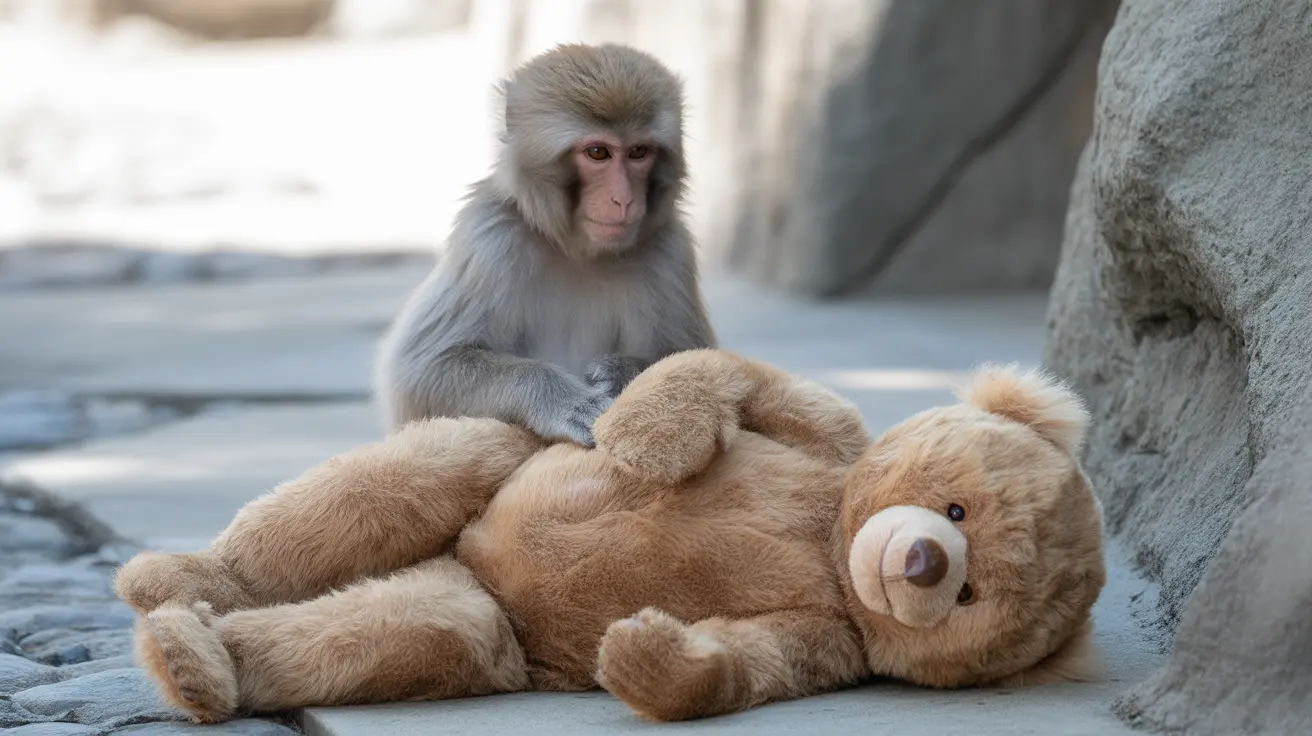
The Story of Punch Macaque at Ichikawa City Zoo
Located in Chiba Prefecture near Tokyo, Ichikawa City Zoo has become home to an extraordinary tale of resilience and adaptation. When Punch's mother abandoned him shortly after birth, zookeepers faced the challenging task of ensuring his survival and emotional well-being. Maternal rejection in primates can occur for various reasons, including stress, illness, or inexperience, leaving young animals vulnerable and in need of specialized care.
Zoo staff recognized that physical nourishment alone wouldn't be sufficient for Punch's development. Like human children, young primates require comfort and security to develop properly. The introduction of a plush orangutan toy proved to be a breakthrough solution, providing Punch with the tactile comfort and security he would naturally seek from his mother.
Understanding Macaque Attachment and Transitional Objects
The bond between Punch and his stuffed companion illustrates important principles of primate psychology. In the wild, Japanese macaques maintain close physical contact with their mothers during early development, relying on this connection for both emotional security and learning essential social behaviors. When this natural bond is broken, alternative sources of comfort become crucial for healthy development.
Transitional objects serve a vital role in helping young animals cope with separation anxiety and stress. For Punch, the plush toy functions as a substitute attachment figure, providing the physical comfort and emotional stability needed during this critical developmental period. This approach mirrors techniques used in human psychology, where comfort objects help children navigate transitions and develop independence.
Snow Monkey Stress Relief and Social Integration
Japanese macaques, commonly known as snow monkeys, are highly social creatures with complex troop dynamics. Punch's integration into the zoo's macaque community represents a delicate process that requires careful monitoring and gradual introduction. The presence of his comfort object has likely reduced stress levels, making the socialization process more manageable for both Punch and the existing troop members.
Zookeepers must balance Punch's need for comfort with his eventual integration into the macaque social structure. This involves gradually encouraging interactions with other monkeys while ensuring his emotional security remains intact. The plush toy serves as a bridge, providing stability as Punch learns to navigate relationships with his own species.
Viral Success and Public Engagement
The story of Punch macaque has generated significant attention across social media platforms and news outlets, demonstrating the public's fascination with animal welfare stories. This viral success brings positive attention to conservation efforts and the important work zoos perform in caring for vulnerable animals. Such stories help educate the public about primate behavior and the complexity of animal emotions.
The widespread interest in Punch's story also highlights the universal appeal of resilience narratives and the human tendency to empathize with animals facing challenges. This emotional connection can translate into increased support for wildlife conservation and zoo programs dedicated to animal welfare.
Frequently Asked Questions
Why did the baby macaque Punch get abandoned by his mother at Ichikawa City Zoo?
Maternal abandonment in primates can occur due to various factors including stress, illness, inexperience, or environmental pressures. While the specific reason for Punch's abandonment isn't detailed, such situations require immediate intervention from zoo staff to ensure the young animal's survival and development.
How does Punch the orphaned macaque use his plush orangutan toy for comfort?
Punch treats his stuffed animal as a substitute attachment figure, using it for physical comfort and emotional security. The toy provides the tactile reassurance he would naturally receive from his mother, helping reduce stress and anxiety during his critical developmental period.
What is a transitional object, and why is it important for baby monkeys like Punch?
A transitional object is an item that provides emotional comfort and security during periods of change or stress. For orphaned primates like Punch, these objects serve as substitute attachment figures, offering the physical comfort and emotional stability essential for healthy psychological development and successful integration into social groups.
Moving Forward with Hope
Punch's journey represents both the challenges and possibilities inherent in wildlife care. His story demonstrates the importance of understanding animal psychology and the creative approaches required to address complex behavioral needs. As he continues to grow and develop, the relationship between Punch and his comfort object will likely evolve, potentially serving as a model for caring for other orphaned primates.
The attention surrounding Punch's story serves as a reminder of our responsibility to understand and protect the emotional lives of animals in our care, whether in zoos, sanctuaries, or as companions in our homes.




