
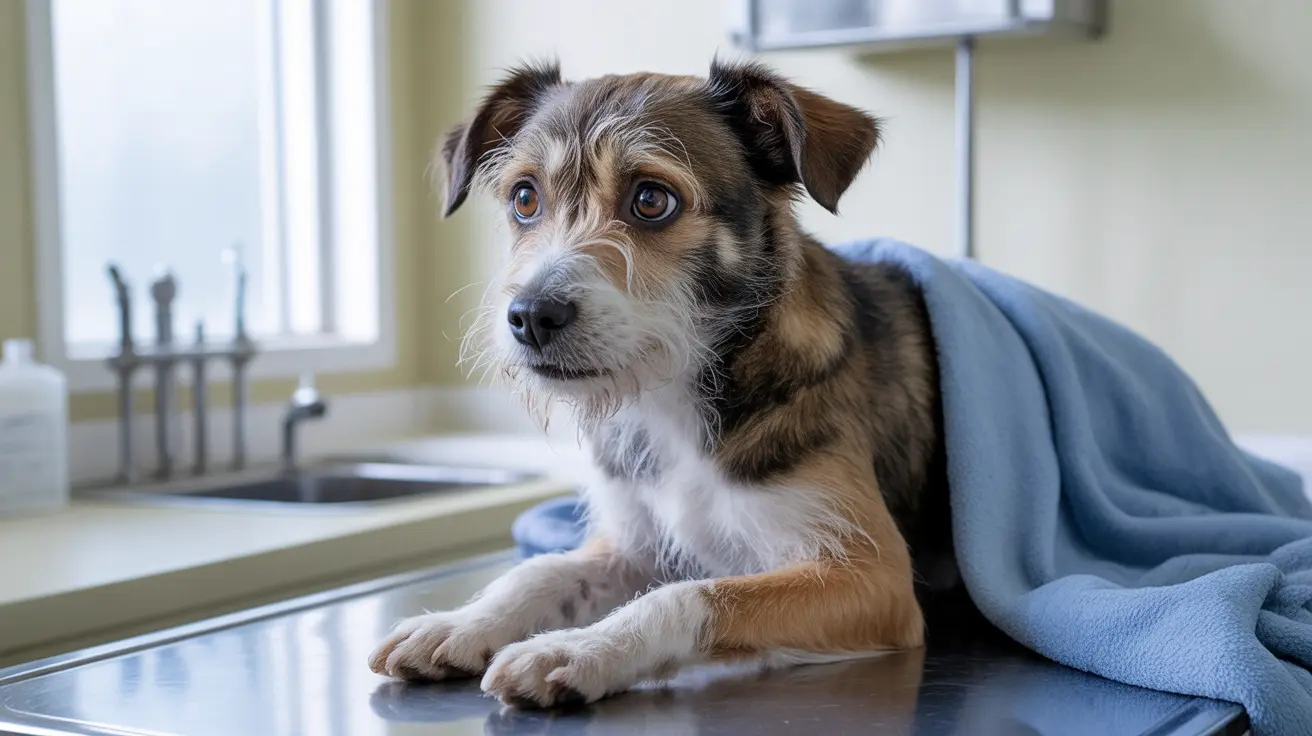
A Loris woman in Horry County, South Carolina, is facing serious criminal charges after authorities discovered six animals living in deplorable conditions at her property. The case involves five dogs and one cat that were allegedly subjected to severe neglect, highlighting the critical importance of understanding animal neglect signs and the legal protections in place for vulnerable pets.
This incident serves as a stark reminder for pet owners about the serious legal and ethical responsibilities that come with animal ownership. For community members, it underscores the vital role residents play in protecting animal welfare by recognizing warning signs and knowing how to respond appropriately when witnessing potential abuse or neglect.
South Carolina Animal Cruelty Laws and Legal Framework
South Carolina maintains comprehensive animal protection statutes that define specific standards of care required for domestic animals. Under state law, pet owners must provide adequate food, water, shelter, and veterinary care for their animals. Failure to meet these basic needs can result in misdemeanor or felony charges, depending on the severity of the neglect and whether animals suffered injury or death.
The legal definition of deplorable animal conditions typically includes situations where animals lack access to clean water, nutritious food, appropriate shelter from weather elements, or necessary medical treatment. Law enforcement and animal control officers are authorized to investigate reports of suspected neglect and can seek warrants to remove animals from dangerous situations.
How to Report Animal Abuse and the Investigation Process
When community members witness potential animal mistreatment, they should contact local authorities immediately. In Horry County, residents can report suspected abuse to Horry County Animal Control, local law enforcement, or the county's non-emergency line. Providing detailed information about the location, animals involved, and specific conditions observed helps investigators respond effectively.
The animal control investigation process typically involves an initial assessment of the reported situation, documentation of conditions through photographs and witness statements, and consultation with veterinary professionals when necessary. If evidence supports neglect or abuse allegations, officers can obtain search warrants to remove animals and gather additional evidence for potential criminal prosecution.
Recognizing Animal Neglect Warning Signs
Pet owners and community members should be aware of clear indicators that suggest animals may be suffering from inadequate care. Physical signs include visible malnutrition, overgrown nails, matted fur, open wounds, and signs of dehydration. Environmental red flags include lack of adequate shelter, accumulated waste in living areas, absence of food and water sources, and animals left outside in extreme weather without protection.
Behavioral changes in animals can also signal distress or neglect. Animals experiencing poor care may appear lethargic, fearful, or aggressive. They might exhibit repetitive behaviors or show signs of psychological distress from prolonged isolation or inadequate socialization.
Veterinary Care Requirements and Animal Welfare Standards
Responsible pet ownership requires providing prompt medical attention when animals show signs of illness or injury. Regular veterinary checkups, vaccinations, and preventive care are not only best practices but legal obligations in many jurisdictions. Pet owners who cannot afford necessary veterinary care should explore local low-cost clinic options or surrender animals to shelters rather than allowing medical conditions to worsen.
Animal welfare violations often stem from owners becoming overwhelmed by the costs and responsibilities of pet care. Community resources, including pet food banks, low-cost spay and neuter programs, and educational workshops, can help prevent situations from escalating to the point of legal intervention.
Animal Seizure and Forfeiture Consequences
When authorities remove animals from neglectful situations, the legal process typically involves immediate veterinary evaluation and care for the affected pets. Depending on their condition and rehabilitation potential, seized animals may be placed with rescue organizations or made available for adoption through local shelters once their health is stabilized.
The original owners face criminal charges and may be required to pay restitution for the animals' care and medical treatment. Courts can also impose restrictions on future pet ownership, particularly in cases involving severe neglect or repeat offenses.
Frequently Asked Questions
- What are the legal signs of animal neglect that I should watch for in my neighborhood?
Legal indicators include animals without adequate food, water, or shelter; visible signs of malnutrition or untreated medical conditions; animals left outside in extreme weather; and accumulation of waste in living areas. Document observations with photos and notes when possible.
- How do I report suspected animal abuse or neglect to authorities in South Carolina?
Contact your local animal control office, law enforcement agency, or county emergency services. In Horry County, residents can call the animal control department directly or use the county's non-emergency reporting line. Provide specific details about the location, animals involved, and conditions observed.
- What happens to animals seized from neglectful owners in Horry County?
Seized animals receive immediate veterinary care and evaluation. Depending on their condition, they may be rehabilitated and made available for adoption through local shelters or rescue organizations. The original owners are typically required to pay for care costs and may face restrictions on future pet ownership.
Protecting Community Animals Through Awareness
Cases like the recent Horry County incident demonstrate the importance of community vigilance in protecting vulnerable animals. By understanding animal neglect signs and knowing how to report concerns appropriately, residents can help prevent animal suffering and ensure that pets receive the care they deserve.
Education about responsible pet ownership and available community resources remains the best prevention strategy for animal welfare violations. Pet owners facing challenges should seek help early rather than allowing conditions to deteriorate to the point of legal intervention.




