
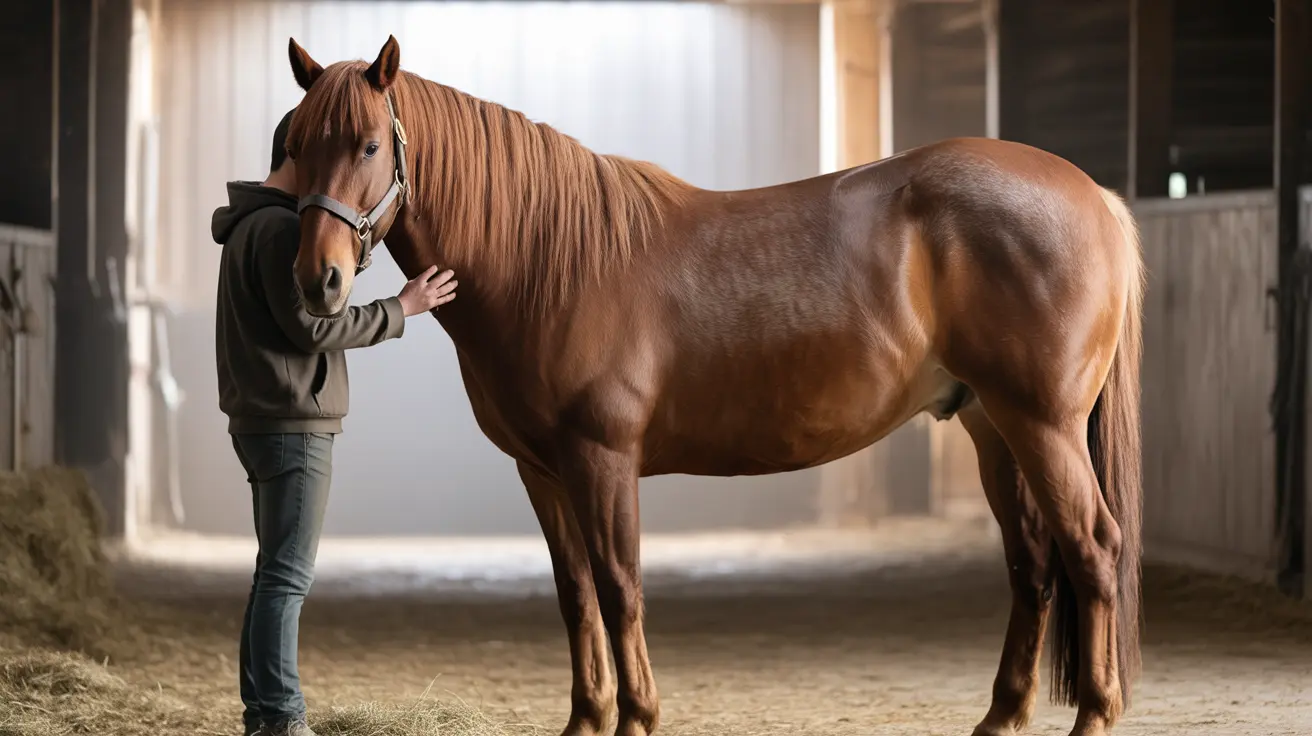
A troubling situation unfolded in rural Minnesota when a horse owner couldn't find a veterinarian to treat their sick animal. This incident highlights a growing crisis across greater Minnesota, where large-animal veterinarian shortage has reached alarming levels, leaving pet owners and livestock producers without essential veterinary care when they need it most.
The shortage of large-animal vets who make house calls is particularly acute in rural areas, creating significant challenges for horse owners, cattle ranchers, and other livestock producers who depend on mobile veterinary services. This crisis extends far beyond individual cases, affecting the entire agricultural economy and animal welfare across rural Minnesota communities.
Understanding the Rural Veterinary Services Crisis
The large-animal veterinarian shortage in rural Minnesota stems from multiple interconnected factors that have created a perfect storm in veterinary medicine. Unlike small-animal veterinarians who work in established clinics, large-animal vets must travel to farms and rural properties, making house calls that require specialized equipment and vehicles.
This demanding work environment, combined with the physical challenges of treating horses, cattle, and other large animals, has made it increasingly difficult to attract new veterinarians to rural practice. The situation is further complicated by the economic realities facing both veterinarians and rural communities.
Financial Barriers Affecting Rural Vet Shortage Crisis
One of the most significant factors contributing to the livestock veterinarian shortage is the crushing burden of educational debt facing new veterinarians. Veterinary school graduates typically carry substantial student loans, often exceeding $200,000, which creates pressure to pursue higher-paying specialties or urban practices rather than rural large-animal medicine.
Rural veterinary practices often struggle to offer competitive salaries that can support loan repayment, creating a cycle where fewer veterinarians choose to work in areas where they're most needed. This financial reality has profound implications for animal welfare and agricultural sustainability in rural Minnesota.
Emergency Large-Animal Vet Challenges
When emergencies strike, the shortage becomes even more critical. Horse owners facing colic, birthing complications, or injuries often find themselves unable to locate an emergency large-animal vet within reasonable travel distance. This delay in treatment can have devastating consequences for animal health and welfare.
The lack of adequate emergency coverage also places enormous stress on the few remaining rural veterinarians, who must cover vast geographic areas and handle multiple emergencies simultaneously. This unsustainable workload contributes to burnout and may drive more veterinarians away from rural practice.
Veterinary Loan Forgiveness Minnesota Programs
To address the crisis, various veterinary loan forgiveness Minnesota initiatives have been developed to incentivize veterinarians to practice in underserved rural areas. These programs aim to reduce the financial burden on new graduates who commit to working in areas experiencing veterinary shortages.
However, these programs often have limited funding and strict eligibility requirements that may not fully address the scope of the problem. Expanding and improving these loan forgiveness programs could be crucial for attracting more food-animal veterinarians to rural Minnesota communities.
Impact on Equine Veterinarian Rural Areas Access
Horse owners in rural areas face particular challenges, as equine medicine requires specialized knowledge and equipment. The shortage of equine veterinarian rural areas coverage means that routine care, preventive medicine, and emergency treatment may be delayed or unavailable when needed.
This situation not only affects recreational horse owners but also impacts the economic viability of horse-related businesses, including breeding operations, training facilities, and therapeutic riding programs that depend on reliable veterinary care.
Frequently Asked Questions
Why is there a shortage of large-animal veterinarians in rural Minnesota?
The shortage results from multiple factors including high educational debt burdens, demanding work conditions, lower compensation compared to urban practices, and the physical challenges of large-animal medicine. New veterinarians often choose specialties or urban practices that offer better financial returns to manage their student loans.
What should I do if I can't find a veterinarian for my horse or livestock in a rural area?
Contact your state veterinary association for referrals to traveling veterinarians, establish relationships with multiple practices in neighboring areas, and consider telehealth consultations when appropriate. Develop emergency protocols and maintain relationships with the nearest available veterinary services, even if they're distant.
What loan forgiveness programs are available for veterinarians working in rural Minnesota?
Various federal and state programs offer loan forgiveness for veterinarians who commit to serving in underserved rural areas. These programs typically require multi-year commitments and may have specific eligibility criteria. Contact the Minnesota Board of Veterinary Medicine or the American Veterinary Medical Association for current program information.
Moving Forward
The large-animal veterinarian shortage in rural Minnesota requires comprehensive solutions involving educational institutions, government programs, and rural communities working together. Addressing this crisis is essential for maintaining animal welfare, supporting agricultural economies, and ensuring that rural pet and livestock owners have access to the veterinary care their animals deserve.
As this situation continues to evolve, rural animal owners must advocate for improved veterinary access while adapting their emergency preparedness and care strategies to navigate the current challenges effectively.




