
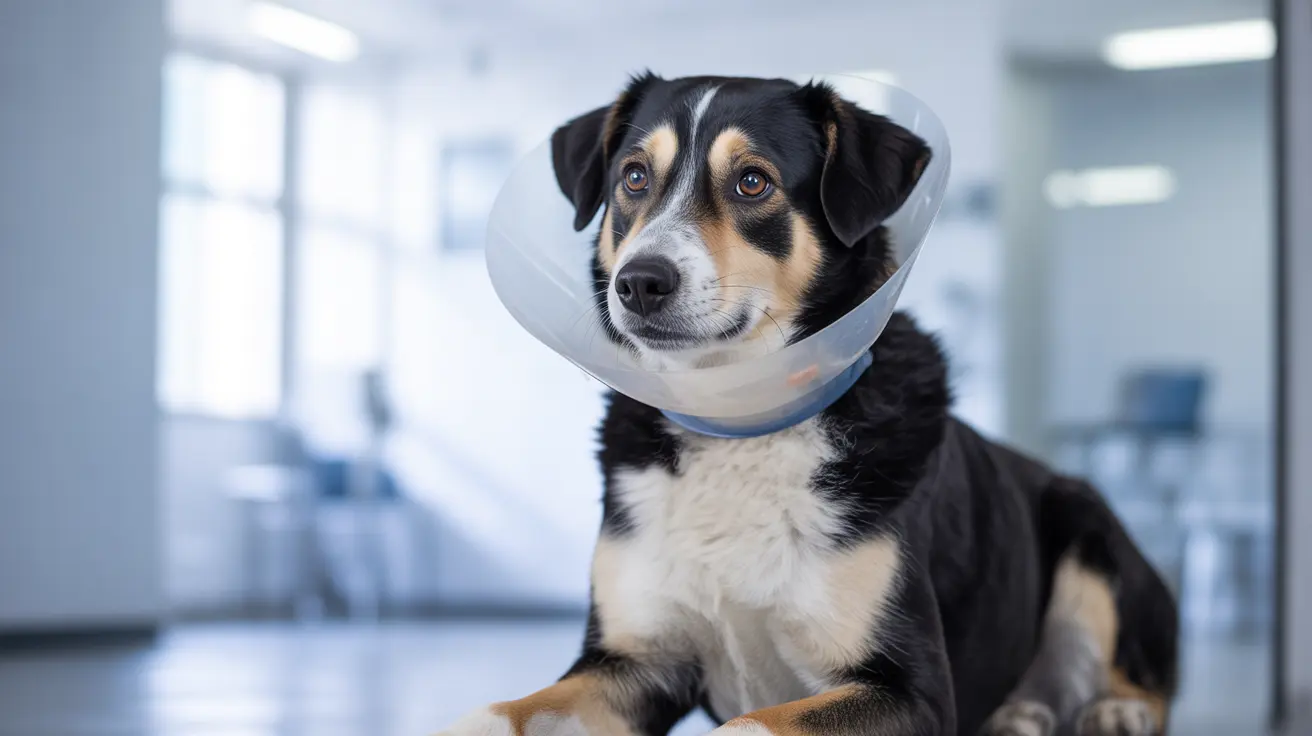
A Portland emergency animal hospital has issued a critical warning to dog owners about salmon poisoning disease, a potentially life-threatening condition that can affect dogs in the Pacific Northwest region. This serious illness, caused by eating raw or undercooked salmon, poses significant risks to canine health and requires immediate veterinary attention when symptoms appear.
As outdoor activities and fishing season approaches, pet parents need to understand the dangers of salmon poisoning in dogs and take preventive measures to protect their four-legged companions. The warning comes as veterinarians emphasize the importance of awareness about this regional health threat that can prove fatal without proper treatment.
Understanding Salmon Poisoning Disease
Salmon poisoning disease is caused by a parasitic fluke called Nanophyetus salmincola that carries the bacterium Neorickettsia helminthoeca. When dogs consume raw salmon or other fish infected with this parasite, they can develop severe illness within days of exposure.
This condition is particularly prevalent in the Pacific Northwest, including Oregon, Washington, and northern California, where salmon populations naturally carry the parasite. The disease affects only dogs and other canids - cats and humans are not susceptible to this specific form of salmon poisoning.
Raw Salmon Dogs Should Never Consume
Dog owners must understand that any raw or undercooked salmon poses a risk. This includes fresh-caught salmon from rivers and streams, as well as salmon scraps that may be improperly cooked. Even small amounts of raw salmon can trigger the disease, making prevention crucial for pet safety.
The parasite thrives in freshwater fish throughout the region, and cooking salmon to proper temperatures effectively eliminates the risk. However, many dog owners may unknowingly expose their pets during fishing trips or outdoor adventures near waterways.
Salmon Poisoning Symptoms to Watch For
Recognizing early warning signs can be life-saving for affected dogs. Symptoms typically appear 5-7 days after a dog ate raw salmon and may include:
- Sudden onset of fever and lethargy
- Loss of appetite and vomiting
- Severe diarrhea, often bloody
- Swollen lymph nodes, particularly noticeable around the neck and jaw
- Dehydration and weakness
- Depression and reluctance to move
Pet owners should seek immediate veterinary care if their dog shows any combination of these symptoms, especially after potential exposure to raw fish. Early intervention significantly improves treatment outcomes and reduces the risk of complications.
Professional Salmon Poisoning Treatment
Veterinary treatment for salmon poisoning disease typically involves antibiotic therapy, with doxycycline for dogs being the most common and effective treatment option. The antibiotic targets the Neorickettsia bacteria, while supportive care addresses dehydration and other symptoms.
Treatment success depends heavily on early diagnosis and prompt intervention. Dogs receiving appropriate treatment within the first few days of symptom onset generally have excellent recovery rates, while delayed treatment can lead to serious complications or death.
Prevent Salmon Poisoning Dogs Face During Outdoor Activities
Prevention remains the most effective strategy against this disease. Dog owners should never allow their pets to consume raw fish of any kind, particularly in Pacific Northwest regions. During fishing trips, keep dogs on leashes and prevent them from scavenging along shorelines where dead fish may be present.
Properly dispose of fish waste and cooking scraps to eliminate temptation for curious dogs. When camping or hiking near waterways, maintain vigilant supervision and carry fresh water to prevent dogs from drinking from potentially contaminated sources.
Education about dog fishing salmon risk helps outdoor enthusiasts protect their pets while enjoying recreational activities. Consider bringing alternative treats and toys to redirect your dog's attention away from potential hazards.
Frequently Asked Questions
What is salmon poisoning disease in dogs and how do they get it?
Salmon poisoning disease is caused by eating raw or undercooked salmon infected with the Nanophyetus salmincola fluke carrying Neorickettsia bacteria. Dogs contract it by consuming infected fish, typically in Pacific Northwest regions where the parasite is endemic.
What are the symptoms of salmon poisoning in dogs after eating raw salmon?
Symptoms appear 5-7 days after exposure and include fever, vomiting, bloody diarrhea, swollen lymph nodes, lethargy, and loss of appetite. These signs require immediate veterinary attention as the condition can be fatal without treatment.
How is salmon poisoning disease diagnosed and treated in dogs?
Veterinarians diagnose the condition through clinical examination, symptom assessment, and sometimes laboratory tests. Treatment involves antibiotic therapy, typically doxycycline, combined with supportive care for dehydration and symptom management.
Protecting Your Pet's Health
Portland's veterinary warning serves as an important reminder for all Pacific Northwest dog owners to remain vigilant about salmon poisoning disease. By understanding the risks, recognizing symptoms, and taking preventive measures, pet parents can keep their dogs safe while enjoying outdoor activities in this beautiful region.
When in doubt about your dog's health or potential exposure to raw fish, consult with your veterinarian immediately. Quick action and professional care provide the best outcomes for dogs affected by this serious but treatable condition.




