
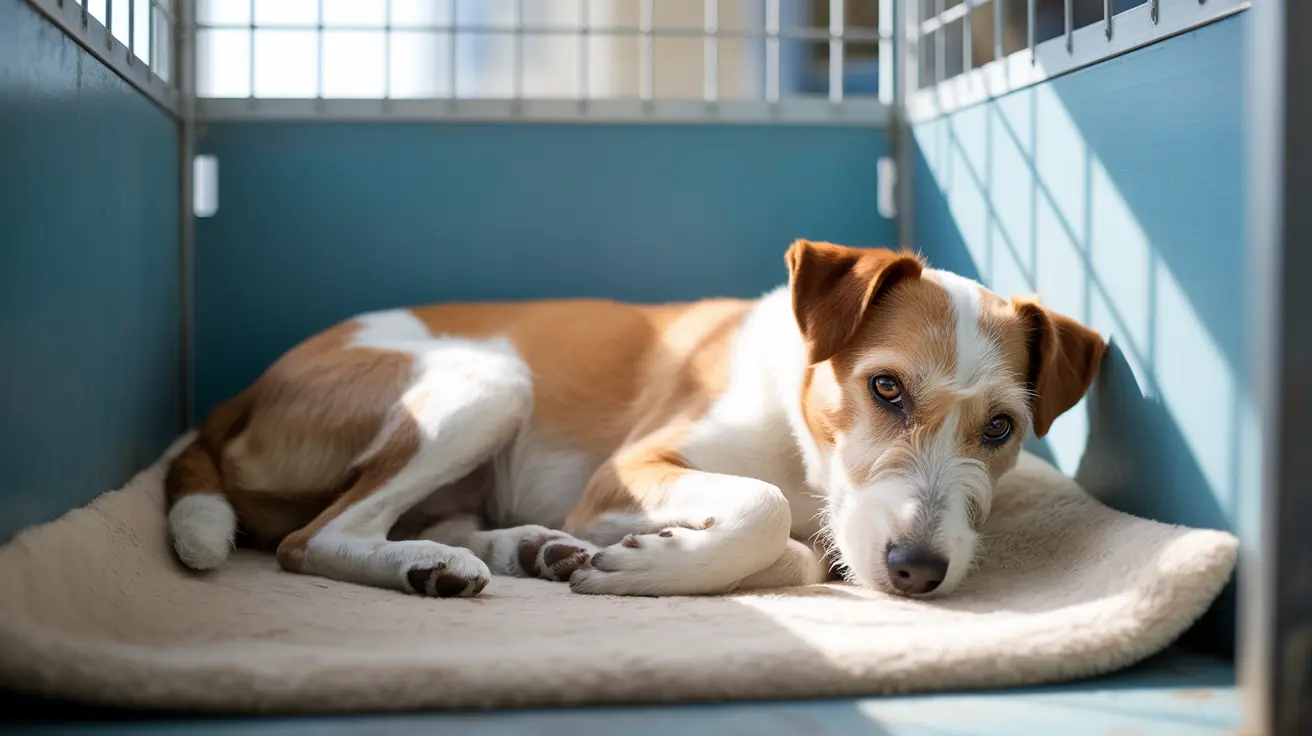
In a significant Wisconsin animal welfare case, a woman identified as Margarita Arrieta-Morales has received a multi-year prison sentence for more than 50 animal cruelty-related charges in Shawano County. This case highlights the serious legal consequences faced by those who neglect and abuse animals, particularly in severe hoarding situations that endanger multiple pets' lives and wellbeing.
The Shawano County animal cruelty case has drawn attention to the ongoing challenges faced by animal welfare officials across Wisconsin, where rural properties can sometimes hide serious cases of neglect and abuse. For pet owners and animal advocates, this conviction serves as a reminder of both the legal protections in place for animals and the importance of reporting suspected cruelty when witnessed.
Court records indicate that Arrieta-Morales faced numerous charges related to animal mistreatment, though Wisconsin officials have noted her illegal immigration status as an additional complicating factor in the case. The substantial number of charges suggests this was not an isolated incident but rather a pattern of systematic animal neglect that likely affected multiple animals over an extended period.
Understanding Wisconsin Animal Welfare Laws
Wisconsin maintains comprehensive animal protection statutes that classify severe neglect and abuse as felony offenses. When animal cruelty involves multiple animals or results in significant suffering, prosecutors can file separate charges for each affected animal, which explains how cases like the Margarita Arrieta-Morales sentencing can involve dozens of individual charges.
The state's animal welfare laws recognize that pets depend entirely on their owners for basic needs including food, water, shelter, and veterinary care. When these fundamental requirements are systematically denied, the law treats such neglect as a serious crime worthy of substantial penalties including imprisonment and lifetime bans on pet ownership.
Signs of Animal Hoarding and Neglect
Animal hoarding cases often share common warning signs that community members can learn to recognize. These situations typically involve individuals who accumulate more animals than they can properly care for, often believing they are helping the animals while actually causing significant harm through overcrowding and inadequate resources.
Pet owners and neighbors should watch for signs including multiple animals kept in unsanitary conditions, visible malnutrition or untreated medical issues, strong odors emanating from properties, and social isolation by the animal owner. In rural areas like parts of Shawano County, these situations can persist longer due to fewer neighbors and less frequent official oversight.
The Role of Animal Rescue Organizations
When cases like the Wisconsin dog hoarding case are discovered, local animal welfare organizations play crucial roles in rescue and recovery efforts. The Shawano Humane Society and similar organizations must often coordinate with law enforcement to safely remove animals from dangerous situations and provide emergency medical care.
These rescued animals frequently require extensive rehabilitation, including medical treatment for malnutrition, behavioral therapy for trauma, and careful socialization before they can be placed in new homes. The cost and complexity of these rescue operations demonstrate why prevention through community vigilance remains so important.
Legal Consequences and Deterrence
Felony animal cruelty penalties in Wisconsin can include significant prison time, substantial fines, and court-ordered restitution to cover the costs of animal care and rehabilitation. Additionally, convicted individuals often face lifetime bans on owning or living with animals, ensuring they cannot repeat their offenses.
The multi-year prison sentence in this case sends a clear message that Wisconsin courts take animal welfare seriously and will impose substantial consequences on those who systematically abuse or neglect animals in their care.
Frequently Asked Questions
What happened in the Shawano County dog cruelty case involving Margarita Arrieta-Morales?
Margarita Arrieta-Morales received a multi-year prison sentence after being convicted on more than 50 animal cruelty-related charges in Shawano County, Wisconsin. Court records show this involved systematic animal neglect, though specific details about the conditions and number of animals affected were not fully disclosed in available reports.
How does Wisconsin law punish severe animal cruelty and hoarding cases?
Wisconsin classifies serious animal cruelty as felony offenses punishable by significant prison time, fines, and lifetime bans on animal ownership. When multiple animals are involved, prosecutors can file separate charges for each affected animal, leading to dozens of individual counts as seen in this case.
What are the signs of animal neglect and hoarding that pet owners should report?
Warning signs include multiple animals in unsanitary conditions, visible malnutrition or untreated medical issues, strong odors from properties, and social isolation by animal owners. Community members should report suspected cases to local animal control or law enforcement to enable timely intervention and rescue efforts.
Protecting Animal Welfare in Our Communities
The Shawano County case demonstrates both the importance of Wisconsin's animal protection laws and the vital role community members play in identifying and reporting suspected abuse. Pet owners can help protect vulnerable animals by staying informed about warning signs of neglect and understanding the legal protections available for animals in their communities.
As this case concludes with significant legal consequences for the perpetrator, it serves as a reminder that animal welfare remains a shared community responsibility requiring ongoing vigilance and prompt action when abuse is suspected.




