
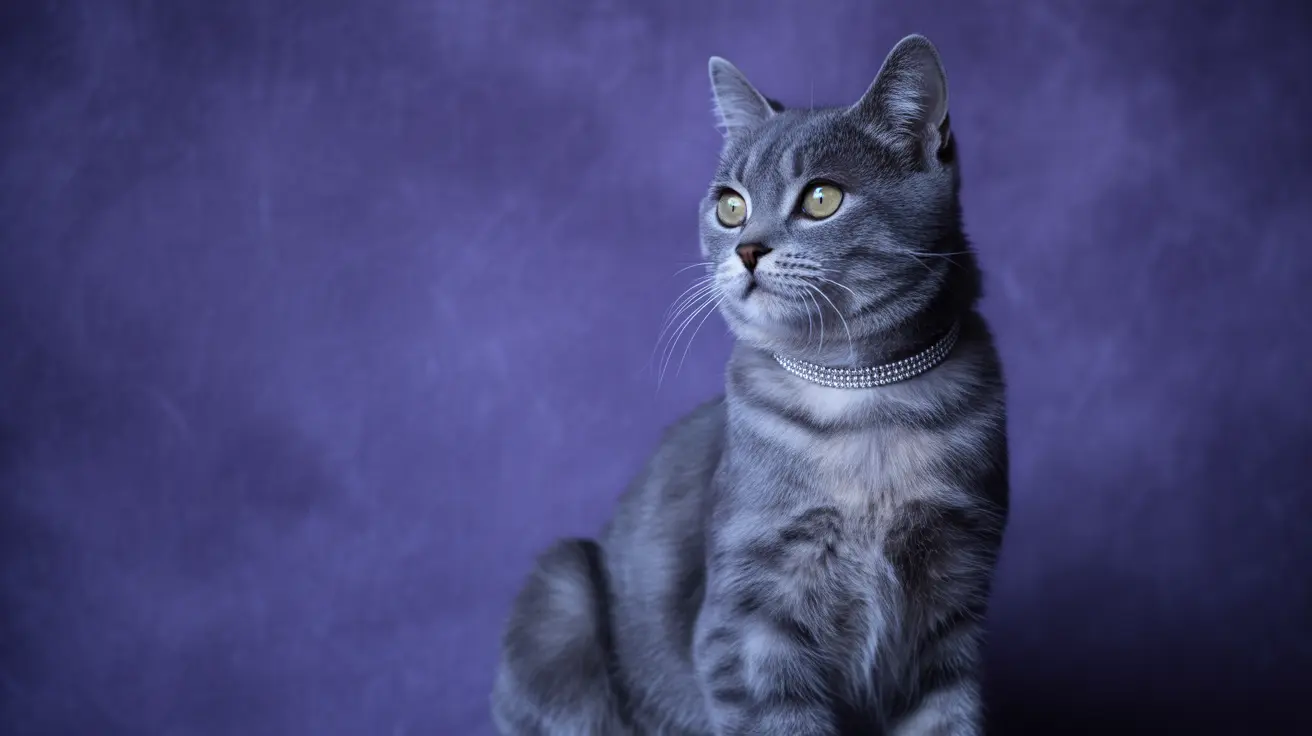
In a heartwarming tale that proves every shelter cat has star potential, Noochie—a gray tabby from Berkeley Humane Society—has been named one of W Magazine's "Best Animal Actors of the Year" for his breakout role in the indie film "Sorry, Baby." This remarkable journey from shelter cat actors to Hollywood recognition showcases how overlooked rescue animals can achieve extraordinary success with the right opportunities and dedicated adopters.
Noochie's transformation from a hard-to-place kitten to a Sundance Film Festival darling demonstrates the untapped potential within shelter walls. His story offers hope to pet parents considering adoption and highlights the unique qualities that make some cats natural performers in the entertainment industry.
From Berkeley Humane Society Adoption to Red Carpet Recognition
Noochie's journey began at Berkeley Humane Society, where he was the last gray tabby kitten left in his litter—often a challenging position for shelter animals seeking homes. Despite being overlooked initially, his adopter recognized something special in his easygoing personality, described as "dumb as rocks and sweet as sugar."
This temperament would prove ideal for his future career. Unlike many cats who require extensive preparation, Noochie's naturally calm demeanor made him perfectly suited for the demands of film work. His success in "Sorry, Baby" earned him recognition at the prestigious Sundance Film Festival, transforming him from a shelter rescue into a celebrated performer now "decked out in Prada."
How Professional Animal Wranglers Prepare Cats for Filming
The film industry employs specialized professionals to ensure animal actors perform safely and comfortably. In Noochie's case, professional animal wranglers like Marisa Bellis from Acting Like Animals managed on-set logistics while prioritizing the cat's wellbeing.
Cat temperament for acting relies heavily on natural personality traits rather than intensive training. Successful feline performers typically exhibit calm dispositions and adaptability to new environments. Animal trainers use positive reinforcement methods, including dry cat food rewards and simple props like twine to guide cats to specific positions or "hit their marks" during filming.
Safety Protocols and Body Doubles
Productions like "Sorry, Baby" implement comprehensive safety measures, including the use of multiple cats as body doubles. This approach ensures that no single animal becomes overworked or exposed to potentially stressful technical shots. Director Eva Victor emphasized that no harm comes to cats in her productions, reflecting industry standards for ethical animal treatment in filmmaking.
The Rise of Indie Film Animal Actors
Noochie's success represents a growing trend of shelter rescue success stories in independent cinema. Unlike major studio productions that often rely on professionally trained animal actors, indie films frequently discover talent in unexpected places—including local shelters and rescue organizations.
These productions benefit from working with naturally gifted animals whose authentic personalities enhance storytelling. Noochie's genuine reactions and easygoing nature contributed to the film's authenticity, proving that formal training isn't always necessary for compelling performances.
What Makes Shelter Cats Suitable for Film Work
Successful cat actors in movies typically share certain characteristics: stress tolerance, food motivation, and social adaptability. Shelter cats who have experienced various environments often develop resilience that serves them well on film sets. However, each animal's individual personality determines their suitability for this unique career path.
Professional Care Requirements for Working Cats
Professional cat actors like Noochie require specialized care protocols. This includes custom diets, private handling procedures (with strict no-unsolicited-petting policies), and professional oversight to monitor stress levels throughout filming.
Unlike dogs, cats working in cinema rely more on their natural behavior patterns than trained responses. Productions must work around feline instincts rather than forcing compliance, creating filming schedules that accommodate cats' natural rhythms and preferences.
Frequently Asked Questions
Can shelter cats become actors in films, and what temperament makes them suitable for on-set work?
Yes, shelter cats can become successful film actors. Cats like Noochie succeed through naturally calm temperaments rather than extensive training—requiring minimal direction using food rewards and simple props like twine to hit marks, making them ideal for actors who need reliable animal co-stars without aggression or unpredictable behavior.
How do animal trainers prepare cats for movie scenes without causing stress or harm?
Animal trainers use positive reinforcement methods like dry cat food and twine to guide cats to specific positions. Director Eva Victor emphasized that no harm comes to cats in her films, and productions employ professional animal wranglers who manage on-set logistics while prioritizing the animal's comfort and safety.
What makes a shelter cat adoptable versus hard to place, and can overlooked animals still find success?
Shelter cats overlooked during initial adoption windows—like Noochie, the last gray tabby in his litter—can thrive with the right adopter. His "dumb as rocks and sweet as sugar" personality proved that perceived disadvantages don't determine an animal's potential for success and happiness.
Conclusion
Noochie's remarkable transformation from Berkeley Humane Society resident to W Magazine's recognized animal actor proves that every shelter cat possesses unique potential. His journey offers inspiration for prospective pet parents considering adoption and demonstrates how the right match between animal and human can lead to extraordinary outcomes.
For shelters and rescue organizations, Noochie's success story highlights the importance of recognizing each animal's individual qualities rather than focusing solely on conventional adoption appeal. Sometimes the last kitten chosen becomes the brightest star.




