
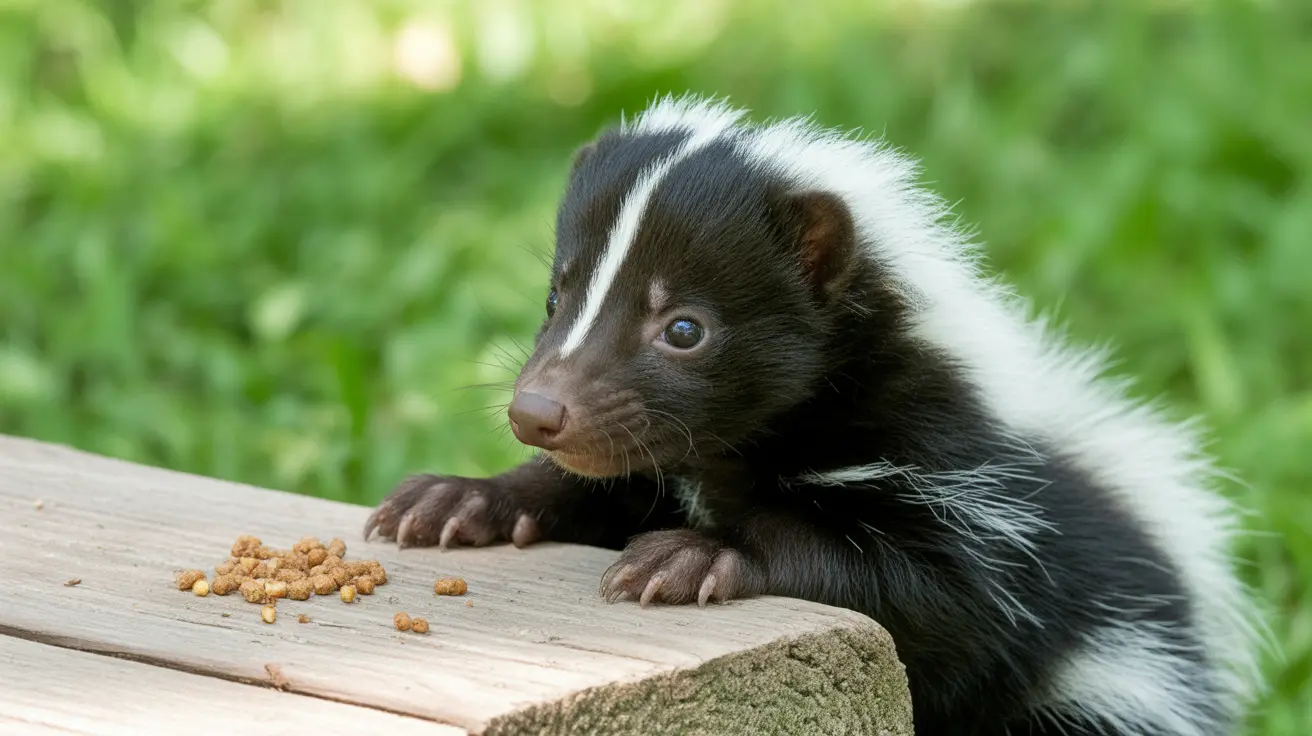
Understanding Skunk Mating Season
As winter transitions to spring, pet owners face an increased risk of unwanted encounters between their dogs and skunks. During skunk mating season, these black and white mammals become more active, territorial, and likely to spray when threatened. Understanding the timing and behavior patterns of skunks during their breeding season can help dog owners take proactive steps to protect their furry companions from these smelly confrontations.
The heightened activity during this period means more roaming skunks searching for mates, which unfortunately increases the likelihood of dogs getting sprayed. Pet parents need to be extra vigilant during these months to prevent traumatic encounters that can leave both dogs and their families dealing with persistent odors and potential health concerns.
When Do Skunks Mate and Why It Affects Your Pet
Skunk breeding season typically occurs from late winter through early spring, with peak activity during February and March. During this time, male skunks expand their territory significantly as they search for potential mates, often venturing into residential areas where they might encounter curious dogs.
The increased skunk activity during mating season coincides with longer daylight hours and warmer temperatures that encourage pets to spend more time outdoors. This combination creates the perfect storm for unwanted encounters between dogs and defensive skunks protecting their territory or offspring.
Skunk Warning Signs Every Dog Owner Should Recognize
Recognizing the warning signs that a skunk is about to spray can help prevent your dog from receiving a direct hit. Skunks typically provide clear signals before releasing their potent spray, including stomping their front feet, raising their tail high in the air, and backing toward the perceived threat.
Additional warning behaviors include hissing, growling, and adopting a distinctive horseshoe-shaped stance. If you notice your dog showing intense interest in bushes, sheds, or other hiding spots during evening walks, exercise extra caution as these are common skunk hideouts.
Effective Strategies to Keep Skunks Away from Your Yard
Preventing skunk encounters requires making your property less attractive to these nocturnal visitors. Remove potential food sources such as fallen fruit, pet food left outside, and unsecured garbage cans. Skunks are omnivores that will take advantage of easily accessible meals in residential areas.
Consider installing motion-activated lights around your property, as skunks prefer dark, quiet areas for foraging. Maintain your lawn regularly to eliminate grubs and insects that attract skunks, and seal potential den sites under porches, sheds, and decks.
Fence Your Yard Against Skunks
A proper fence can serve as an effective barrier against skunk intrusion. Install fencing that extends at least 6 inches underground to prevent digging, and ensure the above-ground portion is at least 3 feet high. Use hardware cloth or similar materials with small openings to prevent skunks from squeezing through.
Nighttime Skunk Prevention for Pet Safety
Since skunks are primarily nocturnal, implementing nighttime prevention strategies is crucial for pet safety. Always supervise dogs during evening bathroom breaks, keep them on a leash in areas where skunks might be present, and consider using a flashlight to scan your yard before letting pets outside.
Create a routine of checking your property before bedtime, looking for signs of skunk activity such as small holes in the lawn, disturbed mulch, or the distinctive musky odor that lingers even when skunks aren't actively spraying.
De-Skunk Dog Treatment: What Every Pet Owner Should Know
If your dog gets sprayed by a skunk despite your best prevention efforts, immediate action is essential. The traditional tomato juice remedy is largely ineffective; instead, use a mixture of hydrogen peroxide, baking soda, and dish soap to neutralize the odor compounds.
Keep your dog outside during treatment to prevent spreading the odor throughout your home. Rinse thoroughly with clean water after applying the cleaning solution, and be prepared for multiple treatments as skunk spray can be persistent.
Understanding Rabies Risk from Skunk Encounters
While the odor is the most immediate concern when dogs encounter skunks, pet owners should also be aware of the potential rabies risk. Skunks are one of the primary rabies carriers in North America, making any direct contact between your dog and a skunk a potential health concern.
Ensure your dog's rabies vaccination is current, and consult your veterinarian if any physical contact occurred during the encounter. Watch for unusual behavior in your pet following any skunk encounter, and seek professional medical advice if concerns arise.
Frequently Asked Questions
- When is skunk mating season and why do dogs get sprayed more often?
Skunk mating season occurs primarily during February and March when male skunks roam extensively searching for mates. This increased activity brings skunks into residential areas more frequently, raising the likelihood of encounters with curious dogs who may inadvertently threaten or corner them.
- How can I protect my dog from skunks during mating season?
Supervise outdoor time, especially during evening hours when skunks are most active. Remove attractants like pet food and garbage from your yard, install motion-activated lighting, and maintain your property to eliminate hiding spots. Always keep dogs on a leash during nighttime bathroom breaks.
- What should I do if my dog gets sprayed by a skunk?
Keep your dog outside and immediately apply a mixture of hydrogen peroxide, baking soda, and dish soap to neutralize odor compounds. Avoid the traditional tomato juice method, which is ineffective. Rinse thoroughly and repeat treatment if necessary while monitoring for any signs of physical contact that might require veterinary attention.




