
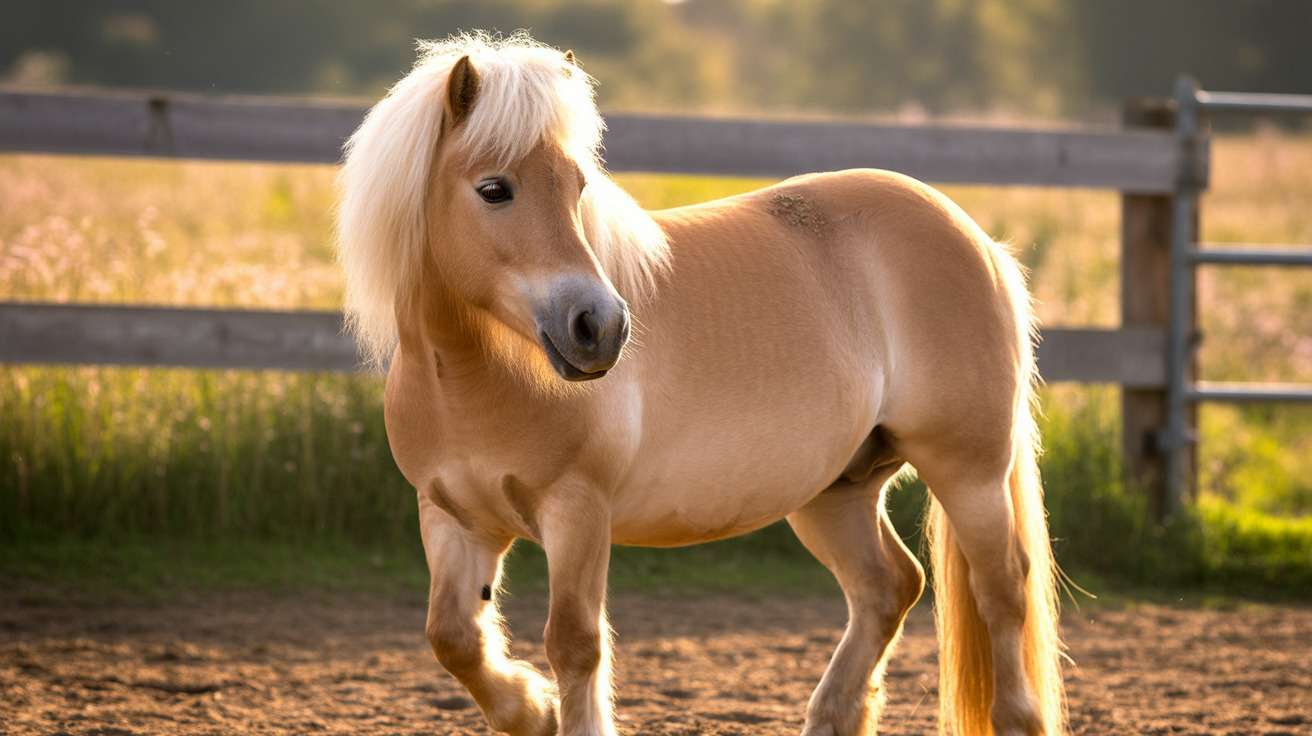
A local farm is preparing to launch its spring therapeutic sessions, offering equine-assisted therapy for autism and other disabilities. This innovative approach to treatment combines the natural healing power of horses with professional therapeutic guidance to help individuals with autism spectrum disorder and other developmental challenges improve their communication, social skills, and overall well-being.
The upcoming spring programs represent a growing trend in alternative therapies that focus on the unique bond between humans and animals. For families seeking effective interventions for autism spectrum disorder treatment, these sessions provide a structured yet gentle environment where meaningful progress can occur through interactions with specially trained therapy horses.
Understanding Equine-Assisted Therapy for Autism
Equine-assisted therapy represents a specialized form of animal-assisted intervention that goes far beyond traditional horseback riding. These programs create structured opportunities for individuals with autism to interact with horses in ways that naturally promote emotional regulation, nonverbal communication, and social skill development.
The therapeutic process typically involves ground-based activities such as grooming, feeding, and leading horses under the careful supervision of licensed therapists and certified equine specialists. This approach allows participants to build meaningful relationships with the animals while working toward specific therapeutic goals, regardless of their previous experience with horses.
Horse Therapy Benefits for Autism Spectrum Disorders
Research consistently demonstrates that therapeutic horseback riding and ground-based equine therapy can produce remarkable improvements in children with autism. Studies show that participants in 10-week programs often experience significant reductions in irritability and hyperactivity, along with enhanced social communication abilities.
The unique sensory experience of working with horses helps many individuals with autism develop better motor skills, including improved balance and coordination. These large, gentle animals provide immediate feedback to human behavior, creating natural learning opportunities that can be difficult to replicate in traditional therapy settings.
How Does Horse Therapy Help Autism Communication Skills
Horses naturally respond to nonverbal cues, making them ideal therapeutic partners for individuals who struggle with traditional forms of communication. Through regular interactions, participants learn to read subtle body language signals and develop their own nonverbal communication skills in a non-judgmental environment.
The rhythmic motion of therapeutic horseback riding can also help regulate sensory processing issues common in autism, while the responsibility of caring for an animal promotes independence and self-confidence. Many participants discover improved word fluency and expanded vocabulary as they learn to communicate their needs and observations about their equine partners.
Preparing for Spring Equine Therapy Programs
As therapeutic riding programs gear up for their spring sessions, families should understand what to expect from these specialized interventions. Most effective programs involve weekly sessions over several months, with research supporting 8 to 20 sessions for optimal benefits.
The outdoor nature of equine-assisted psychotherapy provides additional benefits through exposure to fresh air and natural environments. Spring programs often take advantage of pleasant weather conditions that make outdoor activities more enjoyable and accessible for participants with varying physical abilities.
Equine Therapy Social Skills Development
Working with horses naturally creates opportunities for social interaction, whether through group activities or individual sessions that require communication with therapy team members. Participants learn to take turns, follow instructions, and express their feelings in appropriate ways while caring for their equine partners.
The structured environment of therapeutic riding programs helps individuals with autism practice social skills in a controlled setting where success is celebrated and challenges are addressed with patience and understanding. These skills often transfer to other areas of life, improving relationships with family members, peers, and educators.
Frequently Asked Questions
- What is equine-assisted therapy and how does it work for individuals with autism?
Equine-assisted therapy (EAT) involves structured interactions between individuals and horses under the supervision of licensed therapists and certified equine specialists. Participants engage in ground-based activities such as grooming, feeding, and leading horses, which facilitates nonverbal communication, emotional regulation, and the development of social skills without requiring riding experience.
- What specific improvements can children with autism expect from therapeutic horseback riding?
Research shows that 10 weeks of therapeutic horseback riding produces significant improvements in irritability, hyperactivity, social communication, word fluency, and motor skills such as balance and coordination. These benefits often persist for at least six months after the intervention ends.
- Do I need prior horse experience or riding skills to participate in equine-assisted therapy?
No prior horse experience is necessary for equine-assisted therapy. The focus is on building a relationship with the horse and achieving therapeutic goals through structured activities on the ground, not on horsemanship or riding ability.
- How long do equine therapy sessions typically last and how frequently should someone participate?
Effective equine-assisted therapy programs typically involve 8 to 20 weekly sessions over several months. Most research demonstrating significant benefits used 10-week programs with weekly sessions, though some programs extend to one year with continued improvements in behavior and academic performance.
- Is equine-assisted therapy suitable for all ages and ability levels, including those with severe autism?
Yes, equine therapy can benefit individuals across various age groups (typically 6-18 years) and different autism severity levels. Programs can be adapted to accommodate physical abilities and disabilities, though participants need to be aware that sessions involve outdoor activities and some degree of physical engagement.
Moving Forward with Therapeutic Hope
As spring approaches and local farms prepare their equine-assisted therapy programs, families have renewed opportunities to explore this promising intervention for autism spectrum disorder treatment. The combination of professional therapeutic guidance and the natural healing presence of horses creates an environment where meaningful progress becomes possible.
For those considering this alternative therapy approach, the upcoming spring sessions represent an ideal time to begin a journey that could lead to lasting improvements in communication, social skills, and overall quality of life. The therapeutic bond between humans and horses continues to offer hope and healing for individuals with autism and their families.




