
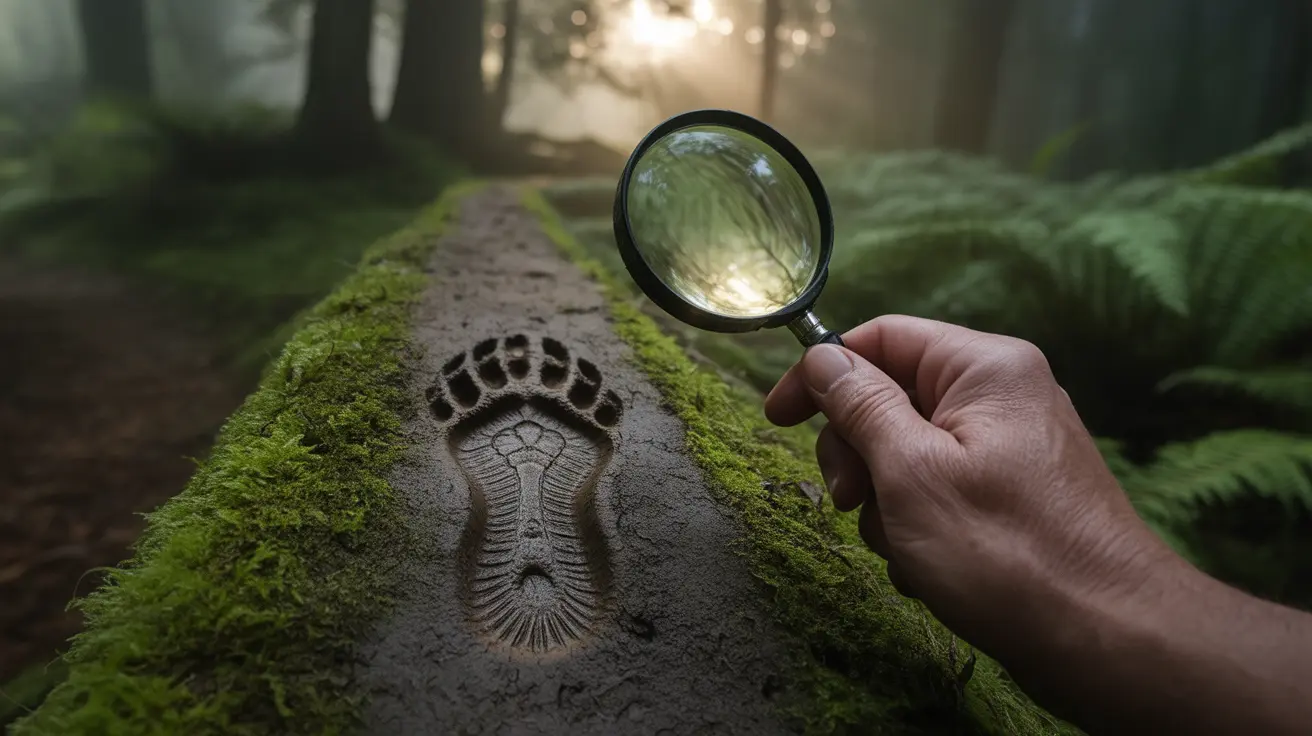
Parents and children gathered at a local park today to participate in an engaging wildlife education program that teaches young explorers how to identify different animal tracks. This hands-on learning experience demonstrates how animal tracks identification can become an exciting family activity that connects kids with nature while developing their observation skills.
The interactive program highlights the growing interest among families to engage children in outdoor education activities that foster environmental awareness. Learning to distinguish between different animal footprints not only enhances children's understanding of local wildlife but also creates memorable bonding experiences between parents and their young nature enthusiasts.
Benefits of Wildlife Tracking for Kids
Teaching children animal tracking offers numerous developmental advantages beyond simple nature appreciation. Young detectives who learn to identify animal footprints develop enhanced observation skills, pattern recognition abilities, and critical thinking capabilities. These skills transfer to other areas of learning and help children become more attentive to details in their everyday environment.
Wildlife tracking also encourages physical activity as families explore local parks and natural areas together. Children naturally become more curious about the animals that share their community spaces, leading to deeper conversations about wildlife conservation and habitat preservation.
Common Ohio Animal Tracks and Key Identification Features
Understanding the basics of animal gait patterns helps families distinguish between different species they might encounter in local park wildlife tracks. Each animal leaves distinctive marks based on their size, weight distribution, and movement patterns.
Deer Tracks vs Raccoon Tracks
Deer tracks typically show a split-hoof print with two distinct toe marks pointing forward. These tracks are usually 2-3 inches long and appear in a walking pattern with relatively straight lines. In contrast, raccoon tracks identification reveals five distinct toe marks that resemble tiny human hands, measuring approximately 2-4 inches in length. Raccoon prints often show claw marks and appear near water sources or areas with food availability.
Coyote Tracks Ohio Characteristics
Coyote tracks Ohio residents might encounter display four toe pads with visible claw marks, measuring roughly 2.5-3.5 inches in length. These tracks differ from domestic dog prints by their more oval shape and narrower heel pad. Coyote tracks typically follow straighter paths compared to the meandering patterns often left by pet dogs.
Red Fox Tracks and Other Small Mammals
Red fox tracks are smaller than coyote prints, usually measuring 2-2.5 inches with a distinctive diamond-shaped heel pad. The tracks often show fur impressions between the toe pads, especially in soft soil or snow conditions.
Environmental Education Kids Tracking Programs
Programs like the Wild You Detectives program provide structured learning opportunities for families interested in animal tracking activities families can enjoy together. These educational initiatives typically include hands-on demonstrations, measurement techniques, and guided exploration of local habitats.
Participating in organized tracking programs offers children access to expert knowledge while ensuring safe exploration practices. Many programs also provide take-home materials and field guides that families can reference during independent nature walks.
Getting Started with Family Animal Tracking
Families interested in beginning their own identifying animal footprints adventures can start by exploring familiar local parks during optimal tracking conditions. Early morning hours often provide the best opportunities to find fresh tracks in soft soil, mud, or sand.
Basic equipment includes a ruler or measuring tape for track size documentation, a camera for recording discoveries, and a field notebook for tracking observations. Bringing along a magnifying glass can help children examine track details more closely.
Frequently Asked Questions
How can I teach my kids to identify animal tracks like deer or raccoon in our local park?
Start by learning the basic characteristics of common local animals, focusing on track size, shape, and toe count. Practice identifying tracks during walks and use field guides or apps to confirm your findings. Make it engaging by creating tracking journals where children can draw and measure the tracks they discover.
What are the key differences between coyote and dog tracks for families exploring Ohio wildlife?
Coyote tracks are more oval-shaped with tighter toe positioning and typically follow straighter walking patterns. Dog tracks tend to be rounder with more spread-out toes and show more erratic movement patterns. Coyote tracks also maintain consistent spacing between prints.
Why is learning animal tracking beneficial for children's cognitive development and nature connection?
Animal tracking enhances observation skills, pattern recognition, and scientific thinking as children learn to analyze evidence and draw conclusions. It also fosters environmental stewardship by helping children understand that they share their community with diverse wildlife species.
What are common wildlife tracks found in Ohio parks, and how do I measure them accurately?
Common tracks include deer, raccoon, squirrel, rabbit, and various bird species. Measure tracks at their longest and widest points, and note the pattern between prints. Document the stride length and walking pattern for more accurate identification.
Where can I find programs like Wild You Detectives for hands-on animal tracking with my family?
Check with local nature centers, state parks, ODNR wildlife education programs, and environmental education organizations in your area. Many offer seasonal tracking programs designed specifically for families with children of various ages.




