
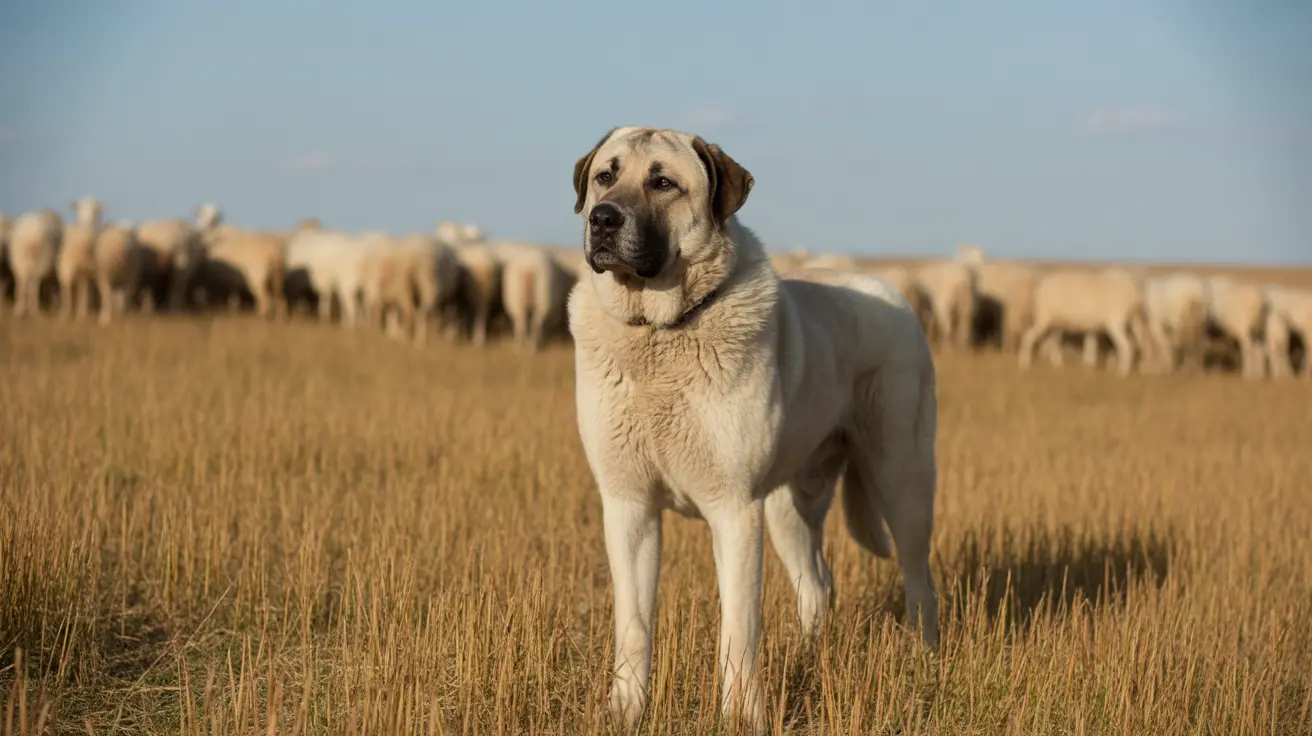
In recent years, the Kangal has gained popularity outside of Turkey, particularly among farmers, ranchers, and dog enthusiasts who admire its protective nature and noble demeanor. However, owning a Kangal is not for everyone. This breed requires space, structure, and respect for its independent spirit. To truly appreciate the Kangal, one must understand its history, physical traits, temperament, and the responsibilities that come with caring for such a powerful guardian. The following sections explore these aspects in depth, offering a complete guide to the Turkish Kangal’s world.
Origins and Historical Significance
The roots of the Turkish Kangal stretch deep into Anatolian history. For hundreds of years, nomadic shepherds in the Sivas region relied on these dogs to safeguard their flocks from predators that roamed the rugged highlands. The Kangal’s lineage is believed to have remained relatively pure due to the isolation of the region and the careful breeding practices of local herders. Unlike many modern breeds that were developed for appearance, the Kangal was bred solely for performance—strength, endurance, and unwavering loyalty to its flock and master.
In Turkish culture, the Kangal is more than a working animal; it is a national treasure. The breed is often celebrated in folklore, art, and even local festivals. The Turkish government has taken steps to preserve the breed’s purity, recognizing its importance as part of the country’s cultural identity. Kangals are sometimes gifted as symbols of friendship between nations, representing courage and reliability. This deep cultural reverence underscores the Kangal’s unique status as both a protector of livestock and a guardian of tradition.
Today, the Kangal’s reputation extends far beyond Turkey’s borders. Livestock owners in the United States, Europe, and Africa have adopted the breed for predator control, finding that its natural instincts and calm authority make it exceptionally effective. Despite its growing global presence, the Kangal remains closely tied to its Turkish roots, and responsible breeders strive to maintain the breed’s original characteristics and working abilities.
Physical Characteristics and Strength
The Turkish Kangal is a large, muscular dog built for endurance and power. Males typically stand between 30 and 32 inches tall at the shoulder and can weigh up to 145 pounds, while females are slightly smaller but equally robust. The breed’s short, dense double coat provides insulation against both heat and cold, allowing it to thrive in the harsh climates of central Turkey. Its coat color ranges from light dun to steel gray, often accompanied by a distinctive black mask that gives the Kangal its signature noble expression.
One of the most remarkable features of the Kangal is its bite force, which has been measured among the strongest of any dog breed—powerful enough to deter large predators. Yet despite this physical might, the Kangal is known for its controlled and measured responses. It does not attack recklessly; instead, it assesses threats calmly and acts only when necessary. This balance of strength and restraint is what makes the Kangal such an effective guardian.
Beyond its physical power, the Kangal’s athleticism and stamina are equally impressive. These dogs can travel long distances alongside flocks, maintaining vigilance for hours without fatigue. Their deep chest and strong legs contribute to their endurance, while their thick tail, often carried in a gentle curl, adds to their distinctive silhouette. Every aspect of the Kangal’s build reflects its purpose: to protect, to endure, and to command respect through quiet confidence.
Temperament and Behavior
Despite its formidable appearance, the Turkish Kangal is known for its calm and gentle temperament, especially toward those it considers part of its family or flock. It is deeply loyal and forms strong bonds with its human companions, often displaying a quiet affection that contrasts with its intimidating size. However, this breed’s protective instincts run deep, and it is naturally wary of strangers or unfamiliar animals. Proper socialization from an early age is essential to ensure that the Kangal learns to distinguish between genuine threats and harmless visitors.
Kangals are intelligent and independent thinkers, traits that served them well in their traditional role as unsupervised guardians. They are capable of making decisions on their own, assessing situations, and acting without direct commands. While this independence is admirable, it can also pose challenges for inexperienced owners who expect unquestioning obedience. The Kangal responds best to calm, confident leadership and consistent boundaries rather than harsh discipline or repetitive training methods.
Because of their strong protective instincts, Kangals are not typically suited for apartment living or environments with constant social activity. They thrive in open spaces where they can patrol and observe their surroundings. When properly trained and given meaningful work, they are steady, reliable, and affectionate companions. Their behavior reflects a rare combination of power, patience, and intelligence—a blend that has made them legendary among livestock guardian breeds.
Caring for a Turkish Kangal
Owning a Turkish Kangal requires commitment and understanding. This breed’s needs go beyond basic care; it demands an environment that respects its instincts and physical requirements. Kangals need ample space to move freely, ideally in a securely fenced rural or suburban property. They are not suited to confined spaces or city apartments, as lack of activity can lead to frustration and behavioral issues. Regular exercise, such as long walks or supervised outdoor time, helps maintain their physical health and mental balance.
Grooming a Kangal is relatively simple due to its short coat, but seasonal shedding can be significant. Weekly brushing helps remove loose hair and keeps the coat healthy. Bathing should be infrequent, as excessive washing can strip the coat of natural oils. Like all large breeds, Kangals benefit from a balanced diet rich in protein and nutrients to support their muscle mass and joint health. Routine veterinary care, including vaccinations and parasite prevention, is essential to ensure longevity and vitality.
Training a Kangal requires patience and respect for its intelligence. Positive reinforcement techniques—rewarding good behavior rather than punishing mistakes—work best. Early socialization with people, animals, and different environments helps the dog develop confidence and adaptability. Owners should also provide mental stimulation through problem-solving tasks or guarding activities that engage the Kangal’s natural instincts. When its physical and emotional needs are met, the Kangal becomes a devoted and trustworthy companion.
Modern Roles and Global Recognition
While the Turkish Kangal remains a working guardian in its homeland, its role has expanded in modern times. In rural areas across the world, Kangals are used to protect livestock from predators, reducing the need for lethal control methods and promoting coexistence between farmers and wildlife. Their effectiveness has been documented in conservation programs in Africa, where they help protect livestock from cheetahs and other predators, thereby reducing human-wildlife conflict.
Beyond their working duties, Kangals are increasingly recognized as loyal family protectors. In homes with sufficient space and experienced owners, they can be gentle companions who watch over children and property with quiet vigilance. However, their protective instincts mean they must always be managed responsibly, especially around unfamiliar people or animals. Responsible breeding and ownership are crucial to preserving the breed’s integrity and ensuring that Kangals continue to embody the balance of strength and serenity that defines them.
International kennel clubs and breed organizations have begun to acknowledge the Kangal’s unique heritage. In 2018, the American Kennel Club officially recognized the Turkish Kangal as a distinct breed, separate from other Anatolian shepherd types. This recognition has helped promote awareness of the breed’s history and encouraged ethical breeding practices that maintain its traditional characteristics. As global interest grows, the Kangal stands as a living testament to the enduring bond between humans and their animal protectors.
The Spirit of the Guardian
The Turkish Kangal embodies centuries of partnership between humans and dogs. Its courage, intelligence, and loyalty have made it an indispensable ally to shepherds and a symbol of protection across cultures. Yet the Kangal’s greatness lies not only in its strength but in its calm confidence and deep sense of duty. For those who can meet its needs and respect its instincts, the Kangal offers unwavering devotion and a presence that commands both admiration and trust. In a world that often values appearance over purpose, the Kangal reminds us of the enduring power of function, heritage, and heart.
FAQ
What is the origin of the Turkish Kangal?
The Turkish Kangal originated in the Sivas province of central Turkey, where it was bred by shepherds to protect livestock from predators. Its lineage has remained relatively pure due to geographic isolation and selective breeding focused on working ability rather than appearance. The breed’s history spans centuries, and it is deeply intertwined with Turkish culture and rural life. Today, the Kangal is recognized as a national treasure and continues to serve as a guardian of both flocks and heritage.
How large does a Turkish Kangal grow?
Adult male Kangals typically stand between 30 and 32 inches tall and weigh between 110 and 145 pounds. Females are slightly smaller, averaging 28 to 30 inches in height and 90 to 120 pounds in weight. Despite their size, Kangals are agile and capable of covering long distances with ease. Their muscular build and balanced proportions reflect their purpose as endurance-based working dogs rather than show animals.
Are Turkish Kangals aggressive?
Kangals are not inherently aggressive but are highly protective. Their behavior depends largely on training, socialization, and environment. When properly raised, they are calm, gentle, and affectionate with family members, including children. However, they are naturally wary of strangers and may act defensively if they perceive a threat. Responsible ownership, early socialization, and consistent leadership are key to ensuring a well-balanced temperament.
What kind of environment is best for a Kangal?
The ideal environment for a Kangal is a spacious, securely fenced property where the dog can move freely and observe its surroundings. They thrive in rural or suburban settings with room to patrol and exercise. Apartment living or confined spaces can lead to frustration and behavioral issues. Kangals are happiest when they have a job to do, whether guarding livestock or protecting a household, as this fulfills their natural instincts and keeps them mentally engaged.
How should a Turkish Kangal be trained?
Training a Kangal requires patience, consistency, and respect for its intelligence. These dogs respond best to positive reinforcement methods that reward good behavior. Harsh or repetitive training can lead to resistance or withdrawal. Early socialization is essential to help the dog develop confidence and adaptability. Because Kangals are independent thinkers, they need a confident owner who can provide clear boundaries and steady guidance rather than dominance or force.
What health issues affect the Turkish Kangal?
The Turkish Kangal is generally a healthy breed with a lifespan of 12 to 15 years. However, like many large breeds, it can be prone to hip dysplasia, joint issues, and certain genetic conditions. Maintaining a healthy weight, providing regular exercise, and scheduling routine veterinary checkups are essential for long-term well-being. Responsible breeders screen for hereditary conditions to ensure healthier puppies and preserve the breed’s strong genetic foundation.
Is the Turkish Kangal suitable for families?
With proper training and socialization, the Kangal can be a devoted and gentle family companion. It is particularly protective of children and tends to form strong bonds with its household. However, due to its size and guarding instincts, supervision is important when the dog interacts with young children or unfamiliar guests. Families considering a Kangal should be prepared to provide structure, space, and consistent leadership to ensure harmony within the home.
How much exercise does a Kangal need?
Kangals require regular physical activity to stay healthy and content. Daily walks, open-space play, and opportunities to patrol their environment are ideal. They are not hyperactive dogs but need consistent movement to prevent boredom and maintain muscle tone. Mental stimulation, such as problem-solving tasks or guarding duties, also helps satisfy their working instincts. A well-exercised Kangal is calm, balanced, and less likely to develop destructive behaviors.
What makes the Turkish Kangal different from other guardian breeds?
The Kangal stands out for its combination of immense strength, calm temperament, and disciplined protective instincts. Unlike some guardian breeds that may act impulsively, the Kangal assesses situations carefully before responding. Its loyalty to family and flock is unmatched, and its ability to deter predators without unnecessary aggression makes it a model of controlled power. This balance of intelligence, restraint, and courage defines the Kangal’s unique character among working dogs.
Is the Turkish Kangal recognized internationally?
Yes, the Turkish Kangal has gained international recognition in recent years. The American Kennel Club officially recognized the breed in 2018, distinguishing it from other Anatolian shepherd types. Breed organizations in Europe and Turkey also maintain registries to preserve its purity and working traits. As awareness grows, the Kangal continues to earn respect worldwide as both a cultural icon and an exceptional guardian breed.




