
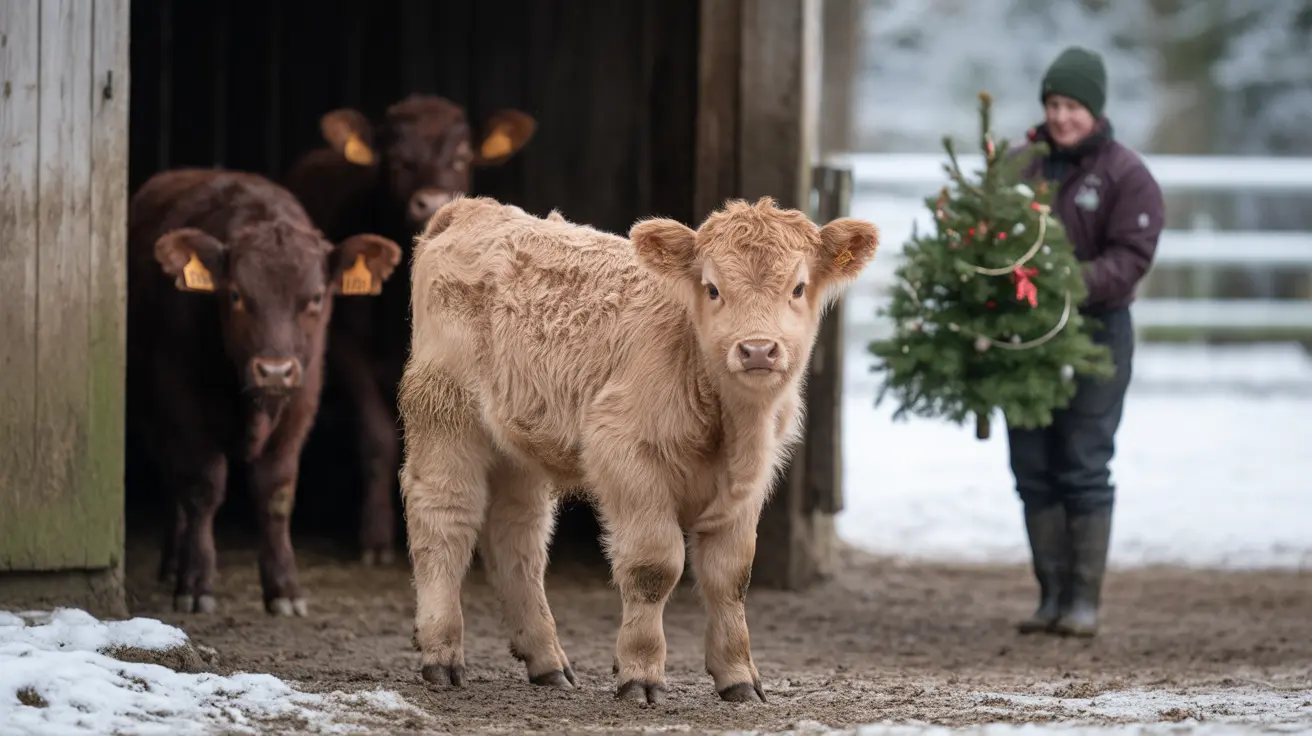
Animals at the Utica Zoo are experiencing a delightful post-holiday celebration this weekend, thanks to an innovative animal enrichment program that repurposes Christmas trees from local partners. This sustainable initiative transforms discarded holiday decorations into engaging activities that promote natural behaviors and enhance the wellbeing of various zoo species.
The program represents a perfect example of how modern zoos combine environmental stewardship with animal welfare. By partnering with Candella's Farm and Greenhouses in Marcy, the Utica Zoo ensures that Christmas trees get a second life while providing valuable enrichment opportunities for their animal residents.
What Is Animal Enrichment and Why It Matters
Animal enrichment is a cornerstone of modern zoo management, designed to stimulate natural behaviors and improve both physical and mental health of captive animals. These programs encourage species-appropriate activities like foraging, climbing, and problem-solving, which are essential for maintaining psychological wellbeing in zoo environments.
Christmas tree enrichment activities offer multiple benefits to zoo animals. The trees provide new scents, textures, and climbing opportunities that engage different senses and encourage exploration. For many species, the act of shredding bark, investigating new objects, and navigating through branches mirrors behaviors they would perform in the wild.
How Zoos Use Christmas Trees Safely
The Utica Zoo's approach to Christmas tree repurposing demonstrates the careful planning required for safe animal enrichment programs. Rather than accepting direct donations from the public, the zoo partners with vetted suppliers to ensure all trees are free from pesticides, chemicals, or other contaminants that could harm animals.
This partnership with local farms and greenhouses guarantees that each tree meets strict safety standards before being introduced to animal habitats. The controlled sourcing process eliminates potential risks while maintaining a steady supply of enrichment materials throughout the post-holiday season.
Species-Appropriate Animal Behavior Benefits
Different animals at the Utica Zoo benefit from Christmas tree enrichment in unique ways. Red pandas, for instance, are natural climbers who use the branches to practice their arboreal skills while investigating new scents. Big cats may use the trees for scent marking and as scratching posts, behaviors that are crucial for their territorial instincts.
Primates often engage in complex manipulation behaviors with the trees, using them as tools for play and exploration. African painted dogs and other social species may use the trees as focal points for group activities, while zebras and other herbivores might investigate the unusual vegetation in their environment.
Sustainable Zoo Practices and Environmental Impact
The environmental benefits of this program extend far beyond the zoo grounds. With over 30 million real Christmas trees discarded annually across the United States, repurposing initiatives like this help reduce landfill waste and prevent methane emissions that would otherwise occur during decomposition.
This sustainable approach creates a win-win scenario: communities have an eco-friendly disposal option for their holiday trees, while zoos receive cost-effective enrichment materials. The program demonstrates how conservation-minded institutions can create positive environmental impact while enhancing animal welfare.
Zoo Community Programs and Visitor Engagement
Family-friendly zoo events like the Christmas tree enrichment program serve an important educational function, helping visitors understand the complex needs of captive animals. These visible enrichment activities provide excellent opportunities for zoos to discuss animal behavior, conservation efforts, and the importance of environmental stewardship.
Such programs also strengthen community connections by involving local businesses and demonstrating practical applications of sustainability principles. Visitors can observe firsthand how creative problem-solving benefits both animals and the environment.
Frequently Asked Questions
- What is animal enrichment and why do zoos provide it to their animals?
Animal enrichment promotes species-appropriate behavior while giving animals choice over their environment, encouraging natural activities like foraging, climbing, and problem-solving that improve mental and physical well-being.
- How do zoos safely repurpose Christmas trees for animal enrichment?
Zoos source Christmas trees from vetted partners like farms and greenhouses to ensure they're free of pesticides and contaminants, rather than accepting direct donations from the public that could pose health risks.
- Can I donate my Christmas tree to the Utica Zoo after the holidays?
Direct public donations of personal Christmas trees are not accepted; instead, the Utica Zoo partners with vetted suppliers like Candella's Farm and Greenhouses to source safe, pesticide-free trees for animal use.
- What animals benefit most from Christmas tree enrichment at the zoo?
Animals like red pandas, primates, big cats, African painted dogs, and zebras benefit from tree-based enrichment that provides climbing surfaces, scent stimulation, and opportunities for natural foraging and shredding behaviors.
- How does repurposing Christmas trees help the environment and reduce waste?
Over 30 million real Christmas trees are discarded annually in the U.S., often sent to landfills; zoos divert these trees to prevent methane emissions while simultaneously enriching animals, creating a sustainable dual benefit.
Conclusion
The Utica Zoo's Christmas tree enrichment program exemplifies how modern zoological institutions balance animal welfare with environmental responsibility. By transforming post-holiday waste into valuable enrichment opportunities, the zoo creates positive outcomes for animals, visitors, and the broader community.
This innovative approach to zoo enrichment programs demonstrates that creative solutions can address multiple challenges simultaneously. As more institutions adopt similar sustainable practices, we can expect to see continued evolution in how zoos contribute to both animal welfare and environmental conservation efforts.




