
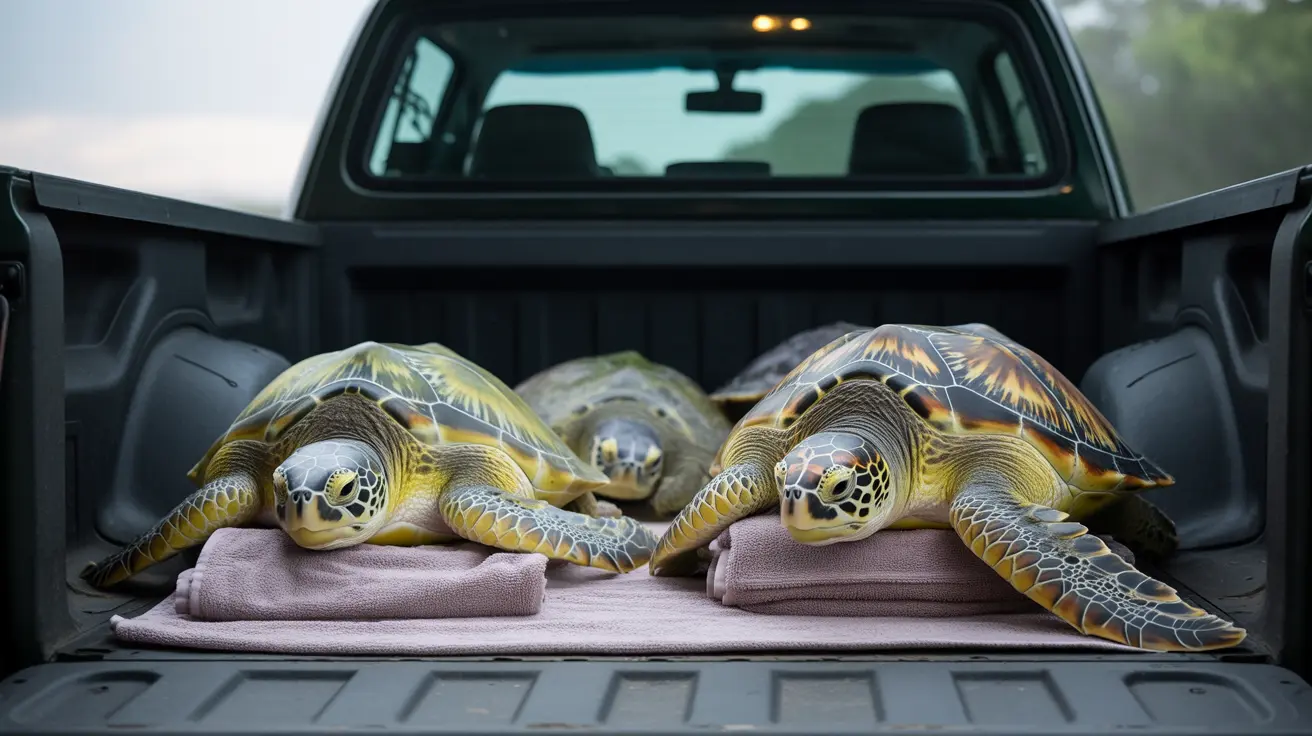
Volusia County volunteers are raising urgent concerns about a significant increase in stranded sea turtles washing ashore along local beaches. The dramatic spike in sea turtle strandings has prompted marine rescue organizations to call for immediate public assistance in identifying and reporting these vulnerable animals before it's too late.
The surge in stranded sea turtles Florida has overwhelmed local rescue teams, who are working around the clock to save as many marine animals as possible. This concerning trend highlights the ongoing environmental challenges facing sea turtle populations and underscores the critical role that beachgoers and residents can play in conservation efforts.
Understanding Cold-Stunning Sea Turtles and Current Threats
Cold-stunning represents one of the most serious threats to sea turtle populations during winter months. When water temperatures drop rapidly, sea turtles become lethargic and unable to swim or feed properly, often washing ashore in a weakened state. This phenomenon particularly affects loggerhead turtle strandings and green sea turtle cold stun events throughout Florida's coastal waters.
The Marine Science Center turtles rehabilitation program has documented that cold-stunned animals require immediate intervention to survive. These creatures enter a hypothermic state where their bodily functions slow dramatically, making them easy targets for predators and preventing them from reaching warmer waters independently.
How to Report Stranded Turtle Sightings Safely
If you encounter a stranded turtle on Volusia beach turtle strandings locations, immediate action can save lives. The Florida Fish and Wildlife Conservation Commission (FWC) operates a dedicated hotline for reporting marine animal emergencies. The FWC turtle hotline provides 24/7 assistance and coordinates with local rescue organizations.
When reporting a sighting, maintain a safe distance from the animal and never attempt to move or feed it. Document the location using GPS coordinates if possible, and note the turtle's size, condition, and any visible injuries. The turtle safe app also provides a convenient way to report strandings while ensuring proper protocols are followed.
Essential Safety Guidelines for Beachgoers
- Never touch or disturb a stranded turtle, as stress can worsen their condition.
- Keep pets and crowds away from the animal, and avoid using flash photography.
- If the turtle appears to be nesting rather than stranded, observe from a distance and contact authorities for guidance.
- These simple precautions help protect both the animals and well-meaning rescuers.
Sea Turtle Cold Stunning Causes and Environmental Factors
Multiple factors contribute to increased sea turtle strandings beyond cold weather alone. Pollution, boat strikes, fishing line entanglement, and habitat loss all play significant roles in turtle health and survival. Climate change has also altered traditional migration patterns, sometimes leaving turtles in areas where they become vulnerable to sudden temperature changes.
Research indicates that certain areas along Florida's coast create natural "cold pockets" where turtles become trapped during temperature drops. Understanding these environmental patterns helps rescue teams anticipate high-risk periods and prepare accordingly.
Supporting Florida Sea Turtle Rescue Efforts
The public can help rescue sea turtles through various volunteer opportunities and conservation initiatives. Many organizations offer training programs for beach monitoring, nest protection, and educational outreach. Financial donations support rehabilitation facilities, medical equipment, and emergency response capabilities.
Simple actions like reducing plastic waste, choosing turtle-friendly lighting, and supporting sustainable fishing practices contribute to long-term conservation goals. Every effort counts toward protecting these ancient mariners for future generations.
Sea Turtle Rehabilitation Florida Programs Making a Difference
Professional rehabilitation centers provide specialized care for injured and cold-stunned turtles. Treatment typically includes gradual rewarming, medical assessment, nutritional support, and extended monitoring before release. Success rates have improved significantly thanks to advances in veterinary care and dedicated volunteer support.
These facilities also conduct valuable research that helps scientists better understand turtle behavior, migration patterns, and threats to population stability. The data collected during rehabilitation contributes to conservation strategies and policy development.
Frequently Asked Questions
What is cold-stunning in sea turtles and why is it happening in Volusia County?
Cold-stunning occurs when sea turtles become hypothermic due to rapid water temperature drops, causing them to become lethargic and wash ashore. Volusia County's coastal geography and current patterns can create conditions where turtles become trapped in suddenly cold water, making them unable to reach warmer areas independently.
How do I report a stranded sea turtle in Florida safely?
Contact the FWC turtle hotline immediately at their 24-hour emergency number. Use the turtle safe app for convenient reporting while maintaining a safe distance from the animal. Never attempt to move or feed the turtle, and keep pets and crowds away while waiting for rescue teams to arrive.
What causes sea turtle strandings besides cold weather?
Boat strikes, fishing line entanglement, pollution, habitat loss, and disorientation from artificial lighting all contribute to turtle strandings. These human-related factors often compound natural stressors, making turtles more vulnerable to environmental challenges and reducing their survival chances in the wild.
The current surge in sea turtle strandings serves as a powerful reminder of our shared responsibility to protect marine wildlife. By staying vigilant, reporting sightings promptly, and supporting conservation efforts, every beachgoer becomes part of the solution in preserving these magnificent creatures for generations to come.




