
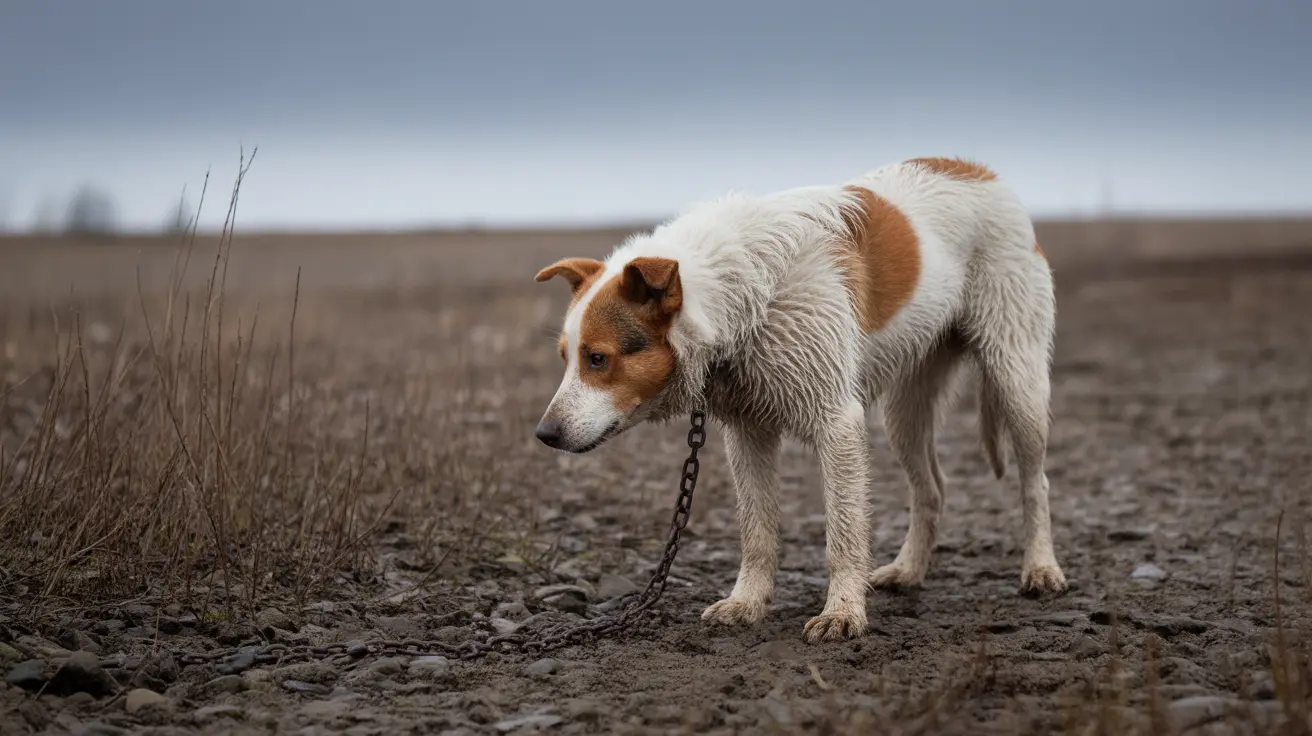
As frigid temperatures sweep across the nation, PETA has released urgent winter pet safety guidelines to help pet owners protect their animals during the dangerous cold blast. With temperatures continuing to drop through the weekend and into next week, animal welfare experts are emphasizing that pets are especially vulnerable to life-threatening conditions including hypothermia and frostbite.
The extreme weather poses serious risks to all animals, but certain pets face heightened dangers. Understanding proper cold weather dog care protocols and implementing emergency preparedness measures can mean the difference between life and death for beloved companions during these harsh conditions.
How to Protect Dogs in Winter: Essential Safety Measures
Pet owners must take immediate action to safeguard their animals from the dangerous cold. The most critical step involves bringing pets indoors whenever possible, as outdoor temperatures can quickly become lethal for animals not equipped to handle extreme weather conditions.
For pets that typically spend time outdoors, indoor housing for dogs becomes non-negotiable during severe weather events. Even animals accustomed to cooler temperatures can suffer from exposure when faced with prolonged freezing conditions, high winds, or precipitation that increases heat loss.
Winter Pet Supplies and Emergency Preparedness
Proper pet emergency preparedness requires stocking essential winter supplies before dangerous weather arrives. Pet owners should ensure they have adequate food, water, medications, and warming materials readily available. Dog winter coats provide additional protection for short-haired dog breeds winter exposure, though they should never replace proper shelter and indoor housing during extreme conditions.
Water bowls require special attention during freezing weather, as pet water freezing prevention becomes crucial for maintaining hydration. Check water sources frequently and replace frozen containers with fresh, unfrozen water throughout the day.
Recognizing Hypothermia in Pets and Frostbite Warning Signs
Pet owners must learn to identify the early warning signs of cold-related injuries. Hypothermia in pets develops when body temperature drops below normal levels, causing lethargy, weakness, and potentially life-threatening complications. Symptoms include shivering, shallow breathing, muscle stiffness, and decreased heart rate.
Frostbite in animals typically affects extremities such as ears, tail, paws, and nose. Warning signs include pale or gray skin, areas that feel cold to the touch, skin that remains cold after warming, blisters or skin ulcers, and areas of blackened or dead skin.
Senior Dog Cold Weather Care Considerations
Older animals require extra attention during winter weather events. Senior dog cold weather care involves shorter outdoor periods, additional warming measures, and closer monitoring for signs of distress. Arthritis and other age-related conditions can worsen in cold weather, making indoor comfort even more important for elderly pets.
Outdoor Dog Shelter Requirements and Legal Protections
While indoor housing remains the safest option, pet owners who must provide outdoor shelter should understand proper requirements. Adequate shelter must protect animals from wind, precipitation, and ground cold while allowing natural body heat retention. However, during extreme weather events, even the best outdoor accommodations may prove insufficient.
Animal cruelty laws cold weather provisions exist in many jurisdictions to protect pets from neglect during dangerous conditions. Chained dogs winter situations present particular legal and ethical concerns, as tethered animals cannot seek appropriate shelter or generate warmth through movement.
Frequently Asked Questions
How can I keep my dog safe and warm during extreme cold weather?
Bring your dog indoors immediately during extreme cold weather. If indoor housing isn't possible, provide windproof, insulated shelter raised off the ground with warm bedding. Limit outdoor time to essential bathroom breaks, use dog winter coats for additional protection, and monitor closely for signs of distress.
What are the signs that my pet has frostbite or hypothermia from winter exposure?
Hypothermia symptoms include excessive shivering, lethargy, muscle stiffness, shallow breathing, and weakness. Frostbite signs include pale or gray skin on extremities, cold areas that remain cold after warming, and potential blisters or skin discoloration. Seek immediate veterinary care if you notice these symptoms.
Should I keep my dog indoors during winter, or is outdoor shelter enough?
During extreme cold weather events, indoor housing is the safest option for all dogs, regardless of breed or coat type. Even well-constructed outdoor shelters may prove inadequate during dangerous temperature drops, high winds, or prolonged exposure conditions.
What supplies do I need to prepare for winter emergencies with my pets?
Essential winter pet emergency supplies include extra food and treats, unfrozen water sources, warm bedding, appropriate winter clothing for short-haired breeds, first aid supplies, medications, flashlights, and backup heating sources. Prepare supplies before severe weather arrives.
Is it illegal to leave my dog chained outside in freezing temperatures?
Many jurisdictions have animal cruelty laws that prohibit leaving dogs chained or tethered outside during extreme weather conditions. These laws vary by location, but generally prioritize animal welfare during dangerous temperature conditions. Check local regulations and prioritize your pet's safety regardless of legal requirements.
Protecting Our Four-Legged Family Members
Winter weather safety requires proactive planning and immediate action when dangerous conditions develop. By following these winter pet safety guidelines and prioritizing indoor housing during extreme weather, pet owners can protect their beloved companions from potentially life-threatening cold exposure. Remember that pets depend entirely on their human families for protection – taking these precautions seriously demonstrates responsible pet ownership and genuine care for animal welfare.




