
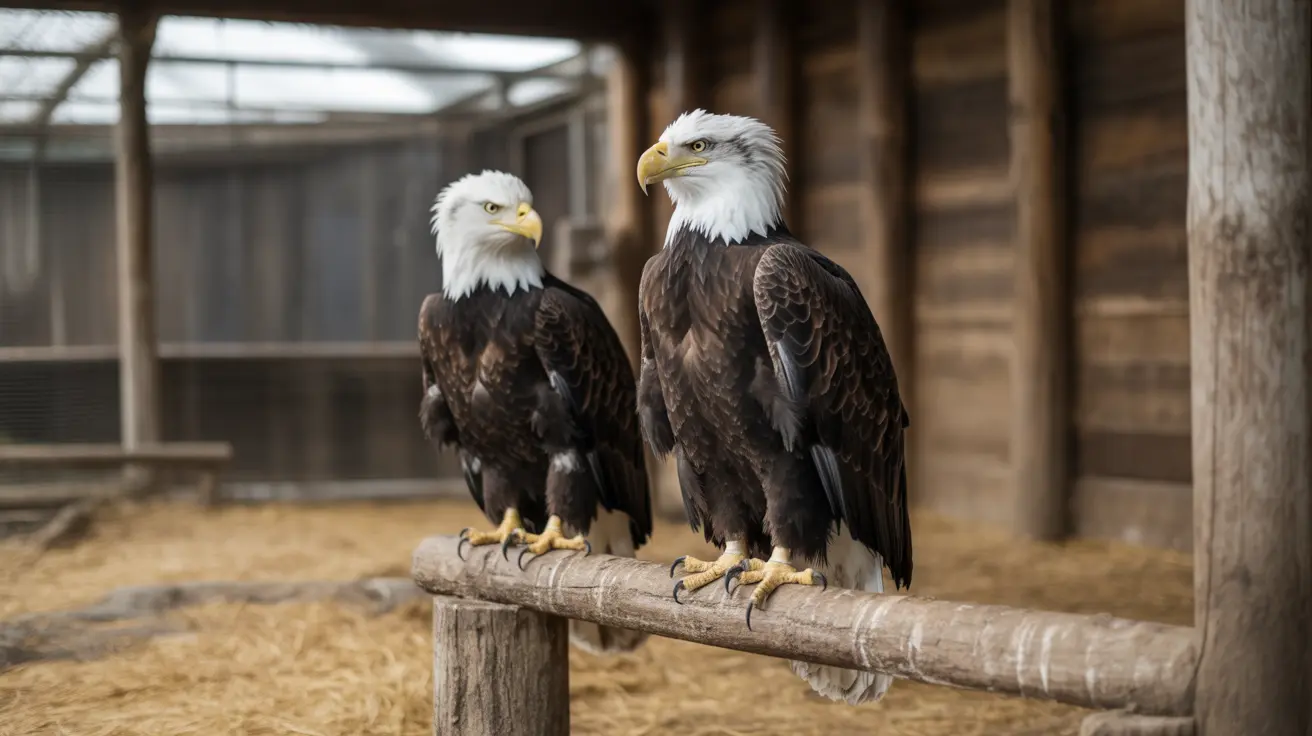
The Zoo in Forest Park & Education Center in Springfield, Massachusetts, is reaching out to the local community for donations to help maintain its vital role as a sanctuary for exotic animals and wildlife education hub. This beloved western Massachusetts attraction houses an impressive collection of animals including exotic birds, camels, bison, and alligators, providing residents of the greater Springfield area with unique opportunities to encounter wildlife they might never see elsewhere.
As a sanctuary that cares for non-releasable wildlife alongside exotic species, the zoo faces ongoing challenges in providing proper veterinary care, nutrition, and habitat maintenance for its diverse animal residents. The donation drive highlights the important balance between keeping admission affordable for families while ensuring animals receive the highest standard of care.
Affordable Zoo Near Me: Making Wildlife Education Accessible
The Zoo in Forest Park has long served as one of the most accessible family-friendly attractions western Massachusetts has to offer. Unlike major metropolitan zoos with premium pricing, this local facility strives to keep Forest Park Zoo admission prices reasonable, making wildlife education available to families across economic backgrounds.
The zoo's commitment to affordability, however, means that admission fees alone cannot cover the rising costs of animal care, facility maintenance, and educational program development. This is where community support becomes crucial for sustaining operations and expanding educational opportunities.
Exotic Animals Springfield Massachusetts: A Diverse Wildlife Collection
Visitors to the Zoo in Forest Park can encounter an remarkable array of species that showcase global biodiversity. The facility houses exotic birds from various continents, massive bison that represent North America's wildlife heritage, and fascinating reptiles including alligators that offer insights into prehistoric evolution.
The presence of camels adds an educational component about desert adaptations and international wildlife conservation. Each animal serves as an ambassador for its species, helping visitors understand the importance of wildlife protection and habitat conservation efforts worldwide.
Non-Releasable Wildlife Sanctuary Role
Beyond its role as a public attraction, the zoo serves as a critical sanctuary for animals that cannot be returned to the wild. Many residents arrive at the facility after injuries, illegal captivity situations, or other circumstances that prevent their release. This sanctuary function requires specialized veterinary care, custom habitat design, and long-term commitment to each animal's wellbeing.
Animal Education Programs Springfield: Learning Opportunities for All Ages
The Zoo in Forest Park goes beyond simple animal viewing, offering comprehensive animal education programs Springfield families can participate in throughout the year. These programs help children and adults develop deeper understanding of wildlife biology, conservation challenges, and the interconnected nature of ecosystems.
Educational initiatives include hands-on learning experiences, guided tours that highlight animal behaviors and adaptations, and seasonal programs that connect wildlife observations to broader environmental themes. The zoo's educational mission extends to providing zoo field trips schools can incorporate into science curricula.
Zoo Summer Camps Kids: Immersive Learning Experiences
During warmer months, the facility typically offers zoo summer camps kids can attend to gain deeper wildlife knowledge through immersive experiences. These programs often include behind-the-scenes tours, animal care demonstrations, and conservation-focused activities that inspire young wildlife advocates.
Supporting Local Conservation Efforts
Zoo donation programs enable the facility to expand its conservation impact beyond Springfield. Community contributions help fund habitat improvements, veterinary equipment purchases, and educational resource development that benefits both animals and visitors.
Supporting local zoos like Forest Park creates ripple effects in regional conservation efforts. Well-funded facilities can participate in species preservation programs, wildlife rehabilitation efforts, and educational outreach that extends conservation awareness throughout western Massachusetts communities.
Frequently Asked Questions
- What animals can I see at the Zoo in Forest Park in Springfield, Massachusetts?
The zoo houses exotic birds, camels, bison, alligators, and various other species that serve as wildlife ambassadors. The collection focuses on animals that can help visitors learn about different ecosystems and conservation challenges while providing sanctuary for non-releasable wildlife.
- How much does it cost to visit the Zoo in Forest Park, and what are the current operating hours?
The zoo maintains affordable admission pricing to ensure accessibility for all families. For current Forest Park Zoo admission prices and zoo hours Forest Park operates, visitors should check the facility's official website or contact them directly, as pricing and schedules may vary seasonally.
- Why does the Zoo in Forest Park need donations if it charges admission fees?
While admission fees help cover basic operations, they cannot fully support the specialized care exotic animals require, including veterinary treatments, nutritious diets, habitat maintenance, and educational program development. Community donations bridge this gap, ensuring animals receive optimal care while keeping admission affordable for families.
Conclusion
The Zoo in Forest Park's call for community support reflects the ongoing challenge of balancing accessible wildlife education with comprehensive animal care. By contributing to this local treasure, Springfield area residents can ensure future generations will continue having opportunities to connect with wildlife and develop conservation awareness.
Whether through direct donations, visiting with family, or participating in educational programs, community members can play vital roles in sustaining this important regional resource that serves both animals in need and curious minds eager to learn about the natural world.




